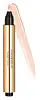
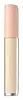
Yves Saint Laurent Touche Éclat All-Over Brightening Pen Versus Rare Beauty Positive Light Under Eye Brightener


What's inside
What's inside
 Key Ingredients
Benefits
Concerns
Ingredients Side-by-side
Water
Skin ConditioningCyclopentasiloxane
Emollient
Talc
Abrasive
Glycerin
Humectant


Paraffinum Liquidum
Emollient


Dimethicone
Emollient
Propanediol
Solvent
Pentylene Glycol
Skin Conditioning
Lauryl PEG-9 Polydimethylsiloxyethyl Dimethicone
Skin Conditioning
Silica
Abrasive

Dimethicone/PEG-10/15 Crosspolymer
Sodium Chloride
MaskingCaprylyl Glycol
Emollient
Lauryl PEG/PPG-18/18 Methicone
Skin Conditioning
Propylene Glycol
Humectant

Triethoxycaprylylsilane
Tocopheryl Acetate
Antioxidant


Disteardimonium Hectorite
StabilisingTetrasodium EDTA
ChelatingIsostearyl Alcohol
Emollient
Alumina
Abrasive
Lauroyl Lysine
Skin Conditioning
Propylene Carbonate
SolventTitanium Dioxide
Cosmetic Colorant

Silica Silylate
Emollient
Dipropylene Glycol
HumectantPhenoxyethanol
Preservative
Biosaccharide Gum-1
Humectant
Calendula Officinalis Flower Extract
Masking


Ruscus Aculeatus Root Extract
Astringent
Sodium Citrate
BufferingTocopherol
Antioxidant

Water, Cyclopentasiloxane, Talc, Glycerin, Paraffinum Liquidum, Dimethicone, Propanediol, Pentylene Glycol, Lauryl PEG-9 Polydimethylsiloxyethyl Dimethicone, Silica, Dimethicone/PEG-10/15 Crosspolymer, Sodium Chloride, Caprylyl Glycol, Lauryl PEG/PPG-18/18 Methicone, Propylene Glycol, Triethoxycaprylylsilane, Tocopheryl Acetate, Disteardimonium Hectorite, Tetrasodium EDTA, Isostearyl Alcohol, Alumina, Lauroyl Lysine, Propylene Carbonate, Titanium Dioxide, Silica Silylate, Dipropylene Glycol, Phenoxyethanol, Biosaccharide Gum-1, Calendula Officinalis Flower Extract, Ruscus Aculeatus Root Extract, Sodium Citrate, Tocopherol
Water
Skin ConditioningDipropylheptyl Carbonate
EmollientHydrogenated Didecene
Skin ConditioningGlycerin
Humectant
Phenyl Trimethicone
Skin Conditioning
Cetyl PEG/PPG-10/1 Dimethicone
Emulsifying
Pvp
Emulsion StabilisingLauryl PEG-9 Polydimethylsiloxyethyl Dimethicone
Skin Conditioning
Butylene Glycol
Humectant
Sodium Chloride
MaskingGlyceryl Behenate
Emollient
Silica
Abrasive
Disteardimonium Hectorite
StabilisingHydroxyacetophenone
Antioxidant
Helianthus Annuus Seed Oil
Emollient
Methicone
Emollient
1,2-Hexanediol
Skin Conditioning
Caprylyl Glycol
Emollient
Tocopheryl Acetate
Antioxidant
Dimethicone/Vinyl Dimethicone Crosspolymer
Skin Conditioning
Trisodium Ethylenediamine Disuccinate
ChelatingPaeonia Lactiflora Root Extract
Skin ConditioningTocopherol
Antioxidant
Talc
Abrasive
Gardenia Florida Fruit Extract
Skin ConditioningNelumbo Nucifera Flower Extract
Skin ConditioningNymphaea Odorata Root Extract
RefreshingVitex Agnus Castus Extract
AstringentIron Oxides
CI 77163
Cosmetic Colorant
CI 77891
Cosmetic ColorantWater, Dipropylheptyl Carbonate, Hydrogenated Didecene, Glycerin, Phenyl Trimethicone, Cetyl PEG/PPG-10/1 Dimethicone, Pvp, Lauryl PEG-9 Polydimethylsiloxyethyl Dimethicone, Butylene Glycol, Sodium Chloride, Glyceryl Behenate, Silica, Disteardimonium Hectorite, Hydroxyacetophenone, Helianthus Annuus Seed Oil, Methicone, 1,2-Hexanediol, Caprylyl Glycol, Tocopheryl Acetate, Dimethicone/Vinyl Dimethicone Crosspolymer, Trisodium Ethylenediamine Disuccinate, Paeonia Lactiflora Root Extract, Tocopherol, Talc, Gardenia Florida Fruit Extract, Nelumbo Nucifera Flower Extract, Nymphaea Odorata Root Extract, Vitex Agnus Castus Extract, Iron Oxides, CI 77163, CI 77891
Reviews
Ingredients Explained
These ingredients are found in both products.
Ingredients higher up in an ingredient list are typically present in a larger amount.
Caprylyl Glycol is a humectant, skin conditioner, emollient, and preservative booster derived from either caprylic acid or synthetically created.
Typical use levels vary from 0.3-1% as a preservative booster and go up to 2% to condition skin.
Because it is not a free-fatty acid, this ingredient is fungal acne safe (there's nothing for Malassezia to feed on).
Learn more about Caprylyl GlycolDisteardimonium Hectorite comes from the clay mineral named hectorite. It is used to add thickness to a product.
It can also help stabilize a product by helping to disperse other ingredients.
Hectorite is a rare, white clay mineral.
Learn more about Disteardimonium HectoriteGlycerin (or glycerol) is a compound naturally found in your skin. It's a powerhouse humectant that pulls water into the stratum corneum.
Topically, glycerin does several things at once:
Your skin makes glycerin on its own (mostly from sebaceous oil breakdown) and shuttles it to your outermost layer of skin, or your epidermis, via aquaporin-3.
Aquaporin-3 is a transporter that is essential for normal skin hydration, elasticity, and repair. Interestingly, mice lacking in AQP3 have dry and less elastic skin that can be fully corrected with glycerin.
This ingredient is non-irritating, plays well with almost every ingredient, and works across all skin types. Typical use is anywhere between 3-10% but can go up to 79% in some leave-on products.
Just know very high concentrations (>40%) can feel tacky in low humidity.
Glycerin is the name for this ingredient in American English. British English uses Glycerol/Glycerine.
Learn more about GlycerinThis is a silicone-polyether copolymer with skin conditioning, emulsifying, texture enhancing, and surfactant properties. It is used to help blend water and silicone based ingredients to improve slip and spreadability.
Due to its large molecular size and hydrophilic-lipophilic structure (it loves both oil and water), this ingredient is minimally absorbed into the skin.
Silica, also known as silicon dioxide, is a naturally occurring mineral. It is used as a fine, spherical, and porous powder in cosmetics.
Though it has exfoliant properties, the function of silica varies depending on the product.
The unique structure of silica enhances the spreadability and adds smoothness, making it a great texture enhancer.
It is also used as an active carrier, emulsifier, and mattifier due to its ability to absorb excess oil.
In some products, tiny microneedles called spicules are made from silica or hydrolyzed sponge. When you rub them in, they lightly polish away dead skin layers and enhance the penetration of active ingredients.
Learn more about SilicaChances are, you eat sodium chloride every day. Sodium Chloride is also known as table salt. This ingredient has many purposes in skincare: thickener, emulsifier, and exfoliator.
You'll most likely find this ingredient in cleansers where it is used to create a gel-like texture. As an emulsifier, it also prevents ingredients from separating.
You might see people debate whether Sodium Chloride is comedogenic, but there actually haven't been any comedogenic tests done on it. Either way, the overall formulation of a product matters a lot more than any single ingredient.
You might see this ingredient used in scrubs as a primary exfoliating ingredient.
Learn more about Sodium ChlorideTalc is a clay mineral. It helps absorb moisture and improve the texture of products. Like other types of clay, Talc can have a slight exfoliating effect on skin. Talc can be added to increase the volume of products.
Some Baby powders are made by combining talc with corn starch. The word "talc" comes from Latin and originates from Arabic. Talc is a mineral commonly found throughout the world.
If you have any concerns about using talc, we recommend checking out the FDA's official page.
Learn more about TalcTocopherol is a fat-soluble antioxidant known as Vitamin E.
You'll find this ingredient in the vast majority of skincare (for good reason). It works to neutralize free radicals, or unstable molecules generated by UV exposure, pollution, and other environmental stressors, before they can cause oxidative damage to your skin cells.
Topically applied tocopherol has been shown to protect against UV damage by ramping up the skin's own natural defense enzymes.
It also acts as a skin conditioning agent; some studies show that regular topical use can improve the skin's water-binding capacity over 2-4 weeks.
This ingredient is especially loved for being a team player. When combined with Vitamin C, the photoprotective effect of both ingredients roughly doubles and the combo also helps reduce UV-induced DNA damage.
This ingredient has some brightening potential but it's more of a prevention ingredient than spot-fader. Cell studies show it can slow down melanin production but it's worth noting that it's not the most powerful brightener out there.
In formulations, it also serves as a stabilizer that helps protect other oxidation-prone ingredients from degrading.
Concentrations usually range from 0.1-1% in most leave-on products.
Learn more about TocopherolTocopheryl Acetate is a stable, shelf-friendly form of vitamin E.
Formulators love it because plain vitamin E oxidizes quickly once it hits air. This acetate version stays stable and resists going off, helping to extend a product's shelf life.
It's actually inactive on its own and works like a slow-release "storage" form; the enzymes in your skin called esterases gradually convert it into active vitamin E over time.
One in vivo study showed 5% of the acetate in the living layer of the epidermis converted to vitamin E after 5 days of application. This study also found the skin gained protection against UV damage even though the conversion was slow and small.
Once converted, vitamin E acts as a skin's main fat-soluble antioxidant that fights free radicals to protect skin from damage.
Topical vitamin E generally boosts the skin's photoprotection, and it reduced UV-damage in animal models.
This ingredient has some brightening potential but it's more of a prevention ingredient than spot-fader. Cell studies show it can slow down melanin production but it's worth noting that it's not the most powerful brightener out there.
Overall, it has a pretty solid safety profile and has been found to be non-irritating and non-comedogenic. Allergic reactions may happen but stay rare due to how widely the ingredient gets used.
The concentration will vary depending on the formula; industry data shows 0.1% in baby lotions, 3% in lipsticks, and 5% in foot powders. You can also find this ingredient at 100% in a pure vitamin E oil.
Most leave-on skincare keeps it at the lower end, often between 0.5-1%.
Learn more about Tocopheryl AcetateWater. It's the most common cosmetic ingredient of all. You'll usually see it at the top of ingredient lists, meaning that it makes up the largest part of the product.
So why is it so popular? Water most often acts as a solvent - this means that it helps dissolve other ingredients into the formulation.
You'll also recognize water as that liquid we all need to stay alive. If you see this, drink a glass of water. Remember to stay hydrated!
Learn more about Water

