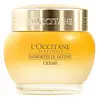
This moisturizer is formulated around Ascorbyl Glucoside to brighten and support scar healing.
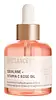
This brightening oil is formulated around Squalane and Tetrahexyldecyl Ascorbate to brighten dull-looking skin and hydrate skin.


What's inside
What's inside
 Key Ingredients
Benefits
Concerns
Ingredients Side-by-side
Water
Skin ConditioningC12-15 Alkyl Benzoate
AntimicrobialCaprylic/Capric Triglyceride
Masking


Glycerin
Humectant
Oenothera Biennis Oil
Emollient






Dimethicone
Emollient
Cetearyl Alcohol
Emollient

Tapioca Starch
Ascorbyl Glucoside
Antioxidant



Glyceryl Stearate
Emollient
Camelina Sativa Seed Oil
Skin Conditioning
Hydroxyethyl Acrylate/Sodium Acryloyldimethyl Taurate Copolymer
Emulsion StabilisingCetyl Alcohol
Emollient
Helichrysum Italicum Flower Oil
Masking


Myrtus Communis Oil
Masking
Borago Officinalis Seed Oil
Emollient
Helichrysum Italicum Extract
AntiseborrhoeicEchium Plantagineum Seed Oil
Skin Conditioning
Menyanthes Trifoliata Leaf Extract
Skin ConditioningBellis Perennis Flower Extract
Skin ConditioningHelianthus Annuus Seed Oil
Emollient
Rosmarinus Officinalis Leaf Extract
AntimicrobialHoney
Humectant
Polysorbate 60
Emulsifying
Sodium Hyaluronate
Humectant
Sodium Citrate
BufferingPalmitic Acid
Emollient
Cetyl Palmitate
Emollient
Cetearyl Glucoside
Emulsifying
Stearic Acid
Cleansing
Glyceryl Linoleate
Emollient
Sucrose Palmitate
EmollientSorbitan Isostearate
Emulsifying
Copper Gluconate
Skin Conditioning
Magnesium Aspartate
Skin ConditioningPEG-100 Stearate
Surfactant
Disodium EDTA
ChelatingEthylhexylglycerin
Skin ConditioningPhenoxyethanol
Preservative
Chlorphenesin
Antimicrobial
Potassium Sorbate
Preservative
Sodium Benzoate
Masking
Tocopheryl Acetate
Antioxidant
Zinc Gluconate
Skin Conditioning



Tocopherol
Antioxidant
Parfum
Masking
Linalool
Perfuming
Benzyl Salicylate
Perfuming
Limonene
Perfuming
Geraniol
Perfuming
Citral
Perfuming
Water, C12-15 Alkyl Benzoate, Caprylic/Capric Triglyceride, Glycerin, Oenothera Biennis Oil, Dimethicone, Cetearyl Alcohol, Tapioca Starch, Ascorbyl Glucoside, Glyceryl Stearate, Camelina Sativa Seed Oil, Hydroxyethyl Acrylate/Sodium Acryloyldimethyl Taurate Copolymer, Cetyl Alcohol, Helichrysum Italicum Flower Oil, Myrtus Communis Oil, Borago Officinalis Seed Oil, Helichrysum Italicum Extract, Echium Plantagineum Seed Oil, Menyanthes Trifoliata Leaf Extract, Bellis Perennis Flower Extract, Helianthus Annuus Seed Oil, Rosmarinus Officinalis Leaf Extract, Honey, Polysorbate 60, Sodium Hyaluronate, Sodium Citrate, Palmitic Acid, Cetyl Palmitate, Cetearyl Glucoside, Stearic Acid, Glyceryl Linoleate, Sucrose Palmitate, Sorbitan Isostearate, Copper Gluconate, Magnesium Aspartate, PEG-100 Stearate, Disodium EDTA, Ethylhexylglycerin, Phenoxyethanol, Chlorphenesin, Potassium Sorbate, Sodium Benzoate, Tocopheryl Acetate, Zinc Gluconate, Tocopherol, Parfum, Linalool, Benzyl Salicylate, Limonene, Geraniol, Citral

Reviews
Ingredients Explained
These ingredients are found in both products.
Ingredients higher up in an ingredient list are typically present in a larger amount.
Caprylic/Capric Triglyceride (aka MCT Oil) is a lightweight emollient, solvent, and texture enhancer. It is considered a skin-softener by helping to prevent moisture loss.
Though it behaves like an oil, it is not technically one due to its chemical composition. One perk of this ingredient is that it is very stable, resistant to oxidation, and unlikely to go rancid.
In practice, that translates to a long shelf life and a consistently elegant skin feel.
While there is an assumption Caprylic Triglyceride can clog pores due to it being derived from coconut oil, there is no research supporting this. Just patch test if you have concerns.
Fractionated coconut oil and MCT Oil are both listed as Caprylic/Capric Triglyceride according to INCI. This is because INCI names are based on the ingredient’s final chemical composition and not its marketing name or source.
This ingredient is treated as the gold standard fungal acne safe oil. Even though it is coconut derived, the problematic lauric acid is stripped out.
This leaves just caprylic (C8) and capric (C10) acid. These chain lengths actually trend antifungal; a 2020 study found caprylic acid was enough to disrupt Malassezia furfur cell membrane, with a caprylic acid derivative damaging membrane structures at concentrations as low as 0.2%.
Learn more about Caprylic/Capric TriglycerideGeraniol is used to add fragrance/parfum to a product. It is the main component of citronellol. It is a monoterpenoid and an alcohol.
Monoterpenes are naturally found in many parts of different plants.
Geraniol can be found in many essential oils including Rose Oil and Citronella Oil. The scent of Geraniol is often described as "rose-like". Many foods also contain Geraniol for fruit flavoring.
Geraniol can irritate the skin when exposed to air. However, irritation depends on the ability of geraniol to penetrate into the skin. In general, geraniol is not able to penetrate skin easily.
Geraniol is colorless and has low water-solubility. However, it is soluble in common organic solvents.
Like citronellol, it is a natural insect repellent.
2,6-Octadien-1-ol, 3,7-dimethyl-, (2E)-
Learn more about Geraniol

