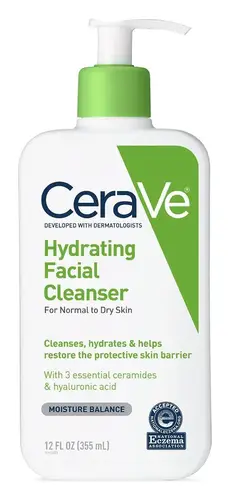
This oil-based makeup remover is made to dissolve makeup, sunscreen, and daily buildup.


What's inside
What's inside
 Key Ingredients
No key ingredients
Benefits
Concerns
Ingredients Side-by-side
Helianthus Annuus Seed Oil
Emollient



Vitis Vinifera Seed Oil
Emollient
Caprylic/Capric Triglyceride
Masking

PEG-20 Glyceryl Triisostearate
Emollient
Castor Oil/Ipdi Copolymer
Cetearyl Alcohol
Emollient



Tocopheryl Acetate
Antioxidant


Pyrus Communis Fruit Extract
Skin ConditioningRosa Damascena Flower Water
Masking
Caprylyl Glycol
Emollient
Glyceryl Caprylate
EmollientHedera Helix Leaf/Stem Extract
AntimicrobialCucumis Melo Seed Extract
Skin ConditioningIris Florentina Root Extract
MaskingHelianthus Annuus Seed Oil, Vitis Vinifera Seed Oil, Caprylic/Capric Triglyceride, PEG-20 Glyceryl Triisostearate, Castor Oil/Ipdi Copolymer, Cetearyl Alcohol, Tocopheryl Acetate, Pyrus Communis Fruit Extract, Rosa Damascena Flower Water, Caprylyl Glycol, Glyceryl Caprylate, Hedera Helix Leaf/Stem Extract, Cucumis Melo Seed Extract, Iris Florentina Root Extract
Water
Skin ConditioningGlycerin
Humectant
Sodium PCA
Humectant
Coconut Alkanes
Emollient
Argania Spinosa Kernel Oil
Emollient

Brassicamidopropyl Dimethylamine
Skin ConditioningSclerocarya Birrea Seed Oil
Humectant
Coco-Caprylate/Caprate
Emollient
Plukenetia Volubilis Seed Oil
Emollient
Caprylic/Capric Triglyceride
Masking
Pentaclethra Macroloba Seed Oil
Emollient
Panthenol
Skin Conditioning
Pentylene Glycol
Skin Conditioning
Cocos Nucifera Oil
Masking
Sodium Lactate
Buffering
PCA
Humectant
Alanine
Masking
Arginine
Masking
Glycine
Buffering
Histidine
Humectant
Isoleucine
Skin ConditioningPhenylalanine
Masking
Proline
Skin Conditioning
Serine
Masking
Threonine
Valine
MaskingAspartic Acid
Masking
Prunus Amygdalus Dulcis Seed Extract
Skin ConditioningCitric Acid
Buffering
Polysorbate 20
Emulsifying
Caprylyl Glycol
Emollient
Hexylene Glycol
EmulsifyingPhenoxyethanol
Preservative
Ethylhexylglycerin
Skin ConditioningWater, Glycerin, Sodium PCA, Coconut Alkanes, Argania Spinosa Kernel Oil, Brassicamidopropyl Dimethylamine, Sclerocarya Birrea Seed Oil, Coco-Caprylate/Caprate, Plukenetia Volubilis Seed Oil, Caprylic/Capric Triglyceride, Pentaclethra Macroloba Seed Oil, Panthenol, Pentylene Glycol, Cocos Nucifera Oil, Sodium Lactate, PCA, Alanine, Arginine, Glycine, Histidine, Isoleucine, Phenylalanine, Proline, Serine, Threonine, Valine, Aspartic Acid, Prunus Amygdalus Dulcis Seed Extract, Citric Acid, Polysorbate 20, Caprylyl Glycol, Hexylene Glycol, Phenoxyethanol, Ethylhexylglycerin
Reviews
Ingredients Explained
These ingredients are found in both products.
Ingredients higher up in an ingredient list are typically present in a larger amount.
Caprylic/Capric Triglyceride (aka MCT Oil) is a lightweight emollient, solvent, and texture enhancer. It is considered a skin-softener by helping to prevent moisture loss.
Though it behaves like an oil, it is not technically one due to its chemical composition. One perk of this ingredient is that it is very stable, resistant to oxidation, and unlikely to go rancid.
In practice, that translates to a long shelf life and a consistently elegant skin feel.
While there is an assumption Caprylic Triglyceride can clog pores due to it being derived from coconut oil, there is no research supporting this. Just patch test if you have concerns.
Fractionated coconut oil and MCT Oil are both listed as Caprylic/Capric Triglyceride according to INCI. This is because INCI names are based on the ingredient’s final chemical composition and not its marketing name or source.
This ingredient is treated as the gold standard fungal acne safe oil. Even though it is coconut derived, the problematic lauric acid is stripped out.
This leaves just caprylic (C8) and capric (C10) acid. These chain lengths actually trend antifungal; a 2020 study found caprylic acid was enough to disrupt Malassezia furfur cell membrane, with a caprylic acid derivative damaging membrane structures at concentrations as low as 0.2%.
Learn more about Caprylic/Capric TriglycerideCaprylyl Glycol is a humectant, skin conditioner, emollient, and preservative booster derived from either caprylic acid or synthetically created.
Typical use levels vary from 0.3-1% as a preservative booster and go up to 2% to condition skin.
Because it is not a free-fatty acid, this ingredient is fungal acne safe (there's nothing for Malassezia to feed on).
Learn more about Caprylyl Glycol