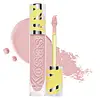
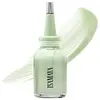
Kosas Revealer Extra Bright Serum-Powered Color Correctors Versus Isamaya Beauty Color Correcting Serum


What's inside
What's inside
 Key Ingredients
Benefits
Concerns
Ingredients Side-by-side
Water
Skin ConditioningCaprylic/Capric Triglyceride
Masking


Octyldodecanol
Emollient
Polyglyceryl-2 Dipolyhydroxystearate
Skin Conditioning

Ethylhexyl Olivate
Skin Conditioning
Glycerin
Humectant
Undecane
EmollientPolyhydroxystearic Acid
Emulsifying
Mica
Cosmetic ColorantPolyglyceryl-3 Diisostearate
Emulsifying


Silica
Abrasive


Galactoarabinan

Propanediol
Solvent
Helianthus Annuus Seed Wax
Skin Conditioning
Tridecane
Perfuming

Lecithin
Emollient
Caffeine
Skin Conditioning

Panthenol
Skin Conditioning
Acetyl Tetrapeptide-5
Humectant
Dipeptide-2
Skin Conditioning
Sodium Hyaluronate
Humectant
Squalane
Emollient
Glyceryl Oleate
Emollient
Pentylene Glycol
Skin Conditioning
Tocopherol
Antioxidant



Sodium Gluconate
ChelatingHelianthus Annuus Seed Oil
Emollient
Ascorbyl Palmitate
Antioxidant
Hydrogenated Palm Glycerides Citrate
Emollient
Phenethyl Alcohol
MaskingCI 77891
Cosmetic ColorantCI 77491
Cosmetic ColorantCI 77492
Cosmetic ColorantCI 77499
Cosmetic ColorantCI 77742
Cosmetic ColorantWater, Caprylic/Capric Triglyceride, Octyldodecanol, Polyglyceryl-2 Dipolyhydroxystearate, Ethylhexyl Olivate, Glycerin, Undecane, Polyhydroxystearic Acid, Mica, Polyglyceryl-3 Diisostearate, Silica, Galactoarabinan, Propanediol, Helianthus Annuus Seed Wax, Tridecane, Lecithin, Caffeine, Panthenol, Acetyl Tetrapeptide-5, Dipeptide-2, Sodium Hyaluronate, Squalane, Glyceryl Oleate, Pentylene Glycol, Tocopherol, Sodium Gluconate, Helianthus Annuus Seed Oil, Ascorbyl Palmitate, Hydrogenated Palm Glycerides Citrate, Phenethyl Alcohol, CI 77891, CI 77491, CI 77492, CI 77499, CI 77742
Water
Skin ConditioningGlycerin
Humectant
Propanediol
Solvent
Triolein
Skin Conditioning
Ethyl Oleate
Emollient
Glyceryl Dioleate
Emollient
Ethyl Stearate
Emollient
Lauroyl Lysine
Skin Conditioning
Mica
Cosmetic ColorantLauryl Glucoside
CleansingZea Mays Starch
Absorbent
Polyglyceryl-6 Laurate
Emulsifying
Butyrospermum Parkii Butter Unsaponifiables
Skin Conditioning
Ethyl Linoleate
Emollient
Caprylyl Glycol
Emollient
Ethyl Palmitate
Emollient
Shorea Robusta Resin
TonicPotassium Cetyl Phosphate
EmulsifyingSodium Polyacryloyldimethyl Taurate
Emulsion StabilisingMyristyl Glucoside
CleansingOctyldodecanol
Emollient
Potassium Sorbate
Preservative
Sodium Dehydroacetate
Preservative
Dipropylene Glycol
HumectantGlyceryl Caprylate
EmollientMaltodextrin
Absorbent
Silica
Abrasive
Galactoarabinan
Rosa Damascena Flower Extract
Masking
Epilobium Angustifolium Flower/Leaf/Stem Extract
Skin Conditioning1,2-Hexanediol
Skin Conditioning
CI 77891
Cosmetic ColorantCI 77288
Cosmetic ColorantWater, Glycerin, Propanediol, Triolein, Ethyl Oleate, Glyceryl Dioleate, Ethyl Stearate, Lauroyl Lysine, Mica, Lauryl Glucoside, Zea Mays Starch, Polyglyceryl-6 Laurate, Butyrospermum Parkii Butter Unsaponifiables, Ethyl Linoleate, Caprylyl Glycol, Ethyl Palmitate, Shorea Robusta Resin, Potassium Cetyl Phosphate, Sodium Polyacryloyldimethyl Taurate, Myristyl Glucoside, Octyldodecanol, Potassium Sorbate, Sodium Dehydroacetate, Dipropylene Glycol, Glyceryl Caprylate, Maltodextrin, Silica, Galactoarabinan, Rosa Damascena Flower Extract, Epilobium Angustifolium Flower/Leaf/Stem Extract, 1,2-Hexanediol, CI 77891, CI 77288
Alternatives
Ingredients Explained
These ingredients are found in both products.
Ingredients higher up in an ingredient list are typically present in a larger amount.
Ci 77891 is a white pigment from Titanium dioxide. It is naturally found in minerals such as rutile and ilmenite.
It's main function is to add a white color to cosmetics. It can also be mixed with other colors to create different shades.
Ci 77891 is commonly found in sunscreens due to its ability to block UV rays.
Learn more about CI 77891This ingredient is also known as arabinogalactan. It is a polysaccharide extracted from North American larch trees. It is a film-forming agent that helps enhance skin hydration and improves the texture of products.
Once applied, galactoarabinan forms a lightweight and breathable film on the skin. This helps reduce transepidermal water loss (TEWL) without adding a greasy finish.
It is also used to boost the efficacy of exfoliating actives like AHAs by improving skin feel and reducing irritation potential.
Studies show this ingredient supports hydration through two actions:
1) Limiting water evaporation
2) Enhancing the spreadability of emulsion products to disperse humectants and emollients across the skin's surface
Additionally, galactoarabinan can improve makeup wear and reduce "tightness" after cleansing.
Learn more about GalactoarabinanGlycerin (or glycerol) is a compound naturally found in your skin. It's a powerhouse humectant that pulls water into the stratum corneum.
Topically, glycerin does several things at once:
Your skin makes glycerin on its own (mostly from sebaceous oil breakdown) and shuttles it to your outermost layer of skin, or your epidermis, via aquaporin-3.
Aquaporin-3 is a transporter that is essential for normal skin hydration, elasticity, and repair. Interestingly, mice lacking in AQP3 have dry and less elastic skin that can be fully corrected with glycerin.
This ingredient is non-irritating, plays well with almost every ingredient, and works across all skin types. Typical use is anywhere between 3-10% but can go up to 79% in some leave-on products.
Just know very high concentrations (>40%) can feel tacky in low humidity.
Glycerin is the name for this ingredient in American English. British English uses Glycerol/Glycerine.
Learn more about GlycerinMica is a naturally occurring mineral used to add shimmer and color in cosmetics. It can also help improve the texture of a product or give it an opaque, white/silver color.
Serecite is the name for very fine but ragged grains of mica.
This ingredient is often coated with metal oxides like titanium dioxide. Trace amounts of heavy metals may be found in mica, but these metals are not harmful in our personal products.
Mica has been used since prehistoric times throughout the world. Ancient Egyptian, Indian, Greek, Roman, Aztec, and Chinese civilizations have used mica.
Learn more about MicaOctyldodecanol is a fatty alcohol sourced from plant oils like coconut or palm (or made synthetically).
It is:
You'll likely see this in many BHA products because this is the go-to solvent for salicylic acid.
This ingredient is typically used at levels between 2-20%.
Regarding fungal acne:
In 2019, this ingredient was tested against multiple Malassezia species (the yeast that causes fungal acne) and showed no growth.
Propanediol is an all-star ingredient. It softens, hydrates, and smooths the skin.
It’s often used to:
Propanediol is not likely to cause sensitivity and considered safe to use. It is derived from corn or petroleum with a clear color and no scent.
Learn more about PropanediolSilica, also known as silicon dioxide, is a naturally occurring mineral. It is used as a fine, spherical, and porous powder in cosmetics.
Though it has exfoliant properties, the function of silica varies depending on the product.
The unique structure of silica enhances the spreadability and adds smoothness, making it a great texture enhancer.
It is also used as an active carrier, emulsifier, and mattifier due to its ability to absorb excess oil.
In some products, tiny microneedles called spicules are made from silica or hydrolyzed sponge. When you rub them in, they lightly polish away dead skin layers and enhance the penetration of active ingredients.
Learn more about SilicaWater. It's the most common cosmetic ingredient of all. You'll usually see it at the top of ingredient lists, meaning that it makes up the largest part of the product.
So why is it so popular? Water most often acts as a solvent - this means that it helps dissolve other ingredients into the formulation.
You'll also recognize water as that liquid we all need to stay alive. If you see this, drink a glass of water. Remember to stay hydrated!
Learn more about Water

