Kleveru Ergo Soothe And Fresh Sunscreen SPF 50+ Versus Labore Acne & Oil Correct Physical Sunscreen SPF 50+
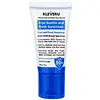
This chemical sunscreen covers most of the UV range, lighter on the deep UVA that drives aging.
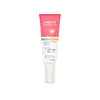
This mineral sunscreen covers the full UV range and blocks ~98% of UVB at SPF 50.

What's inside
What's inside
 Key Ingredients
Benefits
Concerns
Ingredients Side-by-side
Water
Skin ConditioningPropylene Glycol
Humectant


Butyl Methoxydibenzoylmethane
UV Absorber
Ethylhexyl Methoxycinnamate
UV Absorber

Ethylhexyl Salicylate
UV Absorber
Polysilicone-34
Skin Conditioning
Butylene Glycol
Humectant
Octocrylene
UV Absorber
Anthemis Nobilis Flower Oil
Masking



Ergothioneine
Antioxidant


Isononyl Isononanoate
EmollientNeopentyl Glycol Diheptanoate
EmollientBisabolol
Antioxidant
Polyacrylate Crosspolymer-11
Emulsion StabilisingAllantoin
Skin Conditioning
Tricholoma Matsutake Extract
Skin ConditioningTricholoma Matsutake Mycelium Ferment Extract
HumectantLecithin
Emollient
Hydrolyzed Hyaluronic Acid
Humectant

Phenoxyethanol
Preservative
Pentylene Glycol
Skin Conditioning
Hydrolyzed Royal Jelly Protein
Skin ConditioningEthylhexylglycerin
Skin ConditioningWater, Propylene Glycol, Butyl Methoxydibenzoylmethane, Ethylhexyl Methoxycinnamate, Ethylhexyl Salicylate, Polysilicone-34, Butylene Glycol, Octocrylene, Anthemis Nobilis Flower Oil, Ergothioneine, Isononyl Isononanoate, Neopentyl Glycol Diheptanoate, Bisabolol, Polyacrylate Crosspolymer-11, Allantoin, Tricholoma Matsutake Extract, Tricholoma Matsutake Mycelium Ferment Extract, Lecithin, Hydrolyzed Hyaluronic Acid, Phenoxyethanol, Pentylene Glycol, Hydrolyzed Royal Jelly Protein, Ethylhexylglycerin
Water
Skin ConditioningZinc Oxide
Cosmetic Colorant
C12-15 Alkyl Benzoate
AntimicrobialC14-22 Alcohols
Emulsion Stabilising
Propanediol
Solvent
Hydroxyethyl Acrylate/Sodium Acryloyldimethyl Taurate Copolymer
Emulsion StabilisingBisabolol
Antioxidant
C12-20 Alkyl Glucoside
EmulsifyingGlycerin
Humectant
1,2-Hexanediol
Skin Conditioning
Triethoxycaprylylsilane
Polyacrylate Crosspolymer-6
Emulsion StabilisingAllantoin
Skin Conditioning
Chlorphenesin
Antimicrobial
Polyhydroxystearic Acid
Emulsifying
Butylene Glycol
Humectant
Silica
Abrasive

Dibutyl Adipate
EmollientMadecassoside
Antioxidant
Bacillus Lysate
Skin ProtectingCaprylhydroxamic Acid
Aminomethyl Propanol
BufferingMaltodextrin
Absorbent
Chlorophyllin-Copper Complex
Antioxidant
Glucose
Humectant
Vitis Vinifera Leaf Extract
Skin ConditioningLactobacillus Ferment
Skin Conditioning
Palmitoyl Pentapeptide-4
Skin Conditioning
Actinidia Polygama Fruit Extract
Skin ConditioningCamellia Sinensis Leaf Extract
Antimicrobial
Water, Zinc Oxide, C12-15 Alkyl Benzoate, C14-22 Alcohols, Propanediol, Hydroxyethyl Acrylate/Sodium Acryloyldimethyl Taurate Copolymer, Bisabolol, C12-20 Alkyl Glucoside, Glycerin, 1,2-Hexanediol, Triethoxycaprylylsilane, Polyacrylate Crosspolymer-6, Allantoin, Chlorphenesin, Polyhydroxystearic Acid, Butylene Glycol, Silica, Dibutyl Adipate, Madecassoside, Bacillus Lysate, Caprylhydroxamic Acid, Aminomethyl Propanol, Maltodextrin, Chlorophyllin-Copper Complex, Glucose, Vitis Vinifera Leaf Extract, Lactobacillus Ferment, Palmitoyl Pentapeptide-4, Actinidia Polygama Fruit Extract, Camellia Sinensis Leaf Extract
Reviews
Ingredients Explained
These ingredients are found in both products.
Ingredients higher up in an ingredient list are typically present in a larger amount.
Allantoin is a soothing ingredient known for its protective and moisturizing properties; it's basically a quiet workhorse ingredient you can find in a huge range of cosmetics.
Though it can be derived from the comfrey plant, allantoin is produced synthetically for cosmetic products to ensure purity.
Research shows it can encourage your skin cells to turn over and renew by stimulating keratinocyte and fibroblast proliferation.
It also has mild keratolytic properties to help loosen and shed dead skin cells without being harsh.
Studies also suggest allantoin can help calm inflammation by dialing down some of the chemical signals your skin sends out when it is irritated.
This ingredient is typically used in the 0.1-0.5% range, and the FDA recognizes it as a skin protectant in OTC products up to 2%.
Overall, allantoin is a wonderful addition to most routines; it is stable across a wide pH range (~4-8), works well with other ingredients, and is considered non-sensitizing/non-irritating.
Fun fact: Allantoin is naturally occurring in comfrey root, beets, chamomile, and wheat sprouts. Our bodies even produce it as a byproduct of uric acid metabolism.
Learn more about AllantoinBisabolol is a gentle skin conditioner, antioxidant, and soothing ingredient.
It's primary claim to fame is soothing and research shows topically applied bisabolol can quiet the chemical messengers that cause your skin to become inflamed, helping to sooth any irritation.
A clinical study found that applying 0.5% bisabolol daily for 8 weeks produced an average 9% decrease in skin pigmentation. Researchers found it can also suppress the process that leads to excess melanin production in skin.
In vitro studies found that bisabolol combined with propylene glycol significantly increased skin permeability by increasing lipid fluidity in the stratum corneum.
You'll likely see use concentrations quite low, usually 0.1-0.2%.
Overall, this is a well-tolerated ingredient that works well in formulas designed for sensitive, reactive, or post-procedure skin.
Learn more about BisabololButylene Glycol (or BG) is used within cosmetic products for a few different reasons:
Overall, Butylene Glycol is a safe and well-rounded ingredient that works well with other ingredients.
Though this ingredient works well with most skin types, some people with sensitive skin may experience a reaction such as allergic rashes, closed comedones, or itchiness.
Learn more about Butylene GlycolWater. It's the most common cosmetic ingredient of all. You'll usually see it at the top of ingredient lists, meaning that it makes up the largest part of the product.
So why is it so popular? Water most often acts as a solvent - this means that it helps dissolve other ingredients into the formulation.
You'll also recognize water as that liquid we all need to stay alive. If you see this, drink a glass of water. Remember to stay hydrated!
Learn more about Water

