Kiehl's Powerful-Strength Vitamin C Serum Versus Perricone MD Vitamin C Ester CCC + Ferulic Brightening Complex 20%
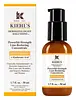
This anti-aging serum is formulated around Ascorbic Acid and Ascorbyl Glucoside to soften the look of wrinkles and brighten dull-looking skin.
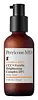
This brightening serum is formulated around 3-O-Ethyl Ascorbic Acid and Sodium Ascorbyl Phosphate to brighten dull-looking skin and fade the look of dark spots.

What's inside
What's inside
 Key Ingredients
Benefits
Concerns
Ingredients Side-by-side
Propylene Glycol
Humectant


Dimethicone
Emollient

Glycerin
Humectant
Ascorbic Acid
Antioxidant





Ethylhexyl Palmitate
Emollient


Cetyl PEG/PPG-10/1 Dimethicone
Emulsifying
Dimethicone Crosspolymer
Emulsion Stabilising
Ascorbyl Glucoside
Antioxidant
Cyclohexasiloxane
Emollient
Hydroxyethylpiperazine Ethane Sulfonic Acid
BufferingLauroyl Lysine
Skin Conditioning
Acrylonitrile/Methyl Methacrylate/Vinylidene Chloride Copolymer
Polysilicone-11
Adenosine
Skin Conditioning
Hydrolyzed Hyaluronic Acid
Humectant
Limonene
Perfuming


Isobutane
Citrus Aurantium Dulcis Peel Oil
Masking
Citrus Limon Peel Oil
Masking

Citral
Perfuming
Pentaerythrityl Tetra-Di-T-Butyl Hydroxyhydrocinnamate
Antioxidant
Propylene Glycol, Dimethicone, Glycerin, Ascorbic Acid, Ethylhexyl Palmitate, Cetyl PEG/PPG-10/1 Dimethicone, Dimethicone Crosspolymer, Ascorbyl Glucoside, Cyclohexasiloxane, Hydroxyethylpiperazine Ethane Sulfonic Acid, Lauroyl Lysine, Acrylonitrile/Methyl Methacrylate/Vinylidene Chloride Copolymer, Polysilicone-11, Adenosine, Hydrolyzed Hyaluronic Acid, Limonene, Isobutane, Citrus Aurantium Dulcis Peel Oil, Citrus Limon Peel Oil, Citral, Pentaerythrityl Tetra-Di-T-Butyl Hydroxyhydrocinnamate
Water
Skin Conditioning3-O-Ethyl Ascorbic Acid
Skin Conditioning

Isopropyl Myristate
Emollient
Sodium Ascorbyl Phosphate
Antioxidant
Behenyl Alcohol
Emollient
Caprylyl Methicone
Skin Conditioning
Hydrogenated Lecithin
Emulsifying
Benzyl Alcohol
Perfuming


Hydroxyphenoxy Propionic Acid
Skin ConditioningTetrahexyldecyl Ascorbate
Antioxidant
Ferulic Acid
Antimicrobial
Simmondsia Chinensis Seed Oil
Emollient
Xanthan Gum
EmulsifyingTocopheryl Acetate
Antioxidant
Sodium Metabisulfite
Antioxidant
Beta-Glucan
Skin Conditioning
Ethylhexylglycerin
Skin ConditioningDisodium EDTA
Polyacrylamide
C13-14 Isoparaffin
Emollient
Polysorbate 20
Emulsifying
Laureth-7
EmulsifyingMaltodextrin
Absorbent
Phenoxyethanol
Preservative
Benzoic Acid
Masking
Dehydroacetic Acid
Preservative
Parfum
Masking
Citral
Perfuming
Limonene
Perfuming
Linalool
Perfuming
Water, 3-O-Ethyl Ascorbic Acid, Isopropyl Myristate, Sodium Ascorbyl Phosphate, Behenyl Alcohol, Caprylyl Methicone, Hydrogenated Lecithin, Benzyl Alcohol, Hydroxyphenoxy Propionic Acid, Tetrahexyldecyl Ascorbate, Ferulic Acid, Simmondsia Chinensis Seed Oil, Xanthan Gum, Tocopheryl Acetate, Sodium Metabisulfite, Beta-Glucan, Ethylhexylglycerin, Disodium EDTA, Polyacrylamide, C13-14 Isoparaffin, Polysorbate 20, Laureth-7, Maltodextrin, Phenoxyethanol, Benzoic Acid, Dehydroacetic Acid, Parfum, Citral, Limonene, Linalool
Reviews
Ingredients Explained
These ingredients are found in both products.
Ingredients higher up in an ingredient list are typically present in a larger amount.
Citral is the molecule responsible for the fresh lemon scent in lemon, lime, and lemongrass. It is a fragrance ingredient that can be created from plant essential oils or synthetically.
Though Citral has documented antimicrobial activity against acne bacteria (which is where the marketing claims about it being good for acne-prone skin originate), real formulas use it at fragrance-level concentrations under 1% so there's likely no skin benefit.
You should know this ingredient is a known EU fragrance allergen.
Animal studies classifies this ingredient as a weak-to-moderate skin sensitizer and clinical patch testing on eczema patients confirmed it to be both a contact allergen and irritant.
The term 'citral' is a collective term for two geometric isomers: geranial/Citral A and neral/Citral B.
The term 'fragrance' is not regulated in many countries. In many cases, it is up to the brand to define this term. For instance, many brands choose to label themselves as "fragrance-free" because they are not using synthetic fragrances. However, their products may still contain ingredients such as essential oils that are considered a fragrance.
Learn more about CitralLimonene is a fragrance that adds scent and taste to a formulation.
It's found in the peel oil of citrus fruits and other plants such as lavender and eucalyptus. The scent of limonene is generally described as "sweet citrus".
Limonene acts as an antioxidant, meaning it helps neutralize free radicals.
When exposed to air, oxidized limonene may sensitize the skin. Because of this, limonene is often avoided by people with sensitive skin.
The term 'fragrance' is not regulated in many countries. In many cases, it is up to the brand to define this term. For instance, many brands choose to label themselves as "fragrance-free" because they are not using synthetic fragrances. However, their products may still contain ingredients such as essential oils that are considered a fragrance.
Learn more about Limonene

