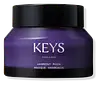
This wash off mask is made with Honey for a rinse-off hydration boost.
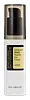
This anti-aging eye moisturizer is formulated around Snail Secretion Filtrate and Niacinamide to soften the look of wrinkles and hydrate skin.


What's inside
What's inside
 Key Ingredients
Benefits
Concerns
Ingredients Side-by-side
Water
Skin ConditioningButylene Glycol
Humectant

Hydrogenated Polyisobutene
EmollientPEG-100 Stearate
Surfactant

Polysorbate 20
Emulsifying
Illite
Abrasive
Hectorite
AbsorbentHoney
Humectant
Jojoba Esters
Emollient
Trehalose
Humectant
Glycerin
Humectant
Charcoal
Abrasive
PEG-150 Distearate
Emulsifying
Gold
Cosmetic ColorantTocopherol
Antioxidant




Kaolin
Abrasive


Santalum Album Oil
Masking


Hydrolyzed Sodium Hyaluronate
Skin Conditioning
Sodium Hyaluronate
Humectant
Xanthan Gum
EmulsifyingMica
Cosmetic ColorantEthylhexylglycerin
Skin ConditioningCaprylyl Glycol
Emollient
Synthetic Fluorphlogopite
Disodium EDTA
ChelatingStearic Acid
Cleansing
PEG-150
HumectantPEG-150 Stearate
Surfactant
Citric Acid
Buffering
Phenoxyethanol
Preservative
CI 77891
Cosmetic ColorantCI 77492
Cosmetic ColorantWater, Butylene Glycol, Hydrogenated Polyisobutene, PEG-100 Stearate, Polysorbate 20, Illite, Hectorite, Honey, Jojoba Esters, Trehalose, Glycerin, Charcoal, PEG-150 Distearate, Gold, Tocopherol, Kaolin, Santalum Album Oil, Hydrolyzed Sodium Hyaluronate, Sodium Hyaluronate, Xanthan Gum, Mica, Ethylhexylglycerin, Caprylyl Glycol, Synthetic Fluorphlogopite, Disodium EDTA, Stearic Acid, PEG-150, PEG-150 Stearate, Citric Acid, Phenoxyethanol, CI 77891, CI 77492
Snail Secretion Filtrate
Skin Conditioning
Butylene Glycol
Humectant
Glycerin
Humectant
Helianthus Annuus Seed Oil
Emollient
1,2-Hexanediol
Skin Conditioning
Niacinamide
Smoothing

Water
Skin ConditioningPalmitic Acid
Emollient

Arginine
Masking
Carbomer
Emulsion StabilisingStearic Acid
Cleansing
Betaine
Humectant
Cetearyl Olivate
Sorbitan Olivate
Emulsifying
Sodium Polyacrylate
Absorbent
Allantoin
Skin Conditioning
Tocopheryl Acetate
Antioxidant
Panthenol
Skin Conditioning
Hydroxyethyl Acrylate/Sodium Acryloyldimethyl Taurate Copolymer
Emulsion StabilisingSodium Hyaluronate
Humectant
Adenosine
Skin Conditioning
Xanthan Gum
EmulsifyingMyristic Acid
Cleansing
Copper Tripeptide-1
Skin Conditioning
Acetyl Hexapeptide-8
Humectant
Palmitoyl Pentapeptide-4
Skin Conditioning
Palmitoyl Tripeptide-1
Skin Conditioning
Palmitoyl Tetrapeptide-7
Skin Conditioning
Snail Secretion Filtrate, Butylene Glycol, Glycerin, Helianthus Annuus Seed Oil, 1,2-Hexanediol, Niacinamide, Water, Palmitic Acid, Arginine, Carbomer, Stearic Acid, Betaine, Cetearyl Olivate, Sorbitan Olivate, Sodium Polyacrylate, Allantoin, Tocopheryl Acetate, Panthenol, Hydroxyethyl Acrylate/Sodium Acryloyldimethyl Taurate Copolymer, Sodium Hyaluronate, Adenosine, Xanthan Gum, Myristic Acid, Copper Tripeptide-1, Acetyl Hexapeptide-8, Palmitoyl Pentapeptide-4, Palmitoyl Tripeptide-1, Palmitoyl Tetrapeptide-7
Reviews
Ingredients Explained
These ingredients are found in both products.
Ingredients higher up in an ingredient list are typically present in a larger amount.
Butylene Glycol (or BG) is used within cosmetic products for a few different reasons:
Overall, Butylene Glycol is a safe and well-rounded ingredient that works well with other ingredients.
Though this ingredient works well with most skin types, some people with sensitive skin may experience a reaction such as allergic rashes, closed comedones, or itchiness.
Learn more about Butylene GlycolGlycerin (or glycerol) is a compound naturally found in your skin. It's a powerhouse humectant that pulls water into the stratum corneum.
Topically, glycerin does several things at once:
Your skin makes glycerin on its own (mostly from sebaceous oil breakdown) and shuttles it to your outermost layer of skin, or your epidermis, via aquaporin-3.
Aquaporin-3 is a transporter that is essential for normal skin hydration, elasticity, and repair. Interestingly, mice lacking in AQP3 have dry and less elastic skin that can be fully corrected with glycerin.
This ingredient is non-irritating, plays well with almost every ingredient, and works across all skin types. Typical use is anywhere between 3-10% but can go up to 79% in some leave-on products.
Just know very high concentrations (>40%) can feel tacky in low humidity.
Glycerin is the name for this ingredient in American English. British English uses Glycerol/Glycerine.
Learn more about GlycerinSodium Hyaluronate is the salt form of hyaluronic acid. It is a long sugar chain that is naturally found in your skin, joints, and connective tissue that maintains hydration and elasticity.
In skincare, it works as a humectant. It pulls water from the environment and deeper layers of skin and binds it to the surface.
Interestingly, the size of the molecule affects its behavior:
Some clinical evidence links low molecular weight versions to improved wrinkle depth, elasticity, anti-inflammatory effects, and barrier repair.
Many serums use a blend of both weights so you can get surface hydration plus longer-lasting and deeper effects.
You'll typically see concentrations between 0.1-2% for this ingredient.
Learn more about Sodium HyaluronateStearic Acid is a fatty acid that is already found in your skin. It's one of the free fatty acids that works alongside ceramides and cholesterols to maintain your barrier.
In cosmetics, it is a multitasker:
Safety-wise, the CIR Expert Panel has concluded it to be safe in cosmetics when formulated to be non-irritating and non-sensitizing.
Free stearic acid is a C18 fatty acid that the Malassezia yeast can substrate, so this ingredient may not be fungal acne safe.
This ingredient does have a comedogenic rating of 2-3, but this doesn't mean a formula with this ingredient will clog pores.
Human testing has proved that any finished product with this ingredient won't automatically make you break out; it really comes down to concentration, formula, and your skin.
Learn more about Stearic AcidWater. It's the most common cosmetic ingredient of all. You'll usually see it at the top of ingredient lists, meaning that it makes up the largest part of the product.
So why is it so popular? Water most often acts as a solvent - this means that it helps dissolve other ingredients into the formulation.
You'll also recognize water as that liquid we all need to stay alive. If you see this, drink a glass of water. Remember to stay hydrated!
Learn more about WaterXanthan gum is used as a stabilizer and thickener within cosmetic products. It helps give products a sticky, thick feeling - preventing them from being too runny.
On the technical side of things, xanthan gum is a polysaccharide - a combination consisting of multiple sugar molecules bonded together.
Xanthan gum is a pretty common and great ingredient. It is a natural, non-toxic, non-irritating ingredient that is also commonly used in food products.
Learn more about Xanthan Gum

