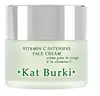
This brightening moisturizer is formulated around Centella Asiatica Extract and Sodium Ascorbyl Phosphate to brighten dull-looking skin and calm redness.
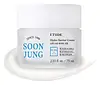
This barrier-repair moisturizer is formulated around Panthenol and Madecassoside to strengthen the skin barrier and hydrate skin.


What's inside
What's inside
 Key Ingredients
Benefits
Concerns
Ingredients Side-by-side
Abn Complex
Centella Asiatica Extract
Cleansing





Lavandula Angustifolia Oil
Masking




Calendula Officinalis Flower
Skin Conditioning
Chamomilla Recutita Extract
Skin Conditioning
Isopropyl Palmitate
Emollient




Dimethyl Sulfone
SolventSodium Ascorbyl Phosphate
Antioxidant



Glycerin
Humectant
Cetearyl Alcohol
Emollient

Stearic Acid
Cleansing
Carthamus Tinctorius Seed Oil
Masking
Parfum
Masking
Glyceryl Stearate
Emollient
Colloidal Silver
AntimicrobialGanoderma Lucidum Extract
Skin Protecting
Maris Sal
Skin ConditioningButyrospermum Parkii Butter
Skin Conditioning
Simmondsia Chinensis Seed Oil
Emollient
Panthenol
Skin Conditioning
Aloe Barbadensis Leaf Juice
Skin Conditioning
Camellia Sinensis Leaf Extract
Antimicrobial
Equisetum Arvense Extract
AstringentPelargonium Graveolens Extract
Masking
Taraxacum Officinale Extract
Skin ConditioningXanthan Gum
EmulsifyingCitric Acid
Buffering
Ethylhexylglycerin 1%
Skin ConditioningPhenoxyethanol 1%
Preservative
Abn Complex, Centella Asiatica Extract, Lavandula Angustifolia Oil, Calendula Officinalis Flower, Chamomilla Recutita Extract, Isopropyl Palmitate, Dimethyl Sulfone, Sodium Ascorbyl Phosphate, Glycerin, Cetearyl Alcohol, Stearic Acid, Carthamus Tinctorius Seed Oil, Parfum, Glyceryl Stearate, Colloidal Silver, Ganoderma Lucidum Extract, Maris Sal, Butyrospermum Parkii Butter, Simmondsia Chinensis Seed Oil, Panthenol, Aloe Barbadensis Leaf Juice, Camellia Sinensis Leaf Extract, Equisetum Arvense Extract, Pelargonium Graveolens Extract, Taraxacum Officinale Extract, Xanthan Gum, Citric Acid, Ethylhexylglycerin 1%, Phenoxyethanol 1%
Water
Skin ConditioningGlycerin
Humectant
Propanediol
Solvent
Panthenol
Skin Conditioning
Pentaerythrityl Tetraethylhexanoate
Emollient
Hydrogenated Poly(C6-14 Olefin)
Emollient1,2-Hexanediol
Skin Conditioning
Polymethylsilsesquioxane

Ammonium Acryloyldimethyltaurate/Vp Copolymer
Trehalose
Humectant
Glyceryl Stearate Citrate
Emollient
Hydroxyethyl Acrylate/Sodium Acryloyldimethyl Taurate Copolymer
Emulsion StabilisingC14-22 Alcohols
Emulsion Stabilising
Arachidyl Alcohol
Emollient
Glyceryl Stearate
Emollient
Glyceryl Caprylate
EmollientBehenyl Alcohol
Emollient
C12-20 Alkyl Glucoside
EmulsifyingEthylhexylglycerin
Skin ConditioningArachidyl Glucoside
EmulsifyingButylene Glycol
Humectant
Disodium EDTA
ChelatingSorbitan Isostearate
Emulsifying
Allantoin
Skin Conditioning
Madecassoside
Antioxidant
Scutellaria Baicalensis Root Extract
Astringent
Glucose
Humectant
Camellia Sinensis Leaf Extract
Antimicrobial
Tocopherol
Antioxidant

Water, Glycerin, Propanediol, Panthenol, Pentaerythrityl Tetraethylhexanoate, Hydrogenated Poly(C6-14 Olefin), 1,2-Hexanediol, Polymethylsilsesquioxane, Ammonium Acryloyldimethyltaurate/Vp Copolymer, Trehalose, Glyceryl Stearate Citrate, Hydroxyethyl Acrylate/Sodium Acryloyldimethyl Taurate Copolymer, C14-22 Alcohols, Arachidyl Alcohol, Glyceryl Stearate, Glyceryl Caprylate, Behenyl Alcohol, C12-20 Alkyl Glucoside, Ethylhexylglycerin, Arachidyl Glucoside, Butylene Glycol, Disodium EDTA, Sorbitan Isostearate, Allantoin, Madecassoside, Scutellaria Baicalensis Root Extract, Glucose, Camellia Sinensis Leaf Extract, Tocopherol
Reviews
Ingredients Explained
These ingredients are found in both products.
Ingredients higher up in an ingredient list are typically present in a larger amount.
Camellia Sinensis Leaf Extract (tea extract) is one of the most well-researched plant extracts in skincare with an impressive resume.
Black tea, green tea, and oolong tea are all harvested from the Camellia Sinensis plant.
Studies show green tea extract and its catechins (like epigallocatechin gallate (EGCG)) help your skin cells product energy more efficiently and reducing the number of free-radicals that can damage your skin from the inside.
In lab-grown skin models, this translated to younger, healthier, and stronger skin.
There's also good sun protection data; researchers saw less DNA damage and redness on human skin when green tea was applied before UVB exposure. And the more they applied, the better the protection.
Needless to say, this ingredient shouldn't replace your sunscreen. But it is a great supportive ingredient that you can already find in many sunscreens and antioxidant serums.
A 2009 study found a 2% green tea lotion was effective for mild-to-moderate acne thanks to its anti-inflammatory and mild antimicrobial activity.
The quality of the extract matters a lot here:
Good extracts contain 50-90% catechins while lower quality ones are mostly there for marketing. We recommend reaching out to the brand if you have questions about the quality or source of their ingredients.
Human Repeated Insult Patch Testing showed no irritation or sensitization at use concentrations (0.86% in leave-on products and up to 30% as leaf water).
Learn more about Camellia Sinensis Leaf ExtractEthylhexylglycerin is created from glycerin. It is a multitasker ingredient that:
The CIR Expert Panel found minimal skin absorption or sensitization of any kind in a safety assessment. Though this ingredient is considered well-tolerated, a small number of cases of allergic dermatitis have been published since 2002. Just be sure to patch test if you are unsure.
Industry-reported use ranges from 8% in rinse-off products and 2% in leave-on formulations.
Learn more about EthylhexylglycerinGlycerin (or glycerol) is a compound naturally found in your skin. It's a powerhouse humectant that pulls water into the stratum corneum.
Topically, glycerin does several things at once:
Your skin makes glycerin on its own (mostly from sebaceous oil breakdown) and shuttles it to your outermost layer of skin, or your epidermis, via aquaporin-3.
Aquaporin-3 is a transporter that is essential for normal skin hydration, elasticity, and repair. Interestingly, mice lacking in AQP3 have dry and less elastic skin that can be fully corrected with glycerin.
This ingredient is non-irritating, plays well with almost every ingredient, and works across all skin types. Typical use is anywhere between 3-10% but can go up to 79% in some leave-on products.
Just know very high concentrations (>40%) can feel tacky in low humidity.
Glycerin is the name for this ingredient in American English. British English uses Glycerol/Glycerine.
Learn more about GlycerinGlyceryl Stearate is made by reacting glycerin with stearic acid (typically sourced from plant oils like palm or coconut). It's an emulsifier, emollient, and mild occlusive.
Emulsifiers help ingredients like oil and water stay mixed so your formula stays nicely blended and uniform in texture.
This ingredient is typically used in concentrations between 1-10%. Studies have found it to be non-sensitizing, non-phototoxic, and non-photoallergenic.
A close cousin of this ingredient is Glyceryl Stearate SE ("self-emulsifying"). This just has a small amount of sodium or potassium stearate added so it can emulsify without a co-emulsifier.
Since this ingredient is an ester of a C18 fatty acid, it may not be fungal acne safe. The Malassezia yeast can potentially metabolize within the C11-C24 range.
Fun fact: The human body also creates Glyceryl Stearate naturally.
Learn more about Glyceryl StearatePanthenol is a common ingredient that helps hydrate and soothe the skin. It is found naturally in our skin and hair.
There are two forms of panthenol: D and L.
D-panthenol is also known as dexpanthenol. Most cosmetics use dexpanthenol or a mixture of D and L-panthenol.
Panthenol is famous due to its ability to go deeper into the skin's layers. Using this ingredient has numerous pros (and no cons):
Like hyaluronic acid, panthenol is a humectant. Humectants are able to bind and hold large amounts of water to keep skin hydrated.
This ingredient works well for wound healing. It works by increasing tissue in the wound and helps close open wounds.
Once oxidized, panthenol converts to pantothenic acid. Panthothenic acid is found in all living cells.
This ingredient is also referred to as pro-vitamin B5.
Learn more about Panthenol

