
What's inside
What's inside
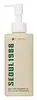 Key Ingredients
Benefits
Concerns
Ingredients Side-by-side
Ethylhexyl Palmitate
Emollient


Sorbeth-30 Tetraoleate
Emulsifying
Macadamia Ternifolia Seed Oil
Emollient

Olea Europaea Fruit Oil
Masking
Vitis Vinifera Seed Oil
Emollient
Helianthus Annuus Seed Oil
Emollient
Simmondsia Chinensis Seed Oil
Emollient

Pinus Densiflora Leaf Extract
Antimicrobial
Centella Asiatica Extract
Cleansing


Butylene Glycol
Humectant
1,2-Hexanediol
Skin Conditioning
Glycoproteins
Skin Conditioning
Madecassoside
Antioxidant
Madecassic Acid
Skin Conditioning
Asiaticoside
Antioxidant
Asiatic Acid
Skin Conditioning
Ethylhexyl Palmitate, Sorbeth-30 Tetraoleate, Macadamia Ternifolia Seed Oil, Olea Europaea Fruit Oil, Vitis Vinifera Seed Oil, Helianthus Annuus Seed Oil, Simmondsia Chinensis Seed Oil, Pinus Densiflora Leaf Extract, Centella Asiatica Extract, Butylene Glycol, 1,2-Hexanediol, Glycoproteins, Madecassoside, Madecassic Acid, Asiaticoside, Asiatic Acid
Ethylhexyl Palmitate
Emollient
Triethylhexanoin
MaskingGlycerin
Humectant
Coco-Caprylate/Caprate
Emollient
Water
Skin ConditioningPolyglyceryl-10 Myristate
Skin Conditioning
Propylene Glycol Laurate
Skin ConditioningKaolin
Abrasive



Ficus Carica Fruit Extract
Humectant
Centella Asiatica Extract
Cleansing
Camellia Sinensis Leaf Extract
Antimicrobial
Helianthus Annuus Seed Oil
Emollient
Simmondsia Chinensis Seed Oil
Emollient
Hydrogenated Lecithin
Emulsifying
Caprylic/Capric Triglyceride
Masking
Sucrose Stearate
Emollient1,2-Hexanediol
Skin Conditioning
Sucrose Laurate
Emollient
Sucrose Myristate
EmollientPanthenol
Skin Conditioning
Zea Mays Germ Oil
Emollient
Pentaerythrityl Tetra-Di-T-Butyl Hydroxyhydrocinnamate
Antioxidant
Butylene Glycol
Humectant
Sucrose
Humectant
Hyaluronic Acid
Humectant
Saccharomyces Ferment Filtrate
Humectant
Ceramide NP
Skin Conditioning
Cholesterol
Emollient
Citric Acid
Buffering

Ethylhexyl Palmitate, Triethylhexanoin, Glycerin, Coco-Caprylate/Caprate, Water, Polyglyceryl-10 Myristate, Propylene Glycol Laurate, Kaolin, Ficus Carica Fruit Extract, Centella Asiatica Extract, Camellia Sinensis Leaf Extract, Helianthus Annuus Seed Oil, Simmondsia Chinensis Seed Oil, Hydrogenated Lecithin, Caprylic/Capric Triglyceride, Sucrose Stearate, 1,2-Hexanediol, Sucrose Laurate, Sucrose Myristate, Panthenol, Zea Mays Germ Oil, Pentaerythrityl Tetra-Di-T-Butyl Hydroxyhydrocinnamate, Butylene Glycol, Sucrose, Hyaluronic Acid, Saccharomyces Ferment Filtrate, Ceramide NP, Cholesterol, Citric Acid
Reviews
Ingredients Explained
These ingredients are found in both products.
Ingredients higher up in an ingredient list are typically present in a larger amount.
1,2-Hexanediol is a synthetic liquid and another multi-functional powerhouse.
It is a:
- Humectant, drawing moisture into the skin
- Emollient, helping to soften skin
- Solvent, dispersing and stabilizing formulas
- Preservative booster, enhancing the antimicrobial activity of other preservatives
Butylene Glycol (or BG) is used within cosmetic products for a few different reasons:
Overall, Butylene Glycol is a safe and well-rounded ingredient that works well with other ingredients.
Though this ingredient works well with most skin types, some people with sensitive skin may experience a reaction such as allergic rashes, closed comedones, or itchiness.
Learn more about Butylene GlycolCentella Asiatica Extract (Centella) is derived from an herb native to Southeast Asia. It is famous for its anti-inflammatory and soothing properties.
Centella is rich in antioxidants and amino acids, such as Madecassic Acid and Asiaticoside.
Studies show the compounds in centella help with:
The combination of all these properties makes centella effective at soothing, hydrating, and protecting the skin.
Other great components of centella include Vitamin A, vitamin C, several B vitamins, and Asiatic Acid.
Fun fact: Centella has been used as a medicine and in food for many centuries. As a medicine, it is used to treat burns, scratches, and wounds.
Learn more about Centella Asiatica ExtractEthylhexyl Palmitate, also known as octyl palmitate, is created from 2-ethylhexyl alcohol and palmitic acid.
In cosmetics, it plays many roles:
One thing worth noting: a controlled study found this ingredient applied under occlusion to acne-prone subjects increased microcomedones. Just keep in mind this was under occlusive conditions and don't reflect how most products are used day-to-day.
For most people, this is a well-tolerated and lightweight ingredient.
This ingredient may not be fungal acne safe because it is an ester of palmitic acid, a C16 fatty acid that falls within the C11-24 range that Malassezia can metabolize.
Learn more about Ethylhexyl PalmitateHelianthus Annuus Seed Oil is a plant oil derived from the seeds of a sunflower.
It is rich in fatty acids, primarily linoleic acid and oleic acid. This gives it emollient and skin conditioning properties.
The reason this ingredient is so effective is because it forms a thin film on the skin that reduces transepidermal water loss (TEWL) while supplying linoleic acid to the stratum corneum to improve barrier strength.
The high linoleic acid content is particularly noteworthy for acne-prone skin.
Research suggests that acne-prone skin tends to be deficient in linoleic acid in sebum. Topical application may help replenish this to support a healthier follicular environment and less comedone-promoting sebum.
One randomized study found sunflower seed oil preserved skin barrier integrity in adult volunteers with and without atopic dermatitis (outperforming olive oil).
This ingredient is well-studied, gentle, and an effective emollient suitable for most skin types.
On fungal acne: This ingredient may not be Fungal acne (Malassezia folliculitis) safe. This is because it contains fatty acids with carbon chain lengths in the C11-C24 range.
Learn more about Helianthus Annuus Seed OilJojoba oil is one of the most well-studied plant-derived ingredients in cosmetics. It is an emollient with a special structure.
Because it is made up of 97-98% wax esters, it closely mirrors the linear monoesters found in human sebum. This makes it skin compatible, non-greasy, and lightweight.
Unlike other plant oils, jojoba wax doesn't easily penetrate skin. It mostly works in the uppermost layers as an emollient. This just means it forms a light barrier on the skin to help retain moisture.
Formulations with jojoba esters up to 90% reduced transepidermal water loss (TEWL) and increased barrier recovery by 81% (outperforming bisabolol at 47%).
Besides barrier support, the science also suggests jojoba to have anti-inflammatory effects and potential applications for skin infections, aging, and wound healing.
Fun fact: Indigenous cultures have used jojoba as a moisturizer and to help treat burns for centuries.
Fungal acne: The Malassezia yeast is known to metabolize fatty acids in the C11-24 range and jojoba's dominant fatty acid components fall into this range. This ingredient may not be fungal acne safe.
Learn more about Simmondsia Chinensis Seed Oil
