
What's inside
What's inside
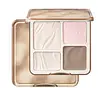 Key Ingredients
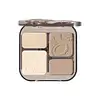
Benefits
Concerns
Ingredients Side-by-side
Synthetic Fluorphlogopite
Talc
Abrasive
Boron Nitride
Absorbent
Mica
Cosmetic ColorantCI 77891
Cosmetic ColorantPolyethylene
Abrasive
Dimethicone
Emollient

Cetyl Ethylhexanoate
EmollientTrimethylsiloxysilicate
Emollient
Stearoxy Dimethicone
Emollient
Lauroyl Lysine
Skin Conditioning
CI 77492
Cosmetic ColorantTriethoxycaprylylsilane
Dehydroacetic Acid
Preservative
Caprylyl Glycol
Emollient
Ethylhexylglycerin
Skin ConditioningCI 77491
Cosmetic ColorantTocopherol
Antioxidant







Silica
Abrasive
Paraffinum Liquidum
Emollient


Petrolatum
Emollient
Magnesium Stearate
Cosmetic ColorantCI 77499
Cosmetic ColorantEthylhexyl Palmitate
Emollient


Polyglyceryl-2 Diisostearate
Emulsifying
Sorbitan Isostearate
Emulsifying
Calcium Aluminum Borosilicate
Isostearic Acid
Cleansing
Polyisobutene
Phenyl Trimethicone
Skin Conditioning
Polybutene
Hydroxyethylcellulose
Emulsion StabilisingMicrocrystalline Wax
Emulsion StabilisingTin Oxide
Abrasive
Tocopheryl Acetate
Antioxidant
Stearic Acid
Cleansing
Palmitic Acid
Emollient
BHT
Antioxidant
Polymethylsilsesquioxane
Perfluorooctyl Triethoxysilane
Hydroxyapatite
Abrasive
Aluminum Hydroxide
EmollientCI 77742
Cosmetic ColorantSynthetic Fluorphlogopite, Talc, Boron Nitride, Mica, CI 77891, Polyethylene, Dimethicone, Cetyl Ethylhexanoate, Trimethylsiloxysilicate, Stearoxy Dimethicone, Lauroyl Lysine, CI 77492, Triethoxycaprylylsilane, Dehydroacetic Acid, Caprylyl Glycol, Ethylhexylglycerin, CI 77491, Tocopherol, Silica, Paraffinum Liquidum, Petrolatum, Magnesium Stearate, CI 77499, Ethylhexyl Palmitate, Polyglyceryl-2 Diisostearate, Sorbitan Isostearate, Calcium Aluminum Borosilicate, Isostearic Acid, Polyisobutene, Phenyl Trimethicone, Polybutene, Hydroxyethylcellulose, Microcrystalline Wax, Tin Oxide, Tocopheryl Acetate, Stearic Acid, Palmitic Acid, BHT, Polymethylsilsesquioxane, Perfluorooctyl Triethoxysilane, Hydroxyapatite, Aluminum Hydroxide, CI 77742
Mica
Cosmetic ColorantTalc
Abrasive
CI 77891
Cosmetic ColorantMagnesium Stearate
Cosmetic ColorantEthylhexyl Palmitate
Emollient
Polymethyl Methacrylate
Methyl Methacrylate Crosspolymer
Silica
Abrasive
Hdi/Trimethylol Hexyllactone Crosspolymer
CI 77499
Cosmetic ColorantBis-Diglyceryl Polyacyladipate-2
Emollient
CI 77492
Cosmetic ColorantCI 77491
Cosmetic ColorantDimethicone
Emollient
Trimethylsiloxysilicate
Emollient
Isododecane
EmollientCyclopentasiloxane
Emollient
Synthetic Fluorphlogopite
Vinyl Dimethicone/Methicone Silsesquioxane Crosspolymer
Diisostearyl Malate
EmollientBeeswax
Emulsion Stabilising
Phenoxyethanol
Preservative
Ozokerite
Emulsion StabilisingEthylhexylglycerin
Skin ConditioningTin Oxide
Abrasive
CI 16035
Cosmetic ColorantAluminum Hydroxide
EmollientCI 19140
Cosmetic ColorantWater
Skin ConditioningSodium Sulfate
Sodium Chloride
MaskingMica, Talc, CI 77891, Magnesium Stearate, Ethylhexyl Palmitate, Polymethyl Methacrylate, Methyl Methacrylate Crosspolymer, Silica, Hdi/Trimethylol Hexyllactone Crosspolymer, CI 77499, Bis-Diglyceryl Polyacyladipate-2, CI 77492, CI 77491, Dimethicone, Trimethylsiloxysilicate, Isododecane, Cyclopentasiloxane, Synthetic Fluorphlogopite, Vinyl Dimethicone/Methicone Silsesquioxane Crosspolymer, Diisostearyl Malate, Beeswax, Phenoxyethanol, Ozokerite, Ethylhexylglycerin, Tin Oxide, CI 16035, Aluminum Hydroxide, CI 19140, Water, Sodium Sulfate, Sodium Chloride
Reviews
Ingredients Explained
These ingredients are found in both products.
Ingredients higher up in an ingredient list are typically present in a larger amount.
Aluminum Hydroxide is a form of aluminum. It can be naturally found in nature as the mineral gibbsite. In cosmetics, Aluminum Hydroxide is used as a colorant, pH adjuster, and absorbent.
As a colorant, Aluminum Hydroxide may add opacity, or reduce the transparency. Aluminum hydroxide is contains both basic and acidic properties.
According to manufacturers, this ingredient is an emollient and humectant. This means it helps hydrate the skin.
In medicine, this ingredient is used to help relieve heartburn and help heal ulcers.
There is currently no credible scientific evidence linking aluminum hydroxide in cosmetics to increased cancer risk.
Major health organizations allow the use of aluminum hydroxide in personal care products and have not flagged it as a carcinogenic risk at typical usage levels.
Learn more about Aluminum HydroxideCi 77491 is also hydrated iron III oxide. It's sole purpose is to give a red/pink hue to products.
Iron III oxides are classified as inorganic chemicals for coloring.
Synthetically created Ci 77491 is considered safer than those naturally found. This is because the synthetically created version may contain less impurities. Iron oxides are generally non-toxic and non-allergenic.
Learn more about CI 77491CI 77492 is also hydrated iron III oxide. It's sole purpose is to give a yellow hue to products.
Iron III oxides are classified as inorganic chemicals for coloring.
Synthetically created CI 77492 is considered safer than those naturally found. This is because the synthetically created version may contain less impurities. Iron oxides are generally non-toxic and non-allergenic.
Learn more about CI 77492Ci 77499 is also hydrated iron III oxide. It is created from mixing red and black iron oxides. This helps give shades of darkness to a product.
Iron III oxides are classified as inorganic chemicals for coloring.
Ci 77891 is a white pigment from Titanium dioxide. It is naturally found in minerals such as rutile and ilmenite.
It's main function is to add a white color to cosmetics. It can also be mixed with other colors to create different shades.
Ci 77891 is commonly found in sunscreens due to its ability to block UV rays.
Learn more about CI 77891Dimethicone is a type of synthetic silicone created from natural materials such as quartz. It is also known as polydimethylsiloxane.
What it does:
Dimethicone comes in different viscosities:
Depending on the viscosity, dimethicone has different properties.
Ingredients lists don't always show which type is used, so we recommend reaching out to the brand if you have questions about the viscosity.
This ingredient is unlikely to cause irritation because it does not get absorbed into skin. However, people with silicone allergies should be careful about using this ingredient.
Note: Dimethicone may contribute to pilling. This is because it is not oil or water soluble, so pilling may occur when layered with products. When mixed with heavy oils in a formula, the outcome is also quite greasy.
Learn more about DimethiconeEthylhexyl Palmitate, also known as octyl palmitate, is created from 2-ethylhexyl alcohol and palmitic acid.
In cosmetics, it plays many roles:
One thing worth noting: a controlled study found this ingredient applied under occlusion to acne-prone subjects increased microcomedones. Just keep in mind this was under occlusive conditions and don't reflect how most products are used day-to-day.
For most people, this is a well-tolerated and lightweight ingredient.
This ingredient may not be fungal acne safe because it is an ester of palmitic acid, a C16 fatty acid that falls within the C11-24 range that Malassezia can metabolize.
You'll see this one rated 4 comedogenic all over the internet. That number isn't from a single study, and the actual research is more interesting.
The original rating comes from 1980s rabbit ear tests (which are a shaky basis for anything). But Ethylhexyl Palmitate is one of the few ingredients with real human data behind it. A 2021 controlled trial found this ingredient increased microcomedones by an average of 365% over four weeks.
Just know that test used the pure ingredient under an occlusive pad on back skin; most products use it at much lower levels alongside other ingredients and plenty of people use those with no issue.
Learn more about Ethylhexyl PalmitateEthylhexylglycerin is created from glycerin. It is a multitasker ingredient that:
The CIR Expert Panel found minimal skin absorption or sensitization of any kind in a safety assessment. Though this ingredient is considered well-tolerated, a small number of cases of allergic dermatitis have been published since 2002. Just be sure to patch test if you are unsure.
Industry-reported use ranges from 8% in rinse-off products and 2% in leave-on formulations.
Learn more about EthylhexylglycerinMagnesium Stearate is a salt that is 2 parts stearic acid and 1 part magnesium.
It is a white powder that can be used to add bulk and color to products by binding to oil ingredients.
Mica is a naturally occurring mineral used to add shimmer and color in cosmetics. It can also help improve the texture of a product or give it an opaque, white/silver color.
Serecite is the name for very fine but ragged grains of mica.
This ingredient is often coated with metal oxides like titanium dioxide. Trace amounts of heavy metals may be found in mica, but these metals are not harmful in our personal products.
Mica has been used since prehistoric times throughout the world. Ancient Egyptian, Indian, Greek, Roman, Aztec, and Chinese civilizations have used mica.
Learn more about MicaSilica, also known as silicon dioxide, is a naturally occurring mineral. It is used as a fine, spherical, and porous powder in cosmetics.
Though it has exfoliant properties, the function of silica varies depending on the product.
The unique structure of silica enhances the spreadability and adds smoothness, making it a great texture enhancer.
It is also used as an active carrier, emulsifier, and mattifier due to its ability to absorb excess oil.
In some products, tiny microneedles called spicules are made from silica or hydrolyzed sponge. When you rub them in, they lightly polish away dead skin layers and enhance the penetration of active ingredients.
Learn more about SilicaSynthetic Fluorphlogopite is the synthethic version of mica. It consists of fluorine, aluminum and silicate.
Synthetic Fluorphlogopite is used to add volume to products.
It is considered non-irritating on the skin.
Learn more about Synthetic FluorphlogopiteTalc is a clay mineral. It helps absorb moisture and improve the texture of products. Like other types of clay, Talc can have a slight exfoliating effect on skin. Talc can be added to increase the volume of products.
Some Baby powders are made by combining talc with corn starch. The word "talc" comes from Latin and originates from Arabic. Talc is a mineral commonly found throughout the world.
If you have any concerns about using talc, we recommend checking out the FDA's official page.
Learn more about TalcTin Oxide is an inorganic oxide used to add opacity and volume to a product. In nature, it is already found in mineral form. The main ore of tin is an opaque and shiny mineral called casseterite.
Tin Oxide helps remove translucency in a product, or make it more opaque. Besides adding opacity, tin oxide is used for bulking to add volume.
This silicone is an emollient. Emollients create a thin film on the skin to prevent moisture from escaping.
It is not soluble in water and helps increase water-resistance in products.
According to a manufacturer, it can blend seamlessly with silicone oils, such as Cyclopentasiloxane.
Learn more about Trimethylsiloxysilicate

