
What's inside
What's inside
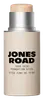 Key Ingredients
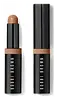
Benefits
Concerns
Ingredients Side-by-side
Caprylic/Capric Triglyceride
Masking


Octyldodecanol
Emollient
Synthetic Wax
Abrasive

Polybutene
Bis-Diglyceryl Polyacyladipate-2
Emollient

Coco-Caprylate/Caprate
Emollient
Lecithin
Emollient
Lauroyl Lysine
Skin Conditioning
Triheptanoin
Skin ConditioningEthylhexyl Palmitate
Emollient

Synthetic Fluorphlogopite
Candida Bombicola/Glucose/Methyl Rapeseedate Ferment
AntimicrobialHydrogenated Polycyclopentadiene
Squalane
Emollient
Butyrospermum Parkii Butter
Skin Conditioning
Helianthus Annuus Seed Oil
Emollient
Ceramide NP
Skin Conditioning


Sodium Hyaluronate
Humectant
Glucomannan
Skin ConditioningTocopherol
Antioxidant



Ascorbic Acid
Antioxidant


Trihydroxystearin
Skin Conditioning
Dilinoleic Acid/Butanediol Copolymer
Castor Oil/Ipdi Copolymer
C9-12 Alkane
SolventDipropylene Glycol
HumectantButylene Glycol
Humectant
Caprylyl Glycol
Emollient
Phenoxyethanol
Preservative
Tin Oxide
Abrasive
Mica
Cosmetic ColorantCI 77891
Cosmetic ColorantCI 77491
Cosmetic ColorantCI 77492
Cosmetic ColorantCI 77499
Cosmetic ColorantCaprylic/Capric Triglyceride, Octyldodecanol, Synthetic Wax, Polybutene, Bis-Diglyceryl Polyacyladipate-2, Coco-Caprylate/Caprate, Lecithin, Lauroyl Lysine, Triheptanoin, Ethylhexyl Palmitate, Synthetic Fluorphlogopite, Candida Bombicola/Glucose/Methyl Rapeseedate Ferment, Hydrogenated Polycyclopentadiene, Squalane, Butyrospermum Parkii Butter, Helianthus Annuus Seed Oil, Ceramide NP, Sodium Hyaluronate, Glucomannan, Tocopherol, Ascorbic Acid, Trihydroxystearin, Dilinoleic Acid/Butanediol Copolymer, Castor Oil/Ipdi Copolymer, C9-12 Alkane, Dipropylene Glycol, Butylene Glycol, Caprylyl Glycol, Phenoxyethanol, Tin Oxide, Mica, CI 77891, CI 77491, CI 77492, CI 77499
Glyceryl Triacetyl Ricinoleate
Emollient
Octyldodecanol
Emollient
Bis-Diglyceryl Polyacyladipate-2
Emollient
Ozokerite
Emulsion StabilisingKaolin
Abrasive

Polyethylene
Abrasive
CI 77120
Cosmetic ColorantCalcium Aluminum Borosilicate
Caprylic/Capric Triglyceride
Masking
Tocopheryl Acetate
Antioxidant
Salicornia Herbacea Extract
Skin ConditioningCommiphora Mukul Resin Extract
Skin ConditioningCoffea Arabica Seed Oil
Masking
Lecithin
Emollient
BHT
Antioxidant
Phenoxyethanol
Preservative
CI 77891
Cosmetic ColorantCI 77491
Cosmetic ColorantCI 77492
Cosmetic ColorantCI 77499
Cosmetic ColorantCI 77163
Cosmetic Colorant
Glyceryl Triacetyl Ricinoleate, Octyldodecanol, Bis-Diglyceryl Polyacyladipate-2, Ozokerite, Kaolin, Polyethylene, CI 77120, Calcium Aluminum Borosilicate, Caprylic/Capric Triglyceride, Tocopheryl Acetate, Salicornia Herbacea Extract, Commiphora Mukul Resin Extract, Coffea Arabica Seed Oil, Lecithin, BHT, Phenoxyethanol, CI 77891, CI 77491, CI 77492, CI 77499, CI 77163
Ingredients Explained
These ingredients are found in both products.
Ingredients higher up in an ingredient list are typically present in a larger amount.
Bis-Diglyceryl Polyacyladipate-2 is a synthetic emollient that works as a lanolin substitute.
This ingredient is a great vegan option for those avoiding animal-derived ingredients.
It mostly stays on the surface of skin where it helps hydrate due to its large molecular size and low water solubility.
Due to it being derived from fatty acids, this ingredient may not be Malassezia or fungal acne safe.
Learn more about Bis-Diglyceryl Polyacyladipate-2Caprylic/Capric Triglyceride (aka MCT Oil) is a lightweight emollient, solvent, and texture enhancer. It is considered a skin-softener by helping to prevent moisture loss.
Though it behaves like an oil, it is not technically one due to its chemical composition. One perk of this ingredient is that it is very stable, resistant to oxidation, and unlikely to go rancid.
In practice, that translates to a long shelf life and a consistently elegant skin feel.
While there is an assumption Caprylic Triglyceride can clog pores due to it being derived from coconut oil, there is no research supporting this. Just patch test if you have concerns.
Fractionated coconut oil and MCT Oil are both listed as Caprylic/Capric Triglyceride according to INCI. This is because INCI names are based on the ingredient’s final chemical composition and not its marketing name or source.
This ingredient is treated as the gold standard fungal acne safe oil. Even though it is coconut derived, the problematic lauric acid is stripped out.
This leaves just caprylic (C8) and capric (C10) acid. These chain lengths actually trend antifungal; a 2020 study found caprylic acid was enough to disrupt Malassezia furfur cell membrane, with a caprylic acid derivative damaging membrane structures at concentrations as low as 0.2%.
Learn more about Caprylic/Capric TriglycerideCi 77491 is also hydrated iron III oxide. It's sole purpose is to give a red/pink hue to products.
Iron III oxides are classified as inorganic chemicals for coloring.
Synthetically created Ci 77491 is considered safer than those naturally found. This is because the synthetically created version may contain less impurities. Iron oxides are generally non-toxic and non-allergenic.
Learn more about CI 77491CI 77492 is also hydrated iron III oxide. It's sole purpose is to give a yellow hue to products.
Iron III oxides are classified as inorganic chemicals for coloring.
Synthetically created CI 77492 is considered safer than those naturally found. This is because the synthetically created version may contain less impurities. Iron oxides are generally non-toxic and non-allergenic.
Learn more about CI 77492Ci 77499 is also hydrated iron III oxide. It is created from mixing red and black iron oxides. This helps give shades of darkness to a product.
Iron III oxides are classified as inorganic chemicals for coloring.
Ci 77891 is a white pigment from Titanium dioxide. It is naturally found in minerals such as rutile and ilmenite.
It's main function is to add a white color to cosmetics. It can also be mixed with other colors to create different shades.
Ci 77891 is commonly found in sunscreens due to its ability to block UV rays.
Learn more about CI 77891Lecithin is a term for a group of substances found in the cell membranes of plants, animals, and humans. They are made up of phospholipids.
Thanks to its amphiphilic structure (water-loving head and oil-loving tail), it is a true multitasker:
It plays well with most ingredients and is typically used at 0.1-1%. However, concentrations up to 50% have been reported in moisturizers.
Learn more about LecithinOctyldodecanol is a fatty alcohol sourced from plant oils like coconut or palm (or made synthetically).
It is:
You'll likely see this in many BHA products because this is the go-to solvent for salicylic acid.
This ingredient is typically used at levels between 2-20%.
Regarding fungal acne:
In 2019, this ingredient was tested against multiple Malassezia species (the yeast that causes fungal acne) and showed no growth.
Phenoxyethanol is one of the most widely used preservatives in skincare (and for good reason!).
It has a large spectrum of antimicrobial activity and especially effective bacteria, yeast, and mold while only having a weak effect on your skin's natural microbiome.
On a cellular level, it disrupts the cell membranes of microbes by poking holes that make the cell leak. This shuts down the chemical reactions the microbe needs to make energy so it can no longer survive.
Another perk of this ingredient is that it stays functional across a wide pH range (3-10).
You'll often see it paired with boosters like Ethylhexylglycerin; one study showed that a 1:9 ratio of Ethylhexylglycerin to Phenoxyethanol damages bacterial membranes as effectively as doubling the Phenoxyethanol concentration on its own.
Typical use concentrations range from 0.3-1% depending on the formula, and this ingredient is capped at 1% int the EU.
Safety-wise, the fear mongering does not hold up to the evidence. The EU's Scientific Committee on Consumer Safety and FDA consider it safe as a preservative at up to 1%, including for children of all ages.
Adverse systemic effects only showed up in animal studies at exposures roughly 200x higher than what people get from cosmetics. And despite its very widespread use, this ingredient is a rare sensitizer and allergic reactions are uncommon.
Learn more about Phenoxyethanol

