This hydrating eye mask is formulated around Niacinamide and Sodium Hyaluronate to hydrate skin and calm redness.


What's inside
What's inside
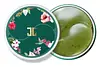 Key Ingredients
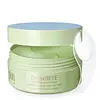
Benefits
Concerns
Ingredients Side-by-side
Water
Skin ConditioningGlycerin
Humectant


Butylene Glycol
Humectant
Niacinamide
Smoothing









Chondrus Crispus
Masking

Potassium Chloride
Tripropylene Glycol
Antioxidant
Dipropylene Glycol
HumectantBetaine
Humectant
Sodium Hyaluronate
Humectant
Paeonia Lactiflora Root Extract
Skin ConditioningGlycyrrhiza Glabra Root Extract
Bleaching
Polygonum Multiflorum Root Extract
Skin ConditioningPhellinus Linteus Extract
Skin ConditioningMorus Alba Bark Extract
Skin ConditioningSophora Angustifolia Root Extract
Skin ConditioningCimicifuga Racemosa Root Extract
Antimicrobial
Sesamum Indicum Seed Extract
Skin Conditioning
Scutellaria Baicalensis Root Extract
Astringent
Angelica Gigas Root Extract
Skin ConditioningPentylene Glycol
Skin Conditioning
Cocos Nucifera Fruit Extract
Emollient
Pinus Sylvestris Leaf Extract
TonicCamellia Sinensis Leaf Powder 0.2%
Saururus Chinensis Extract
Skin ConditioningCeratonia Siliqua Gum
EmollientSucrose
Humectant
Isopropyl Alcohol
Solvent



Calcium Chloride
AstringentCyamopsis Tetragonoloba Gum
Emulsion StabilisingCellulose Gum
Emulsion StabilisingChondrus Crispus Powder
Abrasive
Allantoin
Skin Conditioning
Adenosine
Skin Conditioning
Disodium EDTA
ChelatingCalcium Lactate
AstringentEthyl Hexanediol
Solvent1,2-Hexanediol
Skin Conditioning
Propanediol
Solvent
Caprylyl Glycol
Emollient
Ethylhexylglycerin
Skin ConditioningCI 77288
Cosmetic ColorantPolyglyceryl-10 Laurate
Skin Conditioning
Parfum
Masking

Chlorphenesin
Antimicrobial
Water, Glycerin, Butylene Glycol, Niacinamide, Chondrus Crispus, Potassium Chloride, Tripropylene Glycol, Dipropylene Glycol, Betaine, Sodium Hyaluronate, Paeonia Lactiflora Root Extract, Glycyrrhiza Glabra Root Extract, Polygonum Multiflorum Root Extract, Phellinus Linteus Extract, Morus Alba Bark Extract, Sophora Angustifolia Root Extract, Cimicifuga Racemosa Root Extract, Sesamum Indicum Seed Extract, Scutellaria Baicalensis Root Extract, Angelica Gigas Root Extract, Pentylene Glycol, Cocos Nucifera Fruit Extract, Pinus Sylvestris Leaf Extract, Camellia Sinensis Leaf Powder 0.2%, Saururus Chinensis Extract, Ceratonia Siliqua Gum, Sucrose, Isopropyl Alcohol, Calcium Chloride, Cyamopsis Tetragonoloba Gum, Cellulose Gum, Chondrus Crispus Powder, Allantoin, Adenosine, Disodium EDTA, Calcium Lactate, Ethyl Hexanediol, 1,2-Hexanediol, Propanediol, Caprylyl Glycol, Ethylhexylglycerin, CI 77288, Polyglyceryl-10 Laurate, Parfum, Chlorphenesin
Water
Skin ConditioningGlycerin
Humectant
Calcium Chloride
AstringentCeratonia Siliqua Gum
EmollientXanthan Gum
Emulsifying1,2-Hexanediol
Skin Conditioning
Pentylene Glycol
Skin Conditioning
Allantoin
Skin Conditioning
Butyrospermum Parkii Butter
Skin Conditioning
Caffeine
Skin Conditioning
Hydroxyacetophenone
Antioxidant
Chondrus Crispus Powder
Abrasive
Niacinamide
Smoothing
Cocos Nucifera Fruit Extract
Emollient
Polyglyceryl-10 Laurate
Skin Conditioning
Ethylhexylglycerin
Skin ConditioningCellulose Gum
Emulsion StabilisingSodium Phytate
ChelatingEuterpe Oleracea Fruit Extract
Dipotassium Glycyrrhizate
Humectant
Ribes Nigrum Leaf Extract
Perfuming
Rubus Coreanus Fruit Extract
Skin ConditioningRubus Idaeus Fruit Extract
AstringentCamellia Sinensis Leaf Extract
Antimicrobial
Chamomilla Recutita Flower Extract
Masking
Pinus Sylvestris Leaf Extract
TonicVaccinium Angustifolium Fruit Extract
Skin Protecting
Arginine
Masking
Arnica Montana Flower Extract
Masking
Camellia Japonica Flower Extract
EmollientSodium Hyaluronate
Humectant
Gold
Cosmetic ColorantCucumis Sativus Fruit Extract
Emollient
Aloe Barbadensis Leaf Extract
Emollient
Phenoxyethanol
Preservative
CI 77288
Cosmetic ColorantWater, Glycerin, Calcium Chloride, Ceratonia Siliqua Gum, Xanthan Gum, 1,2-Hexanediol, Pentylene Glycol, Allantoin, Butyrospermum Parkii Butter, Caffeine, Hydroxyacetophenone, Chondrus Crispus Powder, Niacinamide, Cocos Nucifera Fruit Extract, Polyglyceryl-10 Laurate, Ethylhexylglycerin, Cellulose Gum, Sodium Phytate, Euterpe Oleracea Fruit Extract, Dipotassium Glycyrrhizate, Ribes Nigrum Leaf Extract, Rubus Coreanus Fruit Extract, Rubus Idaeus Fruit Extract, Camellia Sinensis Leaf Extract, Chamomilla Recutita Flower Extract, Pinus Sylvestris Leaf Extract, Vaccinium Angustifolium Fruit Extract, Arginine, Arnica Montana Flower Extract, Camellia Japonica Flower Extract, Sodium Hyaluronate, Gold, Cucumis Sativus Fruit Extract, Aloe Barbadensis Leaf Extract, Phenoxyethanol, CI 77288
Reviews
Ingredients Explained
These ingredients are found in both products.
Ingredients higher up in an ingredient list are typically present in a larger amount.
1,2-Hexanediol is a synthetic liquid and another multi-functional powerhouse.
It is a:
- Humectant, drawing moisture into the skin
- Emollient, helping to soften skin
- Solvent, dispersing and stabilizing formulas
- Preservative booster, enhancing the antimicrobial activity of other preservatives
Allantoin is a soothing ingredient known for its protective and moisturizing properties; it's basically a quiet workhorse ingredient you can find in a huge range of cosmetics.
Though it can be derived from the comfrey plant, allantoin is produced synthetically for cosmetic products to ensure purity.
Research shows it can encourage your skin cells to turn over and renew by stimulating keratinocyte and fibroblast proliferation.
It also has mild keratolytic properties to help loosen and shed dead skin cells without being harsh.
Studies also suggest allantoin can help calm inflammation by dialing down some of the chemical signals your skin sends out when it is irritated.
This ingredient is typically used in the 0.1-0.5% range, and the FDA recognizes it as a skin protectant in OTC products up to 2%.
Overall, allantoin is a wonderful addition to most routines; it is stable across a wide pH range (~4-8), works well with other ingredients, and is considered non-sensitizing/non-irritating.
Fun fact: Allantoin is naturally occurring in comfrey root, beets, chamomile, and wheat sprouts. Our bodies even produce it as a byproduct of uric acid metabolism.
Learn more about AllantoinCalcium chloride is a white, odorless, crystalline solid. It is an astringent and can be used to change the viscosity of products.
This ingredient is highly soluble in water, acetic acid, and ethanol.
There are many forms of this ingredient, including monohydrate, dihydrate, tetrahydrate, and hexahydrate.
Learn more about Calcium ChlorideCellulose Gum is a water-soluble polymer that comes from cellulose. It is used to change the texture of a product and to help stabilize emulsions.
As an emulsifier, cellulose gum specifically thicken the texture of water-based products.
This ingredient is considered hypoallergenic and non-toxic. Cellulose Gum can be found in cosmetics, food, and other household goods such as paper products.
Learn more about Cellulose GumCeratonia Siliqua Gum is extracted from the seeds of the carob tree. You might know this ingredient as Carob Gum or Locust Bean Gum. It is used to stabilize other ingredients and improve the texture of products.
Carob gum is made up of long-chain polysaccharides. This makes it a natural thickener.
Yes! This ingredient comes from the seeds of a tree. The name 'Locust Bean Gum' can be misleading.
Learn more about Ceratonia Siliqua GumChondrus Crispus Powder is just Irish moss, a red seaweed harvested, dried, and ground into a fine powder. Because it's the whole plant rather than a liquid extract, it has an official INCI job as an "abrasive".
This ingredient also happens to be loaded with carrageenan, a sugar-based polysaccharide, that allows it to double as a thickener and light hydrator.
Real world concentration is low; industry surveys report a maximum of 0.1% across 63 leave-on products.
The Cosmetic Ingredient Review Expert Panel reviewed it in 2021 and concluded it's safe at current use levels and every human sensitization study on it came back negative.
Allergy risk is very low with no documented pattern of reactions but anyone with a known seaweed or iodine sensitivity may want to patch test since dried Chondrus crispus does carry a small amount of natural iodine.
Learn more about Chondrus Crispus PowderCi 77288 is used to add green pigment to products.
Cocos Nucifera Fruit Extract (coconut extract) is a water-soluble extract from coconut fruit.
It's a skin conditioning agent that helps keep the skin soft and hydrated. This ingredient is different from coconut oil with a totally different composition.
Direct research on this extract is limited and mostly comes from supplier safety dossiers:
Human testing found it to be non-irritating or sensitizing in a 50-subject occlusive patch test.
Real-world concentrations are very low: industry survey data puts it at 0.0007% to 0.02% in face and neck products, 0.0005% in moisturizers and cleansers, and up to 0.04% in hair conditioners.
Most human clinical skin research on coconut is on virgin coconut oil and not this extract. For example, a randomized double-blind trial found virgin coconut oil as effective and safe as mineral oil for mild to moderate xerosis with significant improvement in hydration and skin surface lipids. However, you can't transfer that to a water-based fruit extract at 0.01%.
There's no comedogenicity data for this specific ingredient; the "coconut clogs pores" reputation comes from coconut oil which scored high on the old rabbit ear assay.
That method tested pure ingredients on rabbit ears and later work showed the results translate inconsistently to human skin.
Some people still find it breaks them out. So if that's you, definitely trust your skin.
Learn more about Cocos Nucifera Fruit ExtractEthylhexylglycerin is created from glycerin. It is a multitasker ingredient that:
The CIR Expert Panel found minimal skin absorption or sensitization of any kind in a safety assessment. Though this ingredient is considered well-tolerated, a small number of cases of allergic dermatitis have been published since 2002. Just be sure to patch test if you are unsure.
Industry-reported use ranges from 8% in rinse-off products and 2% in leave-on formulations.
Learn more about EthylhexylglycerinGlycerin (or glycerol) is a compound naturally found in your skin. It's a powerhouse humectant that pulls water into the stratum corneum.
Topically, glycerin does several things at once:
Your skin makes glycerin on its own (mostly from sebaceous oil breakdown) and shuttles it to your outermost layer of skin, or your epidermis, via aquaporin-3.
Aquaporin-3 is a transporter that is essential for normal skin hydration, elasticity, and repair. Interestingly, mice lacking in AQP3 have dry and less elastic skin that can be fully corrected with glycerin.
This ingredient is non-irritating, plays well with almost every ingredient, and works across all skin types. Typical use is anywhere between 3-10% but can go up to 79% in some leave-on products.
Just know very high concentrations (>40%) can feel tacky in low humidity.
Glycerin is the name for this ingredient in American English. British English uses Glycerol/Glycerine.
Learn more about GlycerinNiacinamide is a multitasking form of vitamin B3 that strengthens the skin barrier, reduces pores and dark spots, regulates oil, and improves signs of aging.
And the best part? It's gentle and well-tolerated by most skin types, including sensitive and reactive skin.
You might have heard of "niacin flush", or the reddening of skin that causes itchiness. Niacinamide has not been found to cause this.
In very rare cases, some individuals may not be able to tolerate niacinamide at all or experience an allergic reaction to it.
If you are experiencing flaking, irritation, and dryness with this ingredient, be sure to double check all your products as this ingredient can be found in all categories of skincare.
When incorporating niacinamide into your routine, look out for concentration amounts. Typically, 5% niacinamide provides benefits such as fading dark spots. However, if you have sensitive skin, it is better to begin with a smaller concentration.
When you apply niacinamide to your skin, your body converts it into nicotinamide adenine dinucleotide (NAD). NAD is an essential coenzyme that is already found in your cells as "fuel" and powers countless biological processes.
In your skin, NAD helps repair cell damage, produce new healthy cells, support collagen production, strengthen the skin barrier, and fight environmental stressors (like UV and pollution).
Our natural NAD levels start to decline with age, leading to slower skin repair, visible aging, and a weaker skin barrier. By providing your skin niacinamide, you're recharging your skin's NAD levels. This leads to stronger, healthier, and younger looking skin.
Another name for vitamin B3 is nicotinamide. This vitamin is water-soluble and our bodies don't store it. We obtain Vitamin B3 from either food or skincare. Meat, fish, wheat, yeast, and leafy greens contain vitamin B3.
The type of niacinamide used in skincare is synthetically created.
Learn more about NiacinamidePentylene Glycol (1,2-pentanediol) is a multitasking little diol with three main roles in a formula:
Research on alkanediols (the family pentylene glycol belongs to) show they work by disrupting microbial cell membranes. This disruption helps the primary preservative system in a product work more effectively at lower doses.
On the safety side, the Cosmetic Ingredient Review Expert Panel has concluded this ingredient to be safe as used in current cosmetic practices + concentrations.
Typical use levels in a formula run about 1-5%.
Learn more about Pentylene GlycolWe don't have a description for Pinus Sylvestris Leaf Extract yet.
Polyglyceryl-10 Laurate is a cleansing agent and emulsifier.
It rounds up dirt, oil, and grime, so they can be rinsed off easily as a cleanser.
On the emulsifier side, it keeps your formula smooth and well-mixed by playing peacekeeper for ingredients that don't naturally get along (like oil and water).
Because it has a C12 (lauric acid) fatty acid chain, this ingredient can potentially feed the Malassezia yeast that causes fungal acne. The Malassezia yeast prefers esters with C11-C24 fatty acids.
This ingredient is an ester of lauric acid and Polyglycerin-10.
Learn more about Polyglyceryl-10 LaurateSodium Hyaluronate is the salt form of hyaluronic acid. It is a long sugar chain that is naturally found in your skin, joints, and connective tissue that maintains hydration and elasticity.
In skincare, it works as a humectant. It pulls water from the environment and deeper layers of skin and binds it to the surface.
Interestingly, the size of the molecule affects its behavior:
Some clinical evidence links low molecular weight versions to improved wrinkle depth, elasticity, anti-inflammatory effects, and barrier repair.
Many serums use a blend of both weights so you can get surface hydration plus longer-lasting and deeper effects.
You'll typically see concentrations between 0.1-2% for this ingredient.
Learn more about Sodium HyaluronateWater. It's the most common cosmetic ingredient of all. You'll usually see it at the top of ingredient lists, meaning that it makes up the largest part of the product.
So why is it so popular? Water most often acts as a solvent - this means that it helps dissolve other ingredients into the formulation.
You'll also recognize water as that liquid we all need to stay alive. If you see this, drink a glass of water. Remember to stay hydrated!
Learn more about Water

