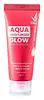
This brightening moisturizer is formulated around Niacinamide and Sodium Hyaluronate to brighten dull-looking skin and hydrate skin.
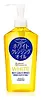
This oil-based cleanser is mild enough to cleanse without leaving skin feeling tight or stripped.


What's inside
What's inside
 Key Ingredients
Benefits
Concerns
Ingredients Side-by-side
Rubus Fruticosus Fruit Extract
AstringentRubus Idaeus Fruit Extract
AstringentFragaria Chiloensis Fruit Extract
Skin Conditioning
Vaccinium Angustifolium Fruit Extract
Skin Protecting
Vaccinium Macrocarpon Fruit Extract
AstringentRibes Nigrum Fruit Extract
Astringent
Euterpe Oleracea Fruit Extract
Morus Nigra Fruit Extract
Skin ConditioningVaccinium Myrtillus Fruit Extract
Skin ConditioningLycium Chinense Fruit Extract
Antioxidant
Cyclopentasiloxane
Emollient
Glycerin
Humectant

PEG-10 Dimethicone/Vinyl Dimethicone Crosspolymer
Stabilising
Cyclohexasiloxane
Emollient
Niacinamide
Smoothing








Magnesium Sulfate
Sodium Hyaluronate
Humectant
Ananas Sativus Fruit Water
Skin ConditioningAnanas Sativus Fruit Extract
Skin ConditioningAnanas Sativus Fruit Juice
Skin ConditioningAscorbyl Tetraisopalmitate
Antioxidant


Allantoin
Skin Conditioning
Ethylhexyl Methoxycinnamate
UV Absorber


Butylene Glycol
Humectant
Panthenol
Skin Conditioning
Tocopheryl Acetate
Antioxidant
Dimethiconol
Emollient
Phenoxyethanol
Preservative
Chlorphenesin
Antimicrobial
CI 16035
Cosmetic ColorantParfum
Masking

Rubus Fruticosus Fruit Extract, Rubus Idaeus Fruit Extract, Fragaria Chiloensis Fruit Extract, Vaccinium Angustifolium Fruit Extract, Vaccinium Macrocarpon Fruit Extract, Ribes Nigrum Fruit Extract, Euterpe Oleracea Fruit Extract, Morus Nigra Fruit Extract, Vaccinium Myrtillus Fruit Extract, Lycium Chinense Fruit Extract, Cyclopentasiloxane, Glycerin, PEG-10 Dimethicone/Vinyl Dimethicone Crosspolymer, Cyclohexasiloxane, Niacinamide, Magnesium Sulfate, Sodium Hyaluronate, Ananas Sativus Fruit Water, Ananas Sativus Fruit Extract, Ananas Sativus Fruit Juice, Ascorbyl Tetraisopalmitate, Allantoin, Ethylhexyl Methoxycinnamate, Butylene Glycol, Panthenol, Tocopheryl Acetate, Dimethiconol, Phenoxyethanol, Chlorphenesin, CI 16035, Parfum
Paraffinum Liquidum
Emollient

Cyclomethicone
Emollient
Carthamus Tinctorius Seed Oil
Masking
Tocopherol
Antioxidant
Simmondsia Chinensis Seed Oil
Emollient
Glycerin
Humectant
Water
Skin ConditioningPhenoxyethanol
Preservative
Prunus Armeniaca Kernel Oil
Masking
Isopropyl Myristate
Emollient
Zea Mays Oil
Emulsifying
Ascorbyl Dipalmitate
Antioxidant
Polyglyceryl-2 Diisostearate
Emulsifying
Rosa Rubiginosa Seed Oil
Emollient
Trilaureth-4 Phosphate
EmulsifyingOlea Europaea Fruit Oil
Masking
Oryza Sativa Bran Oil
Emollient
Sesamum Indicum Seed Oil
Emollient
Cetyl Ethylhexanoate
EmollientHelianthus Annuus Seed Oil
Emollient
Propylene Glycol Dicaprate
EmollientOrange Roughy Oil
Skin Conditioning
Sorbeth-30 Tetraoleate
Emulsifying
Butyrospermum Parkii Butter
Skin Conditioning
PEG-8 Glyceryl Isostearate
Emollient
Coix Lacryma-Jobi Ma-Yuen Seed Oil
Skin Conditioning
Paraffinum Liquidum, Cyclomethicone, Carthamus Tinctorius Seed Oil, Tocopherol, Simmondsia Chinensis Seed Oil, Glycerin, Water, Phenoxyethanol, Prunus Armeniaca Kernel Oil, Isopropyl Myristate, Zea Mays Oil, Ascorbyl Dipalmitate, Polyglyceryl-2 Diisostearate, Rosa Rubiginosa Seed Oil, Trilaureth-4 Phosphate, Olea Europaea Fruit Oil, Oryza Sativa Bran Oil, Sesamum Indicum Seed Oil, Cetyl Ethylhexanoate, Helianthus Annuus Seed Oil, Propylene Glycol Dicaprate, Orange Roughy Oil, Sorbeth-30 Tetraoleate, Butyrospermum Parkii Butter, PEG-8 Glyceryl Isostearate, Coix Lacryma-Jobi Ma-Yuen Seed Oil
Reviews
Ingredients Explained
These ingredients are found in both products.
Ingredients higher up in an ingredient list are typically present in a larger amount.
Glycerin (or glycerol) is a compound naturally found in your skin. It's a powerhouse humectant that pulls water into the stratum corneum.
Topically, glycerin does several things at once:
Your skin makes glycerin on its own (mostly from sebaceous oil breakdown) and shuttles it to your outermost layer of skin, or your epidermis, via aquaporin-3.
Aquaporin-3 is a transporter that is essential for normal skin hydration, elasticity, and repair. Interestingly, mice lacking in AQP3 have dry and less elastic skin that can be fully corrected with glycerin.
This ingredient is non-irritating, plays well with almost every ingredient, and works across all skin types. Typical use is anywhere between 3-10% but can go up to 79% in some leave-on products.
Just know very high concentrations (>40%) can feel tacky in low humidity.
Glycerin is the name for this ingredient in American English. British English uses Glycerol/Glycerine.
Learn more about GlycerinPhenoxyethanol is one of the most widely used preservatives in skincare (and for good reason!).
It has a large spectrum of antimicrobial activity and especially effective bacteria, yeast, and mold while only having a weak effect on your skin's natural microbiome.
On a cellular level, it disrupts the cell membranes of microbes by poking holes that make the cell leak. This shuts down the chemical reactions the microbe needs to make energy so it can no longer survive.
Another perk of this ingredient is that it stays functional across a wide pH range (3-10).
You'll often see it paired with boosters like Ethylhexylglycerin; one study showed that a 1:9 ratio of Ethylhexylglycerin to Phenoxyethanol damages bacterial membranes as effectively as doubling the Phenoxyethanol concentration on its own.
Typical use concentrations range from 0.3-1% depending on the formula, and this ingredient is capped at 1% int the EU.
Safety-wise, the fear mongering does not hold up to the evidence. The EU's Scientific Committee on Consumer Safety and FDA consider it safe as a preservative at up to 1%, including for children of all ages.
Adverse systemic effects only showed up in animal studies at exposures roughly 200x higher than what people get from cosmetics. And despite its very widespread use, this ingredient is a rare sensitizer and allergic reactions are uncommon.
Learn more about Phenoxyethanol

