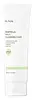
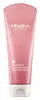
iUNIK Centella Mild Cleansing Foam Versus Frudia Pomegranate Nutri-Moisturizing Sticky Cleansing Foam
This salicylic acid foaming cleanser is formulated around Salicylic Acid to clear breakouts and unclog pores.

What's inside
What's inside
 Key Ingredients
Benefits
Concerns
Ingredients Side-by-side
Water
Skin ConditioningSodium Cocoyl Isethionate
Cleansing
Glycerin
Humectant


Sodium Cocoyl Glycinate
Cleansing
Coco-Betaine
Cleansing
1,2-Hexanediol
Skin Conditioning
Coconut Acid
Cleansing

Sodium Methyl Cocoyl Taurate
Cleansing
Glyceryl Stearate
Emollient
Stearyl Alcohol
Emollient
Sodium Chloride
MaskingCaprylyl Glycol
Emollient
Butylene Glycol
Humectant
Pentylene Glycol
Skin Conditioning
Sodium Isethionate
CleansingSalicylic Acid
Masking









Polyquaternium-67
Hydroxyacetophenone
Antioxidant
Centella Asiatica Extract
Cleansing


Allantoin
Skin Conditioning
Panthenol
Skin Conditioning
Pinus Sylvestris Leaf Oil
Masking
Triticum Vulgare Sprout Extract
Skin ConditioningBrassica Oleracea Italica Extract
AstringentBrassica Oleracea Capitata Leaf Extract
Skin ConditioningMedicago Sativa Extract
TonicRaphanus Sativus Seed Extract
Skin ConditioningBrassica Campestris Extract
Skin ConditioningDisodium EDTA
Water, Sodium Cocoyl Isethionate, Glycerin, Sodium Cocoyl Glycinate, Coco-Betaine, 1,2-Hexanediol, Coconut Acid, Sodium Methyl Cocoyl Taurate, Glyceryl Stearate, Stearyl Alcohol, Sodium Chloride, Caprylyl Glycol, Butylene Glycol, Pentylene Glycol, Sodium Isethionate, Salicylic Acid, Polyquaternium-67, Hydroxyacetophenone, Centella Asiatica Extract, Allantoin, Panthenol, Pinus Sylvestris Leaf Oil, Triticum Vulgare Sprout Extract, Brassica Oleracea Italica Extract, Brassica Oleracea Capitata Leaf Extract, Medicago Sativa Extract, Raphanus Sativus Seed Extract, Brassica Campestris Extract, Disodium EDTA
Water
Skin ConditioningAmmonium Lauryl Sulfate
Cleansing
Ammonium Laureth Sulfate
Cleansing
Cocamidopropyl Betaine
Cleansing
Acrylates/Vinyl Neodecanoate Crosspolymer
Emulsion StabilisingSodium Chloride
MaskingPotassium Hydroxide
BufferingBetaine
Humectant
Erythritol
Humectant
Citrus Iyo Peel Extract
HumectantTitanium Dioxide
Cosmetic Colorant

Butylene Glycol
Humectant
Sodium Amps
Hexylene Glycol
EmulsifyingPassiflora Edulis Fruit Extract
Skin ConditioningOleth-10
EmulsifyingPolysorbate 60
Emulsifying
Beta-Glucan
Skin Conditioning
Silica
Abrasive
Triethoxycaprylylsilane

Sodium Hyaluronate
Humectant
Tetrasodium Glutamate Diacetate
Honey Extract
Humectant
Ethylhexylglycerin
Skin ConditioningDisodium EDTA
Chlorphenesin
Antimicrobial
Linalool
Perfuming

Limonene
Perfuming
Benzyl Benzoate
Antimicrobial
Hexyl Cinnamal
Perfuming
Water, Ammonium Lauryl Sulfate, Ammonium Laureth Sulfate, Cocamidopropyl Betaine, Acrylates/Vinyl Neodecanoate Crosspolymer, Sodium Chloride, Potassium Hydroxide, Betaine, Erythritol, Citrus Iyo Peel Extract, Titanium Dioxide, Butylene Glycol, Sodium Amps, Hexylene Glycol, Passiflora Edulis Fruit Extract, Oleth-10, Polysorbate 60, Beta-Glucan, Silica, Triethoxycaprylylsilane, Sodium Hyaluronate, Tetrasodium Glutamate Diacetate, Honey Extract, Ethylhexylglycerin, Disodium EDTA, Chlorphenesin, Linalool, Limonene, Benzyl Benzoate, Hexyl Cinnamal
Reviews
Ingredients Explained
These ingredients are found in both products.
Ingredients higher up in an ingredient list are typically present in a larger amount.
Butylene Glycol (or BG) is used within cosmetic products for a few different reasons:
Overall, Butylene Glycol is a safe and well-rounded ingredient that works well with other ingredients.
Though this ingredient works well with most skin types, some people with sensitive skin may experience a reaction such as allergic rashes, closed comedones, or itchiness.
Learn more about Butylene GlycolDisodium EDTA is a chelating agent. It grabs onto and deactivates metal ions that sneak into your products from water, packaging, or air.
This ingredient mainly works behind the scenes and helps with:
On top of that, this ingredient can counteract the effects of hard water by binding to the minerals in it.
One thing worth knowing is that Disodium EDTA has been shown to be a mild penetration enhancer. It can help other ingredients absorb into skin more effectively which can be a double-edged sword (great for actives, but can also make the active too strong if you have sensitive skin).
Clinical patch testing showed no significant skin irritation at typical use concentrations and minimal dermal absorption.
You'll most likely see this ingredient near the end of an ingredient list. It's typically found in concentrations less than 1%.
Learn more about Disodium EDTAChances are, you eat sodium chloride every day. Sodium Chloride is also known as table salt. This ingredient has many purposes in skincare: thickener, emulsifier, and exfoliator.
You'll most likely find this ingredient in cleansers where it is used to create a gel-like texture. As an emulsifier, it also prevents ingredients from separating.
You might see people debate whether Sodium Chloride is comedogenic, but there actually haven't been any comedogenic tests done on it. Either way, the overall formulation of a product matters a lot more than any single ingredient.
You might see this ingredient used in scrubs as a primary exfoliating ingredient.
Learn more about Sodium ChlorideWater. It's the most common cosmetic ingredient of all. You'll usually see it at the top of ingredient lists, meaning that it makes up the largest part of the product.
So why is it so popular? Water most often acts as a solvent - this means that it helps dissolve other ingredients into the formulation.
You'll also recognize water as that liquid we all need to stay alive. If you see this, drink a glass of water. Remember to stay hydrated!
Learn more about Water

