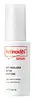
This anti-aging serum is formulated around Retinol and Niacinamide to soften the look of wrinkles and refine skin texture.
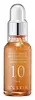
This anti-aging serum is formulated around Polyglutamic Acid and Astaxanthin to soften the look of wrinkles and hydrate skin.

What's inside
What's inside
 Key Ingredients
Benefits
Concerns
Ingredients Side-by-side
Water
Skin ConditioningCaprylic/Capric Triglyceride
Masking


Glycerin
Humectant
Butylene Glycol
Humectant
Polysorbate 60
Emulsifying

Cetearyl Alcohol
Emollient



Hydrogenated Polyisobutene
EmollientMethyl Glucose Sesquistearate
Emollient
Propanediol
Solvent
Glyceryl Stearate
Emollient
Tocopheryl Acetate
Antioxidant


Stearic Acid
Cleansing
Squalane
Emollient
Glyceryl Caprylate
EmollientEthylhexylglycerin
Skin ConditioningNiacinamide
Smoothing







Polyacrylamide
C13-14 Isoparaffin
Emollient
Adenosine
Skin Conditioning
Carbomer
Emulsion StabilisingCaramel
Cosmetic ColorantTromethamine
BufferingXanthan Gum
EmulsifyingLaureth-7
EmulsifyingDisodium EDTA
ChelatingMacadamia Ternifolia Seed Oil
Emollient
Alcohol
Antimicrobial


1,2-Hexanediol
Skin Conditioning
Hydrogenated Lecithin
Emulsifying
Polysorbate 20
Emulsifying
Retinol
Skin Conditioning
Brassica Campestris Sterols
EmollientCeramide NP
Skin Conditioning
CI 19140
Cosmetic ColorantCholesterol
Emollient
Water, Caprylic/Capric Triglyceride, Glycerin, Butylene Glycol, Polysorbate 60, Cetearyl Alcohol, Hydrogenated Polyisobutene, Methyl Glucose Sesquistearate, Propanediol, Glyceryl Stearate, Tocopheryl Acetate, Stearic Acid, Squalane, Glyceryl Caprylate, Ethylhexylglycerin, Niacinamide, Polyacrylamide, C13-14 Isoparaffin, Adenosine, Carbomer, Caramel, Tromethamine, Xanthan Gum, Laureth-7, Disodium EDTA, Macadamia Ternifolia Seed Oil, Alcohol, 1,2-Hexanediol, Hydrogenated Lecithin, Polysorbate 20, Retinol, Brassica Campestris Sterols, Ceramide NP, CI 19140, Cholesterol
Water
Skin ConditioningButylene Glycol
Humectant
Glycerin
Humectant
Polyglutamic Acid
Skin Conditioning
Pseudoalteromonas Ferment Extract
Humectant
Astaxanthin
Skin Conditioning
Lactose
HumectantTocopheryl Acetate
Antioxidant
Ubiquinone
Antioxidant
Ceramide NP
Skin Conditioning
CI 77492
Cosmetic ColorantDipropylene Glycol
HumectantEthyl Hexanediol
SolventCarbomer
Emulsion StabilisingTriethanolamine
BufferingEthylhexylglycerin
Skin ConditioningCellulose
Absorbent
Disodium EDTA
ChelatingCholesterol
Emollient
Hydroxypropyl Methylcellulose
Emulsion StabilisingBHT
Antioxidant
Caprylic/Capric Triglyceride
Masking
Phospholipids
Skin Conditioning
Parfum
Masking

Water, Butylene Glycol, Glycerin, Polyglutamic Acid, Pseudoalteromonas Ferment Extract, Astaxanthin, Lactose, Tocopheryl Acetate, Ubiquinone, Ceramide NP, CI 77492, Dipropylene Glycol, Ethyl Hexanediol, Carbomer, Triethanolamine, Ethylhexylglycerin, Cellulose, Disodium EDTA, Cholesterol, Hydroxypropyl Methylcellulose, BHT, Caprylic/Capric Triglyceride, Phospholipids, Parfum
Ingredients Explained
These ingredients are found in both products.
Ingredients higher up in an ingredient list are typically present in a larger amount.
Butylene Glycol (or BG) is used within cosmetic products for a few different reasons:
Overall, Butylene Glycol is a safe and well-rounded ingredient that works well with other ingredients.
Though this ingredient works well with most skin types, some people with sensitive skin may experience a reaction such as allergic rashes, closed comedones, or itchiness.
Learn more about Butylene GlycolCaprylic/Capric Triglyceride (aka MCT Oil) is a lightweight emollient, solvent, and texture enhancer. It is considered a skin-softener by helping to prevent moisture loss.
Though it behaves like an oil, it is not technically one due to its chemical composition. One perk of this ingredient is that it is very stable, resistant to oxidation, and unlikely to go rancid.
In practice, that translates to a long shelf life and a consistently elegant skin feel.
While there is an assumption Caprylic Triglyceride can clog pores due to it being derived from coconut oil, there is no research supporting this. Just patch test if you have concerns.
Fractionated coconut oil and MCT Oil are both listed as Caprylic/Capric Triglyceride according to INCI. This is because INCI names are based on the ingredient’s final chemical composition and not its marketing name or source.
This ingredient is treated as the gold standard fungal acne safe oil. Even though it is coconut derived, the problematic lauric acid is stripped out.
This leaves just caprylic (C8) and capric (C10) acid. These chain lengths actually trend antifungal; a 2020 study found caprylic acid was enough to disrupt Malassezia furfur cell membrane, with a caprylic acid derivative damaging membrane structures at concentrations as low as 0.2%.
Learn more about Caprylic/Capric TriglycerideCarbomer is a synthetic thickening and gelling agent. It's basically the ingredient that gives a lot of serums, gels, creams, and sunscreens their smooth, non-sticky texture.
Although legally permitted at very high levels, carbomers are normally used at concentrations below 1%.
It also needs to be neutralized to actually thicken, and because it is a large molecule, it doesn't really penetrate the skin barrier.
Allergy-wise, the risk is very low. Clinical studies show carbomers have low potential for skin irritation/sensitization even at concentrations up to 100%.
A 2024 UK study patch-tested 1,302 patients and found true allergy to the parent group of carbomer to be rare with no confirmed relevant reactions.
Learn more about CarbomerCeramide NP (formerly known as Ceramide 3) is one of the skin's naturally occurring lipids.
Since ceramides are the major lipid components of the skin, they are crucial for maintaining skin barrier and hydration. Ceramide NP most closely mirrors the dominant kind in human skin amongst ceramide subtypes.
This ceramide works by slotting into gaps within the stratum corneum's lipid matrix to limit trans-epidermal water loss (TEWL) and shield the skin against external irritants.
A study with 312 patients found that using a ceramide-containing routine for 4 weeks reduced the severity of atopic dermatitis by over 61%.
Another clinical study in subjects aged 60 and older found that a ceramide body wash and moisturizer improved skin dryness and itchy skin in 15 days.
Overall, ceramides are considered non-irritating and safety tests have found little to no observable adverse effects from using this ingredient.
Ceramide NP is usually sourced from plants (like soybean or rice bran), or produced synthetically.
Learn more about Ceramide NPCholesterol is a lipid that is naturally found in human skin and is one of the three key components of your skin barrier. In skincare, it is an emollient and barrier-repairing ingredient.
It works by fitting directly into the lipid layers of skin to help restore structure and reduce transepidermal water loss (TEWL).
This is a great ingredient for dry, compromised, or aging skin; our skin starts to produce less cholesterol with age.
Research shows cholesterol works best in combination with ceramides and fatty acids, the other two major components in your skin barrier.
Cholesterol is also a well-establish penetration enhancer and can help other actives absorb more effectively.
Cosmetic-grade cholesterol is usually derived from lanolin but plant and synthetic options also exist. We recommend reaching out to the brand if you have questions about their source of cholesterol.
Learn more about CholesterolDisodium EDTA is a chelating agent. It grabs onto and deactivates metal ions that sneak into your products from water, packaging, or air.
This ingredient mainly works behind the scenes and helps with:
On top of that, this ingredient can counteract the effects of hard water by binding to the minerals in it.
One thing worth knowing is that Disodium EDTA has been shown to be a mild penetration enhancer. It can help other ingredients absorb into skin more effectively which can be a double-edged sword (great for actives, but can also make the active too strong if you have sensitive skin).
Clinical patch testing showed no significant skin irritation at typical use concentrations and minimal dermal absorption.
You'll most likely see this ingredient near the end of an ingredient list. It's typically found in concentrations less than 1%.
Learn more about Disodium EDTAEthylhexylglycerin is created from glycerin. It is a multitasker ingredient that:
The CIR Expert Panel found minimal skin absorption or sensitization of any kind in a safety assessment. Though this ingredient is considered well-tolerated, a small number of cases of allergic dermatitis have been published since 2002. Just be sure to patch test if you are unsure.
Industry-reported use ranges from 8% in rinse-off products and 2% in leave-on formulations.
Learn more about EthylhexylglycerinGlycerin (or glycerol) is a compound naturally found in your skin. It's a powerhouse humectant that pulls water into the stratum corneum.
Topically, glycerin does several things at once:
Your skin makes glycerin on its own (mostly from sebaceous oil breakdown) and shuttles it to your outermost layer of skin, or your epidermis, via aquaporin-3.
Aquaporin-3 is a transporter that is essential for normal skin hydration, elasticity, and repair. Interestingly, mice lacking in AQP3 have dry and less elastic skin that can be fully corrected with glycerin.
This ingredient is non-irritating, plays well with almost every ingredient, and works across all skin types. Typical use is anywhere between 3-10% but can go up to 79% in some leave-on products.
Just know very high concentrations (>40%) can feel tacky in low humidity.
Glycerin is the name for this ingredient in American English. British English uses Glycerol/Glycerine.
Learn more about GlycerinTocopheryl Acetate is a stable, shelf-friendly form of vitamin E.
Formulators love it because plain vitamin E oxidizes quickly once it hits air. This acetate version stays stable and resists going off, helping to extend a product's shelf life.
It's actually inactive on its own and works like a slow-release "storage" form; the enzymes in your skin called esterases gradually convert it into active vitamin E over time.
One in vivo study showed 5% of the acetate in the living layer of the epidermis converted to vitamin E after 5 days of application. This study also found the skin gained protection against UV damage even though the conversion was slow and small.
Once converted, vitamin E acts as a skin's main fat-soluble antioxidant that fights free radicals to protect skin from damage.
Topical vitamin E generally boosts the skin's photoprotection, and it reduced UV-damage in animal models.
This ingredient has some brightening potential but it's more of a prevention ingredient than spot-fader. Cell studies show it can slow down melanin production but it's worth noting that it's not the most powerful brightener out there.
Overall, it has a pretty solid safety profile and has been found to be non-irritating and non-comedogenic. Allergic reactions may happen but stay rare due to how widely the ingredient gets used.
The concentration will vary depending on the formula; industry data shows 0.1% in baby lotions, 3% in lipsticks, and 5% in foot powders. You can also find this ingredient at 100% in a pure vitamin E oil.
Most leave-on skincare keeps it at the lower end, often between 0.5-1%.
Learn more about Tocopheryl AcetateWater. It's the most common cosmetic ingredient of all. You'll usually see it at the top of ingredient lists, meaning that it makes up the largest part of the product.
So why is it so popular? Water most often acts as a solvent - this means that it helps dissolve other ingredients into the formulation.
You'll also recognize water as that liquid we all need to stay alive. If you see this, drink a glass of water. Remember to stay hydrated!
Learn more about Water

