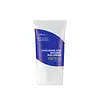
This hybrid sunscreen covers the full UV range and blocks ~98% of UVB at SPF 50.
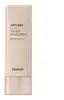
This chemical sunscreen covers the full UV range, though its SPF isn't confirmed on file yet.

What's inside
What's inside
 Key Ingredients
Benefits
Concerns
Ingredients Side-by-side
Water
Skin ConditioningZinc Oxide
Cosmetic Colorant


Butyloctyl Salicylate
Skin Conditioning
Propylheptyl Caprylate
EmollientButylene Glycol
Humectant

Isododecane
EmollientC15-19 Alkane
SolventDisiloxane
Skin Conditioning
Cetyl Diglyceryl Tris(Trimethylsiloxy)Silylethyl Dimethicone
Emulsion Stabilising
Caprylyl Methicone
Skin Conditioning
Sodium Chloride
MaskingTriethylhexanoin
MaskingSodium Hyaluronate
Humectant


Glycerin
Humectant
Methyl Methacrylate Crosspolymer
Disteardimonium Hectorite
StabilisingTriethoxycaprylylsilane
Polymethylsilsesquioxane
1,2-Hexanediol
Skin Conditioning
Lauryl Polyglyceryl-3 Polydimethylsiloxyethyl Dimethicone
Skin Conditioning
Polyglyceryl-2 Dipolyhydroxystearate
Skin Conditioning

Lauryl Dimethicone/Polyglycerin-3 Crosspolymer
Cleansing
Caprylyl Glycol
Emollient
Glyceryl Caprylate
EmollientDipropylene Glycol
HumectantTocopherol
Antioxidant



Sodium Citrate
BufferingBetaine
Humectant
Inositol
Humectant
Panthenol
Skin Conditioning
Water, Zinc Oxide, Butyloctyl Salicylate, Propylheptyl Caprylate, Butylene Glycol, Isododecane, C15-19 Alkane, Disiloxane, Cetyl Diglyceryl Tris(Trimethylsiloxy)Silylethyl Dimethicone, Caprylyl Methicone, Sodium Chloride, Triethylhexanoin, Sodium Hyaluronate, Glycerin, Methyl Methacrylate Crosspolymer, Disteardimonium Hectorite, Triethoxycaprylylsilane, Polymethylsilsesquioxane, 1,2-Hexanediol, Lauryl Polyglyceryl-3 Polydimethylsiloxyethyl Dimethicone, Polyglyceryl-2 Dipolyhydroxystearate, Lauryl Dimethicone/Polyglycerin-3 Crosspolymer, Caprylyl Glycol, Glyceryl Caprylate, Dipropylene Glycol, Tocopherol, Sodium Citrate, Betaine, Inositol, Panthenol
Water
Skin ConditioningButylene Glycol
Humectant
Ethylhexyl Methoxycinnamate
UV Absorber
Ethylhexyl Salicylate
UV Absorber
Phenylbenzimidazole Sulfonic Acid
UV Absorber
Stearyl Alcohol
Emollient
Triethanolamine
BufferingOctocrylene
UV Absorber
Niacinamide
Smoothing



Diethylamino Hydroxybenzoyl Hexyl Benzoate
UV Filter
Hydroxyethyl Acrylate/Sodium Acryloyldimethyl Taurate Copolymer
Emulsion StabilisingButyl Methoxydibenzoylmethane
UV Absorber
Synthetic Fluorphlogopite
CI 77891
Cosmetic ColorantMica
Cosmetic ColorantPEG-100 Stearate
Surfactant
Hydrogenated Lecithin
Emulsifying
Glyceryl Stearate
Emollient
Beeswax
Emulsion Stabilising

Caprylyl Glycol
Emollient
Carbomer
Emulsion StabilisingAdenosine
Skin Conditioning
Disodium EDTA
Tin Oxide
Abrasive
CI 75470
Cosmetic ColorantThymus Vulgaris Leaf Extract
Skin ProtectingOriganum Majorana Leaf Extract
AntiseborrhoeicMentha Piperita Leaf Extract
Skin ConditioningRosa Canina Fruit Extract
Astringent
Parfum
Masking

Water, Butylene Glycol, Ethylhexyl Methoxycinnamate, Ethylhexyl Salicylate, Phenylbenzimidazole Sulfonic Acid, Stearyl Alcohol, Triethanolamine, Octocrylene, Niacinamide, Diethylamino Hydroxybenzoyl Hexyl Benzoate, Hydroxyethyl Acrylate/Sodium Acryloyldimethyl Taurate Copolymer, Butyl Methoxydibenzoylmethane, Synthetic Fluorphlogopite, CI 77891, Mica, PEG-100 Stearate, Hydrogenated Lecithin, Glyceryl Stearate, Beeswax, Caprylyl Glycol, Carbomer, Adenosine, Disodium EDTA, Tin Oxide, CI 75470, Thymus Vulgaris Leaf Extract, Origanum Majorana Leaf Extract, Mentha Piperita Leaf Extract, Rosa Canina Fruit Extract, Parfum
Reviews
Ingredients Explained
These ingredients are found in both products.
Ingredients higher up in an ingredient list are typically present in a larger amount.
Butylene Glycol (or BG) is used within cosmetic products for a few different reasons:
Overall, Butylene Glycol is a safe and well-rounded ingredient that works well with other ingredients.
Though this ingredient works well with most skin types, some people with sensitive skin may experience a reaction such as allergic rashes, closed comedones, or itchiness.
Learn more about Butylene GlycolCaprylyl Glycol is a humectant, skin conditioner, emollient, and preservative booster derived from either caprylic acid or synthetically created.
Typical use levels vary from 0.3-1% as a preservative booster and go up to 2% to condition skin.
Because it is not a free-fatty acid, this ingredient is fungal acne safe (there's nothing for Malassezia to feed on).
Learn more about Caprylyl GlycolWater. It's the most common cosmetic ingredient of all. You'll usually see it at the top of ingredient lists, meaning that it makes up the largest part of the product.
So why is it so popular? Water most often acts as a solvent - this means that it helps dissolve other ingredients into the formulation.
You'll also recognize water as that liquid we all need to stay alive. If you see this, drink a glass of water. Remember to stay hydrated!
Learn more about Water

