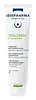
This acne treatment is formulated around Glycolic Acid and Gluconolactone to clear breakouts and refine skin texture.
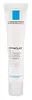
This oil-control moisturizer is formulated around Salicylic Acid and Zinc PCA to balance excess oil and refine the look of pores.

What's inside
What's inside
 Key Ingredients
Benefits
Concerns
Ingredients Side-by-side
Water
Skin ConditioningGlycolic Acid
Buffering











Gluconolactone
Chelating
Alcohol Denat.
Antimicrobial


Hydroxyethyl Acrylate/Sodium Acryloyldimethyl Taurate Copolymer
Emulsion StabilisingSodium Hydroxide
BufferingButyl Avocadate
Skin Conditioning
Dipropylene Glycol
HumectantPEG-7 Glyceryl Cocoate
Emulsifying
Pentylene Glycol
Skin Conditioning
Xylitylglucoside
Humectant
Zinc PCA
Humectant

Polyacrylate-13
Anhydroxylitol
Humectant
Disodium EDTA
ChelatingHydroxyethylcellulose
Emulsion StabilisingSalicylic Acid
Masking

Sodium Benzoate
Masking
Polyisobutene
Xylitol
Humectant
Butylene Glycol
Humectant
PPG-26-Buteth-26
Skin ConditioningChlorphenesin
Antimicrobial
Boswellia Serrata Resin Extract
SmoothingSorbitan Isostearate
Emulsifying
PEG-40 Hydrogenated Castor Oil
Emulsifying
Polysorbate 60
Emulsifying
Parfum
Masking

O-Cymen-5-Ol
Antimicrobial
Polysorbate 20
Emulsifying
Polyquaternium-51
Skin Conditioning
Linalool
Perfuming
Limonene
Perfuming
Citronellol
Perfuming
Hexyl Cinnamal
Perfuming
Propyl Gallate
Antioxidant
Water, Glycolic Acid, Gluconolactone, Alcohol Denat., Hydroxyethyl Acrylate/Sodium Acryloyldimethyl Taurate Copolymer, Sodium Hydroxide, Butyl Avocadate, Dipropylene Glycol, PEG-7 Glyceryl Cocoate, Pentylene Glycol, Xylitylglucoside, Zinc PCA, Polyacrylate-13, Anhydroxylitol, Disodium EDTA, Hydroxyethylcellulose, Salicylic Acid, Sodium Benzoate, Polyisobutene, Xylitol, Butylene Glycol, PPG-26-Buteth-26, Chlorphenesin, Boswellia Serrata Resin Extract, Sorbitan Isostearate, PEG-40 Hydrogenated Castor Oil, Polysorbate 60, Parfum, O-Cymen-5-Ol, Polysorbate 20, Polyquaternium-51, Linalool, Limonene, Citronellol, Hexyl Cinnamal, Propyl Gallate
Water
Skin ConditioningPropylene Glycol
Humectant
Octyldodecanol
Emollient
Dimethicone
Emollient
PEG-100 Stearate
Surfactant
Glyceryl Stearate
Emollient
Salicylic Acid
Masking
Ammonium Polyacryloyldimethyl Taurate
Emulsion StabilisingZinc PCA
Humectant
Sarcosine
Skin Conditioning
Sodium Hydroxide
BufferingSilica
Abrasive
Silica Silylate
Emollient
Perlite
Absorbent
Carnosine
Skin Conditioning
Disodium EDTA
ChelatingCapryloyl Salicylic Acid
Exfoliating
Xanthan Gum
EmulsifyingPentylene Glycol
Skin Conditioning
Acrylates Copolymer
Cetyl Alcohol
Emollient
Butylene Glycol
Humectant
Tocopherol
Antioxidant
Parfum
Masking
Water, Propylene Glycol, Octyldodecanol, Dimethicone, PEG-100 Stearate, Glyceryl Stearate, Salicylic Acid, Ammonium Polyacryloyldimethyl Taurate, Zinc PCA, Sarcosine, Sodium Hydroxide, Silica, Silica Silylate, Perlite, Carnosine, Disodium EDTA, Capryloyl Salicylic Acid, Xanthan Gum, Pentylene Glycol, Acrylates Copolymer, Cetyl Alcohol, Butylene Glycol, Tocopherol, Parfum
Reviews
Ingredients Explained
These ingredients are found in both products.
Ingredients higher up in an ingredient list are typically present in a larger amount.
Butylene Glycol (or BG) is used within cosmetic products for a few different reasons:
Overall, Butylene Glycol is a safe and well-rounded ingredient that works well with other ingredients.
Though this ingredient works well with most skin types, some people with sensitive skin may experience a reaction such as allergic rashes, closed comedones, or itchiness.
Learn more about Butylene GlycolDisodium EDTA is a chelating agent. It grabs onto and deactivates metal ions that sneak into your products from water, packaging, or air.
This ingredient mainly works behind the scenes and helps with:
On top of that, this ingredient can counteract the effects of hard water by binding to the minerals in it.
One thing worth knowing is that Disodium EDTA has been shown to be a mild penetration enhancer. It can help other ingredients absorb into skin more effectively which can be a double-edged sword (great for actives, but can also make the active too strong if you have sensitive skin).
Clinical patch testing showed no significant skin irritation at typical use concentrations and minimal dermal absorption.
You'll most likely see this ingredient near the end of an ingredient list. It's typically found in concentrations less than 1%.
Learn more about Disodium EDTAParfum is a catch-all term for an ingredient or more that is used to give a scent to products.
Also called "fragrance", this ingredient can be a blend of hundreds of chemicals or plant oils. This means every product with "fragrance" or "parfum" in the ingredients list is a different mixture.
For instance, Habanolide is a proprietary trade name for a specific aroma chemical. When used as a fragrance ingredient in cosmetics, most aroma chemicals fall under the broad labeling category of “FRAGRANCE” or “PARFUM” according to EU and US regulations.
The term 'parfum' or 'fragrance' is not regulated in many countries. In many cases, it is up to the brand to define this term.
For instance, many brands choose to label themselves as "fragrance-free" because they are not using synthetic fragrances. However, their products may still contain ingredients such as essential oils that are considered a fragrance by INCI standards.
One example is Calendula flower extract. Calendula is an essential oil that still imparts a scent or 'fragrance'.
Depending on the blend, the ingredients in the mixture can cause allergies and sensitivities on the skin. Some ingredients that are known EU allergens include linalool and citronellol.
Parfum can also be used to mask or cover an unpleasant scent.
The bottom line is: not all fragrances/parfum/ingredients are created equally. If you are worried about fragrances, we recommend taking a closer look at an ingredient. And of course, we always recommend speaking with a professional.
Learn more about ParfumPentylene Glycol (1,2-pentanediol) is a multitasking little diol with three main roles in a formula:
Research on alkanediols (the family pentylene glycol belongs to) show they work by disrupting microbial cell membranes. This disruption helps the primary preservative system in a product work more effectively at lower doses.
On the safety side, the Cosmetic Ingredient Review Expert Panel has concluded this ingredient to be safe as used in current cosmetic practices + concentrations.
Typical use levels in a formula run about 1-5%.
Learn more about Pentylene GlycolSalicylic Acid (also known as beta hydroxy acid or BHA) is a well-known ingredient for treating skin that struggles with acne and clogged pores. It exfoliates both the skin's surface and deep within the pores to help clear out buildup, control oil, and reduce inflammation.
Unlike AHAs (alpha hydroxy acids), salicylic acid is oil-soluble. This allows it to penetrate into pores which makes it especially effective for treating blackheads and preventing future breakouts.
Salicylic acid is also known for its soothing properties. It has a similar structure to aspirin and can calm inflamed or irritated skin, making it a good option for acne-prone skin that is also sensitive.
Concentrations of 0.5-2% are recognized by the U.S. FDA as an over-the-counter topical acne product.
It can cause irritation and/or dryness if one's skin already has a compromised moisture barrier, so it's best to focus on repairing that before introducing this ingredient into your routine.
While salicylic acid does not increase sun sensitivity, it’s still important to wear sunscreen daily to protect your skin.
If you are looking for the ingredient called BHA or Butylated Hydroxyanisole, click here.
Learn more about Salicylic AcidSodium Hydroxide is also known as lye or caustic soda. It is used to adjust the pH of products; many ingredients require a specific pH to be effective.
In small amounts, sodium hydroxide is considered safe to use. However, large amounts may cause chemical burns due to its high alkaline.
Your skin has a natural pH and acid mantle. This acid mantle helps prevent harmful bacteria from breaking through. The acid mantle also helps keep your skin hydrated.
"Alkaline" refers to a high pH level. A low pH level would be considered acidic.
Learn more about Sodium HydroxideWater. It's the most common cosmetic ingredient of all. You'll usually see it at the top of ingredient lists, meaning that it makes up the largest part of the product.
So why is it so popular? Water most often acts as a solvent - this means that it helps dissolve other ingredients into the formulation.
You'll also recognize water as that liquid we all need to stay alive. If you see this, drink a glass of water. Remember to stay hydrated!
Learn more about WaterZinc PCA is a clever two-in-one molecule: the zinc salt of pyrrolidone carboxylic acid (PCA).
Think of it as two useful things bonded together; the PCA half is one of your skin's own natural moisturizing factors (NMF) so it helps hold water in the upper layers. On the other hand, the zinc half does the heavy lifting on oil and bacteria.
The zinc part slows down an enzyme that turns testosterone into DHT, the hormone that tells your oil glands to pump out more sebum. Less of that signal means less oil. It also gently fights acne-causing bacteria and soothes redness/irritation.
This is why Zinc PCA often shows up in products for oily, breakout-prone skin and greasy scalps.
One lab study also hinted it might have a small anti-aging perk because it seemed to protect collagen from UVA damage and even helped the skin make a bit more of it. That last bit is still early research done in a dish and not real skin, so take it as a nice bonus rather than a promise for now.
As for scar healing, the picture is more "maybe" than a firm yes. Zinc itself plays a real role in wound repair because it is a cofactor for the enzymes involved in collagen building, calming inflammation, and helping new skin cells cover a wound. Lower zinc levels are also linked to slower healing.
Most of the scar healing research is on zinc oxide or oral zinc rather than zinc PCA specifically, with a focus on healing fresh wounds instead of scars that are already there.
Direct evidence that zinc PCA improves the look of established scars is still limited at this time. Though it would be fair to say zinc PCA supports the general skin-repair environment thanks to its zinc content .
This ingredient is water-soluble and plays nicely with other actives like niacinamide and salicylic acid. It works best at mildly acidic formulas (~4-6 pH) and is effective at low levels. Around 0.1% is enough to be active and finished products commonly use it anywhere up to 4%.
Overall, this is a well-tolerated, low-drama multitasker that suits oily and acne-prone skin.
Learn more about Zinc PCA

