

What's inside
What's inside
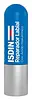 Key Ingredients
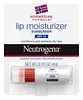
Benefits
Concerns
Ingredients Side-by-side
Paraffin
Skin ConditioningParaffinum Liquidum
Emollient

Butyrospermum Parkii Butter
Skin Conditioning



C10-18 Triglycerides
Emollient
C12-15 Alkyl Benzoate
AntimicrobialOctyldodecanol
Emollient
Simmondsia Chinensis Seed Oil
Emollient
C30-45 Alkyl Methicone
Emollient
C30-45 Olefin
Skin ConditioningPolyisobutene
Helianthus Annuus Seed Oil
Emollient
Ethylhexyl Palmitate
Emollient
Parfum
Masking



Tocopheryl Acetate
Antioxidant


Punica Granatum Fruit Extract
Antioxidant

Tocopherol
Antioxidant

Silica Dimethyl Silylate
EmollientButylene Glycol
Humectant
Pentylene Glycol
Skin Conditioning
Sodium Hyaluronate
Humectant
Paraffin, Paraffinum Liquidum, Butyrospermum Parkii Butter, C10-18 Triglycerides, C12-15 Alkyl Benzoate, Octyldodecanol, Simmondsia Chinensis Seed Oil, C30-45 Alkyl Methicone, C30-45 Olefin, Polyisobutene, Helianthus Annuus Seed Oil, Ethylhexyl Palmitate, Parfum, Tocopheryl Acetate, Punica Granatum Fruit Extract, Tocopherol, Silica Dimethyl Silylate, Butylene Glycol, Pentylene Glycol, Sodium Hyaluronate
Ricinus Communis Seed Oil
Masking
Paraffin
Skin ConditioningCera Alba
Emollient
Cetyl Palmitate
Emollient
Ethylhexyl Methoxycinnamate
UV Absorber


Cetearyl Alcohol
Emollient
Isopropyl Myristate
Emollient
Cetyl Alcohol
Emollient
Candelilla Cera
Emollient
Cera Microcristallina
Emulsion StabilisingBisabolol
Antioxidant
Isopropyl Palmitate
Emollient
Isopropyl Laurate
EmollientStearic Acid
Cleansing
Palmitic Acid
Emollient
Propylene Glycol
Humectant
Sodium Cetearyl Sulfate
Cleansing
Sodium Sulfate
Citric Acid
Buffering
BHA
Antioxidant
BHT
Antioxidant
Parfum
Masking
Ricinus Communis Seed Oil, Paraffin, Cera Alba, Cetyl Palmitate, Ethylhexyl Methoxycinnamate, Cetearyl Alcohol, Isopropyl Myristate, Cetyl Alcohol, Candelilla Cera, Cera Microcristallina, Bisabolol, Isopropyl Palmitate, Isopropyl Laurate, Stearic Acid, Palmitic Acid, Propylene Glycol, Sodium Cetearyl Sulfate, Sodium Sulfate, Citric Acid, BHA, BHT, Parfum
Ingredients Explained
These ingredients are found in both products.
Ingredients higher up in an ingredient list are typically present in a larger amount.
Paraffin is a solid wax that pulls its weight as an emollient, occlusive, and consistency-booster.
It softens skin and lays down a protective film to slow water loss and gives products a stable body and structure.
The cosmetic grade stuff is highly refined with a solid safety record. The CIR Expert Panel has repeatedly reaffirmed this ingredient to be safe in current practices of use and concentration.
The worry about carcinogenic compounds only applies to industrial grades, not the purified version used in skincare.
Despite its reputation, the highly reformed form is non-comedogenic and doesn't penetrate deeply into skin.
The good news for fungal-acne prone folks: the Malassezia yeast feeds on fatty acids and lipids and paraffin doesn't contain any of these (so there's nothing for the yeast to metabolize). This ingredient is considered fungal acne safe.
Learn more about ParaffinParfum is a catch-all term for an ingredient or more that is used to give a scent to products.
Also called "fragrance", this ingredient can be a blend of hundreds of chemicals or plant oils. This means every product with "fragrance" or "parfum" in the ingredients list is a different mixture.
For instance, Habanolide is a proprietary trade name for a specific aroma chemical. When used as a fragrance ingredient in cosmetics, most aroma chemicals fall under the broad labeling category of “FRAGRANCE” or “PARFUM” according to EU and US regulations.
The term 'parfum' or 'fragrance' is not regulated in many countries. In many cases, it is up to the brand to define this term.
For instance, many brands choose to label themselves as "fragrance-free" because they are not using synthetic fragrances. However, their products may still contain ingredients such as essential oils that are considered a fragrance by INCI standards.
One example is Calendula flower extract. Calendula is an essential oil that still imparts a scent or 'fragrance'.
Depending on the blend, the ingredients in the mixture can cause allergies and sensitivities on the skin. Some ingredients that are known EU allergens include linalool and citronellol.
Parfum can also be used to mask or cover an unpleasant scent.
The bottom line is: not all fragrances/parfum/ingredients are created equally. If you are worried about fragrances, we recommend taking a closer look at an ingredient. And of course, we always recommend speaking with a professional.
Learn more about Parfum

