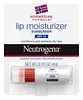
This lip moisturizer is formulated around Ricinus Communis Seed Oil and Bisabolol to hydrate lips.
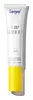
This barrier-repair lip moisturizer is formulated around Caprylic/Capric Triglyceride and Butyrospermum Parkii Butter to strengthen the lip barrier and hydrate lips.

What's inside
What's inside
 Key Ingredients
Benefits
Concerns
Ingredients Side-by-side
Ricinus Communis Seed Oil
Masking




Paraffin
Skin Conditioning
Cera Alba
Emollient


Cetyl Palmitate
Emollient
Ethylhexyl Methoxycinnamate
UV Absorber

Cetearyl Alcohol
Emollient

Isopropyl Myristate
Emollient
Cetyl Alcohol
Emollient
Candelilla Cera
Emollient
Cera Microcristallina
Emulsion StabilisingBisabolol
Antioxidant




Isopropyl Palmitate
Emollient
Isopropyl Laurate
EmollientStearic Acid
Cleansing
Palmitic Acid
Emollient
Propylene Glycol
Humectant
Sodium Cetearyl Sulfate
Cleansing
Sodium Sulfate
Citric Acid
Buffering

BHA
Antioxidant
BHT
Antioxidant
Parfum
Masking
Ricinus Communis Seed Oil, Paraffin, Cera Alba, Cetyl Palmitate, Ethylhexyl Methoxycinnamate, Cetearyl Alcohol, Isopropyl Myristate, Cetyl Alcohol, Candelilla Cera, Cera Microcristallina, Bisabolol, Isopropyl Palmitate, Isopropyl Laurate, Stearic Acid, Palmitic Acid, Propylene Glycol, Sodium Cetearyl Sulfate, Sodium Sulfate, Citric Acid, BHA, BHT, Parfum
Butyl Methoxydibenzoylmethane 3%
UV Absorber
Homosalate 5%
Skin Conditioning
Ethylhexyl Salicylate 5%
UV Absorber
Octocrylene 10%
UV Absorber
Hydrogenated Polyisobutene
EmollientDiisostearyl Malate
EmollientCaprylic/Capric Triglyceride
Masking
Butyloctyl Salicylate
Skin Conditioning
C12-15 Alkyl Benzoate
AntimicrobialPolyurethane-79
Polyester-7
Skin ConditioningButyrospermum Parkii Butter
Skin Conditioning
Cocos Nucifera Oil
Masking
Isopropyl Palmitate
Emollient
Sesamum Indicum Seed Oil
Emollient
Neopentyl Glycol Diheptanoate
EmollientDiethylhexyl Syringylidenemalonate
Skin Protecting
Caprylyl Glycol
Emollient
Glycine Soja Oil
Emollient
Tocopherol
Antioxidant

2-Methylbutyric Acid
Perfuming
Barosma Betulina Leaf Oil
Perfuming
Benzaldehyde
Masking
Dimethylhydroxy Furanone
MaskingTrans-2-Hexenal
Perfuming
Helianthus Annuus Seed Oil
Emollient
Ethyl Acetate
Perfuming
Stevioside
MaskingGamma-Undecalactone
Perfuming
Vanillin
Masking
Vitis Vinifera Seed Extract
Antimicrobial
Laminaria Ochroleuca Extract
Skin Conditioning
Citric Acid
Buffering
Butyl Methoxydibenzoylmethane 3%, Homosalate 5%, Ethylhexyl Salicylate 5%, Octocrylene 10%, Hydrogenated Polyisobutene, Diisostearyl Malate, Caprylic/Capric Triglyceride, Butyloctyl Salicylate, C12-15 Alkyl Benzoate, Polyurethane-79, Polyester-7, Butyrospermum Parkii Butter, Cocos Nucifera Oil, Isopropyl Palmitate, Sesamum Indicum Seed Oil, Neopentyl Glycol Diheptanoate, Diethylhexyl Syringylidenemalonate, Caprylyl Glycol, Glycine Soja Oil, Tocopherol, 2-Methylbutyric Acid, Barosma Betulina Leaf Oil, Benzaldehyde, Dimethylhydroxy Furanone, Trans-2-Hexenal, Helianthus Annuus Seed Oil, Ethyl Acetate, Stevioside, Gamma-Undecalactone, Vanillin, Vitis Vinifera Seed Extract, Laminaria Ochroleuca Extract, Citric Acid
Reviews
Ingredients Explained
These ingredients are found in both products.
Ingredients higher up in an ingredient list are typically present in a larger amount.
Citric Acid is an alpha hydroxy acid (AHA) naturally found in citrus fruits like oranges, lemons, and limes.
Like other AHAs, citric acid can exfoliate skin by breaking down the bonds that hold dead skin cells together. This helps reveal smoother and brighter skin underneath.
However, this exfoliating effect only happens at high concentrations (20%) which can be hard to find in cosmetic products.
Due to this, citric acid is usually included in small amounts as a pH adjuster. This helps keep products slightly more acidic and compatible with skin's natural pH.
In skincare formulas, citric acid can:
While it can provide some skin benefits, research shows lactic acid and glycolic acid are generally more effective and less irritating exfoliants.
Most citric acid used in skincare today is made by fermenting sugars (usually from molasses). This synthetic version is identical to the natural citrus form but easier to stabilize and use in formulations.
Rosacea skin has a lower threshold for acids generally, with 62.5% of rosacea subjects in one study reacting to lactic acid in a sting test. This is why we mark citric acid as a potential rosacea trigger.
However, this ingredient shows up as a pH adjuster or chelator at roughly 0.1-1% in many products. These low levels are unlikely to be an issue for rosacea skin and becomes a potential trigger at exfoliating concentrations (20%). Because everybody's skin is unique, we recommend a patch test if you are unsure.
Learn more about Citric AcidIsopropyl Palmitate is a lightweight emollient made by combining isopropyl alcohol and palmitic acid.
It is an emollient that leaves skin feeling smooth and silky without leaving a greasy feel.
Typical usage concentrations range from 1-5%.
Human testing shows it's non-irritating and non-sensitizing, and the EU Scientific Committee on Consumer Safety (SCCS) has cleared it at very high levels (79% in leave-on products).
The one thing worth knowing about its comedogenic score of 3-4 is to keep it in perspective: these ratings come from old rabbit-ear tests using 100% of pure ingredient and doesn't reflect how it behaves at low levels in a finished product.
Because it is an ester of palmitic acid (C16), it falls into the range that the Malassezia yeast can feed on and is considered not fungal acne safe.
Learn more about Isopropyl Palmitate

