ISDIN Eryfotona Actinica Mineral Sunscreen SPF 50+ Zinc Oxide Versus Colorescience Sunforgettable Total Protection Color Balm SPF50 PA++++


What's inside
What's inside
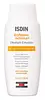 Key Ingredients
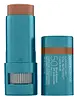
Benefits
Concerns
No concerns
Ingredients Side-by-side
Zinc Oxide 11%
Cosmetic Colorant


Water
Skin ConditioningDiethylhexyl Carbonate
EmollientDibutyl Adipate
EmollientCyclopentasiloxane
Emollient
Dicaprylyl Carbonate
EmollientAlcohol Denat.
Antimicrobial




Cyclohexasiloxane
Emollient
Butylene Glycol
Humectant

PEG-30 Dipolyhydroxystearate
Emulsifying
Nylon-12
PEG-10 Dimethicone
Skin Conditioning
Dimethicone
Emollient
Sodium Chloride
MaskingPhenoxyethanol
Preservative
Disteardimonium Hectorite
StabilisingTriethoxycaprylylsilane
Tocopheryl Acetate
Antioxidant


Glyceryl Stearate
Emollient
Parfum
Masking

Bisabolol
Antioxidant

Disodium EDTA
Ethylhexylglycerin
Skin ConditioningPanthenol
Skin Conditioning
PEG-8
HumectantTocopherol
Antioxidant

Lecithin
Emollient
Plankton Extract
Skin ConditioningAscorbyl Palmitate
Antioxidant
Ascorbic Acid
Antioxidant
Citric Acid
Buffering
Zinc Oxide 11%, Water, Diethylhexyl Carbonate, Dibutyl Adipate, Cyclopentasiloxane, Dicaprylyl Carbonate, Alcohol Denat., Cyclohexasiloxane, Butylene Glycol, PEG-30 Dipolyhydroxystearate, Nylon-12, PEG-10 Dimethicone, Dimethicone, Sodium Chloride, Phenoxyethanol, Disteardimonium Hectorite, Triethoxycaprylylsilane, Tocopheryl Acetate, Glyceryl Stearate, Parfum, Bisabolol, Disodium EDTA, Ethylhexylglycerin, Panthenol, PEG-8, Tocopherol, Lecithin, Plankton Extract, Ascorbyl Palmitate, Ascorbic Acid, Citric Acid
Jojoba Esters
Emollient
Calcium Sodium Borosilicate
Synthetic Fluorphlogopite
Mica
Cosmetic ColorantButyloctyl Salicylate
Skin Conditioning
C26-28 Alkyl Dimethicone
Skin Conditioning
Squalane
Emollient
C18-36 Acid Triglyceride
EmollientGlyceryl Dibehenate
Emollient
Tridecyl Salicylate
Skin ConditioningEuphorbia Cerifera Wax
Vp/Eicosene Copolymer
Tribehenin
Emollient
Methylpropanediol
SolventLecithin
Emollient
Dimethiconol
Emollient
Glyceryl Behenate
Emollient
Copernicia Cerifera Wax
Caprylyl Glycol
Emollient
Physalis Angulata Extract
Skin ProtectingCaprylic/Capric Triglyceride
Masking
Bisabolol
Antioxidant
Tocopheryl Acetate
Antioxidant
Phenylpropanol
Masking
Tin Oxide
Abrasive
Dimethylmethoxy Chromanol
Antioxidant
Dimethicone
Emollient
Tocopherol
Antioxidant
Iron Oxides
CI 77891
Cosmetic ColorantJojoba Esters, Calcium Sodium Borosilicate, Synthetic Fluorphlogopite, Mica, Butyloctyl Salicylate, C26-28 Alkyl Dimethicone, Squalane, C18-36 Acid Triglyceride, Glyceryl Dibehenate, Tridecyl Salicylate, Euphorbia Cerifera Wax, Vp/Eicosene Copolymer, Tribehenin, Methylpropanediol, Lecithin, Dimethiconol, Glyceryl Behenate, Copernicia Cerifera Wax, Caprylyl Glycol, Physalis Angulata Extract, Caprylic/Capric Triglyceride, Bisabolol, Tocopheryl Acetate, Phenylpropanol, Tin Oxide, Dimethylmethoxy Chromanol, Dimethicone, Tocopherol, Iron Oxides, CI 77891
Reviews
Ingredients Explained
These ingredients are found in both products.
Ingredients higher up in an ingredient list are typically present in a larger amount.
Bisabolol is a gentle skin conditioner, antioxidant, and soothing ingredient.
It's primary claim to fame is soothing and research shows topically applied bisabolol can quiet the chemical messengers that cause your skin to become inflamed, helping to sooth any irritation.
A clinical study found that applying 0.5% bisabolol daily for 8 weeks produced an average 9% decrease in skin pigmentation. Researchers found it can also suppress the process that leads to excess melanin production in skin.
In vitro studies found that bisabolol combined with propylene glycol significantly increased skin permeability by increasing lipid fluidity in the stratum corneum.
You'll likely see use concentrations quite low, usually 0.1-0.2%.
Overall, this is a well-tolerated ingredient that works well in formulas designed for sensitive, reactive, or post-procedure skin.
Learn more about BisabololDimethicone is a type of synthetic silicone created from natural materials such as quartz. It is also known as polydimethylsiloxane.
What it does:
Dimethicone comes in different viscosities:
Depending on the viscosity, dimethicone has different properties.
Ingredients lists don't always show which type is used, so we recommend reaching out to the brand if you have questions about the viscosity.
This ingredient is unlikely to cause irritation because it does not get absorbed into skin. However, people with silicone allergies should be careful about using this ingredient.
Note: Dimethicone may contribute to pilling. This is because it is not oil or water soluble, so pilling may occur when layered with products. When mixed with heavy oils in a formula, the outcome is also quite greasy.
Learn more about DimethiconeLecithin is a term for a group of substances found in the cell membranes of plants, animals, and humans. They are made up of phospholipids.
Thanks to its amphiphilic structure (water-loving head and oil-loving tail), it is a true multitasker:
It plays well with most ingredients and is typically used at 0.1-1%. However, concentrations up to 50% have been reported in moisturizers.
Depending on the source of this ingredient, lecithin may not be fungal acne safe. This is because some sources of lecithin come from soybean oil, which may feed the malassezia yeast that causes fungal acne.
We recommend reaching out to the brand you are purchasing from to inquire about the source of their lecithin.
Learn more about LecithinTocopherol is a fat-soluble antioxidant known as Vitamin E.
You'll find this ingredient in the vast majority of skincare (for good reason). It works to neutralize free radicals, or unstable molecules generated by UV exposure, pollution, and other environmental stressors, before they can cause oxidative damage to your skin cells.
Topically applied tocopherol has been shown to protect against UV damage by ramping up the skin's own natural defense enzymes.
It also acts as a skin conditioning agent; some studies show that regular topical use can improve the skin's water-binding capacity over 2-4 weeks.
This ingredient is especially loved for being a team player. When combined with Vitamin C, the photoprotective effect of both ingredients roughly doubles and the combo also helps reduce UV-induced DNA damage.
This ingredient has some brightening potential but it's more of a prevention ingredient than spot-fader. Cell studies show it can slow down melanin production but it's worth noting that it's not the most powerful brightener out there.
In formulations, it also serves as a stabilizer that helps protect other oxidation-prone ingredients from degrading.
Concentrations usually range from 0.1-1% in most leave-on products.
Learn more about TocopherolTocopheryl Acetate is AKA Vitamin E. It is an antioxidant and protects your skin from free radicals. Free radicals damage the skin by breaking down collagen.
One study found using Tocopheryl Acetate with Vitamin C decreased the number of sunburned cells.
Tocopheryl Acetate is commonly found in both skincare and dietary supplements.
Learn more about Tocopheryl Acetate
