
What's inside
What's inside
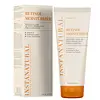 Key Ingredients
Benefits
Concerns
Ingredients Side-by-side
Water
Skin ConditioningAloe Barbadensis Leaf Juice
Skin Conditioning


Dicaprylyl Ether
Emollient
Carthamus Tinctorius Seed Oil
Masking

Glyceryl Stearate
Emollient
Cetyl Alcohol
Emollient

Stearic Acid
Cleansing
Glycerin
Humectant

Sodium Ascorbyl Phosphate
Antioxidant




Butyrospermum Parkii Butter
Skin Conditioning
Sodium Hyaluronate
Humectant

Retinol
Skin Conditioning




Limnanthes Alba Seed Oil
Skin Conditioning
Hesperidin
EmollientRosmarinus Officinalis Leaf Extract
AntimicrobialCentella Asiatica Extract
Cleansing
Hibiscus Rosa-Sinensis Flower Extract
HumectantPanthenol
Skin Conditioning
Camellia Sinensis Leaf Extract
Antimicrobial
Geranium Maculatum Extract
TonicSalix Alba Bark Extract
Astringent
Glycine Soja Oil
Emollient
Tocopherol
Antioxidant
Xanthan Gum
EmulsifyingLeuconostoc/Radish Root Ferment Filtrate
Antimicrobial
Sodium Hydroxide
BufferingHydroxyacetophenone
Antioxidant
Propanediol
Solvent
Phenethyl Alcohol
MaskingPentylene Glycol
Skin Conditioning
Citric Acid
Buffering
Water, Aloe Barbadensis Leaf Juice, Dicaprylyl Ether, Carthamus Tinctorius Seed Oil, Glyceryl Stearate, Cetyl Alcohol, Stearic Acid, Glycerin, Sodium Ascorbyl Phosphate, Butyrospermum Parkii Butter, Sodium Hyaluronate, Retinol, Limnanthes Alba Seed Oil, Hesperidin, Rosmarinus Officinalis Leaf Extract, Centella Asiatica Extract, Hibiscus Rosa-Sinensis Flower Extract, Panthenol, Camellia Sinensis Leaf Extract, Geranium Maculatum Extract, Salix Alba Bark Extract, Glycine Soja Oil, Tocopherol, Xanthan Gum, Leuconostoc/Radish Root Ferment Filtrate, Sodium Hydroxide, Hydroxyacetophenone, Propanediol, Phenethyl Alcohol, Pentylene Glycol, Citric Acid
Water
Skin ConditioningC13-16 Isoparaffin
Solvent
Glycerin
Humectant
Diheptyl Succinate
EmollientHeptyl Undecylenate
Emollient1,2-Hexanediol
Skin Conditioning
Ammonium Acryloyldimethyltaurate/Vp Copolymer
Polyglyceryl-10 Oleate
Skin Conditioning
Propanediol
Solvent
Vitis Vinifera
MaskingVitis Vinifera Seed Oil
Emollient
Caprylic/Capric Triglyceride
Masking
Bakuchiol
Antimicrobial
Tocopherol
Antioxidant
Acmella Oleracea Extract
Skin ProtectingButylene Glycol
Humectant
Retinol
Skin Conditioning
Allantoin
Skin Conditioning
Helianthus Annuus Seed Oil
Emollient
Capryloyl Glycerin/Sebacic Acid Copolymer
Skin ConditioningEthylhexylglycerin
Skin ConditioningSalix Alba Bark Extract
Astringent
Camellia Sinensis Leaf Extract
Antimicrobial
Lilium Candidum Bulb Extract
Skin ConditioningWater, C13-16 Isoparaffin, Glycerin, Diheptyl Succinate, Heptyl Undecylenate, 1,2-Hexanediol, Ammonium Acryloyldimethyltaurate/Vp Copolymer, Polyglyceryl-10 Oleate, Propanediol, Vitis Vinifera, Vitis Vinifera Seed Oil, Caprylic/Capric Triglyceride, Bakuchiol, Tocopherol, Acmella Oleracea Extract, Butylene Glycol, Retinol, Allantoin, Helianthus Annuus Seed Oil, Capryloyl Glycerin/Sebacic Acid Copolymer, Ethylhexylglycerin, Salix Alba Bark Extract, Camellia Sinensis Leaf Extract, Lilium Candidum Bulb Extract
Reviews
Ingredients Explained
These ingredients are found in both products.
Ingredients higher up in an ingredient list are typically present in a larger amount.
Camellia Sinensis Leaf Extract (tea extract) is one of the most well-researched plant extracts in skincare with an impressive resume.
Black tea, green tea, and oolong tea are all harvested from the Camellia Sinensis plant.
Studies show green tea extract and its catechins (like epigallocatechin gallate (EGCG)) help your skin cells product energy more efficiently and reducing the number of free-radicals that can damage your skin from the inside.
In lab-grown skin models, this translated to younger, healthier, and stronger skin.
There's also good sun protection data; researchers saw less DNA damage and redness on human skin when green tea was applied before UVB exposure. And the more they applied, the better the protection.
Needless to say, this ingredient shouldn't replace your sunscreen. But it is a great supportive ingredient that you can already find in many sunscreens and antioxidant serums.
A 2009 study found a 2% green tea lotion was effective for mild-to-moderate acne thanks to its anti-inflammatory and mild antimicrobial activity.
The quality of the extract matters a lot here:
Good extracts contain 50-90% catechins while lower quality ones are mostly there for marketing. We recommend reaching out to the brand if you have questions about the quality or source of their ingredients.
Human Repeated Insult Patch Testing showed no irritation or sensitization at use concentrations (0.86% in leave-on products and up to 30% as leaf water).
Learn more about Camellia Sinensis Leaf ExtractGlycerin (or glycerol) is a compound naturally found in your skin. It's a powerhouse humectant that pulls water into the stratum corneum.
Topically, glycerin does several things at once:
Your skin makes glycerin on its own (mostly from sebaceous oil breakdown) and shuttles it to your outermost layer of skin, or your epidermis, via aquaporin-3.
Aquaporin-3 is a transporter that is essential for normal skin hydration, elasticity, and repair. Interestingly, mice lacking in AQP3 have dry and less elastic skin that can be fully corrected with glycerin.
This ingredient is non-irritating, plays well with almost every ingredient, and works across all skin types. Typical use is anywhere between 3-10% but can go up to 79% in some leave-on products.
Just know very high concentrations (>40%) can feel tacky in low humidity.
Glycerin is the name for this ingredient in American English. British English uses Glycerol/Glycerine.
Learn more about GlycerinPropanediol is an all-star ingredient. It softens, hydrates, and smooths the skin.
It’s often used to:
Propanediol is not likely to cause sensitivity and considered safe to use. It is derived from corn or petroleum with a clear color and no scent.
Learn more about PropanediolRetinol is a gold-standard ingredient for anti-aging. It is a form of Vitamin A and belongs to the class of retinoids that also includes tretinoin.
Why is retinol famous?
It has the most scientific studies backing up its skin benefits out of all the non-prescription ingredients.
Retinol is proven to:
This is why retinol is effective at removing wrinkles, fading dark spots, treating acne, and reducing the appearance of pores.
Studies show retinol is less effective when exposed to UV. Be sure to look for appropriate packaging to keep your retinol potent (similar to Vitamin C).
Using retinol or any retinoids will increase sun-sensitivity in the first few months. Though studies show retinoids increase your skin's natural SPF with continuous use, it is best to always wear sunscreen and sun-protection.
We recommend speaking with a medical professional about using this ingredient during pregnancy.
Retinol may cause irritation in some people, so be sure to patch test. Experts recommend 'ramping up' retinol use: start using this ingredient once a week and work up to using it daily.
Read about Tretinoin
Learn more about RetinolSalix Alba Bark Extract comes from the bark of the white willow tree. The official CosIng listing states this ingredient to have astringent, skin conditioning, soothing, and tonic properties.
Its star compound is salicin, a natural glucoside that is chemically related to salicylic acid. That's why you'll often see it marketed as a "natural BHA alternative" but that's a bit of a stretch.
Your skin can't convert salicin to salicylic acid because it needs specific enzymes that aren't present on the skin's surface. It won't behave like true salicylic acid, especially at the concentrations used in cosmetics.
However, this ingredient has its own perks. It contains flavonoids, polyphenols, and tannins that give it proven antioxidant and soothing properties.
An 8-week clinical study found a cream with 2% of this extract improved skin microcirculation, elasticity, and dark circles. This is most likely due to its role in increasing hyaluronic acid synthesis in fibroblasts and improved vascular integrity.
Another study found a topical serum with 0.5% salicin showed improvements in visible signs of aging, hyperpigmentation, and texture.
Just be careful if you have a known aspirin/salicylate allergy and be sure to consult with a medical professional about using this ingredient if you do.
Fun fact: Willow Bark extract has been used for thousands of years and ancient civilizations used white willow to help treat pain and fevers.
Learn more about Salix Alba Bark ExtractTocopherol (also known as Vitamin E) is a common antioxidant used to help protect the skin from free-radicals and strengthen the skin barrier. It's also fat soluble - this means our skin is great at absorbing it.
Vitamin E also helps keep your natural skin lipids healthy. Your lipid skin barrier naturally consists of lipids, ceramides, and fatty acids. Vitamin E offers extra protection for your skin’s lipid barrier, keeping your skin healthy and nourished.
Another benefit is a bit of UV protection. Vitamin E helps reduce the damage caused by UVB rays. (It should not replace your sunscreen). Combining it with Vitamin C can decrease sunburned cells and hyperpigmentation after UV exposure.
You might have noticed Vitamin E + C often paired together. This is because it is great at stabilizing Vitamin C. Using the two together helps increase the effectiveness of both ingredients.
There are often claims that Vitamin E can reduce/prevent scarring, but these claims haven't been confirmed by scientific research.
Learn more about TocopherolWater. It's the most common cosmetic ingredient of all. You'll usually see it at the top of ingredient lists, meaning that it makes up the largest part of the product.
So why is it so popular? Water most often acts as a solvent - this means that it helps dissolve other ingredients into the formulation.
You'll also recognize water as that liquid we all need to stay alive. If you see this, drink a glass of water. Remember to stay hydrated!
Learn more about Water
