This barrier-repair lip moisturizer is formulated around Sodium Hyaluronate and Ceramide NP to strengthen the lip barrier and hydrate lips.

What's inside
What's inside
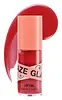 Key Ingredients
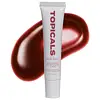
No key ingredients
Benefits
Concerns
Ingredients Side-by-side
Polyglyceryl-2 Triisostearate
Emulsifying

Polyglyceryl-2 Isostearate/Dimer Dilinoleate Copolymer
EmollientSilica Dimethyl Silylate
EmollientAroma


Dextrin Palmitate
Emulsifying
Dipalmitoyl Hydroxyproline
Skin Conditioning
Saccharomyces/Lithospermum Erythrorhizon Root Oil Ferment Filtrate
Skin Conditioning
Punica Granatum Seed Oil
Emollient

Cucurbita Pepo Fruit Extract
Skin Conditioning
Simmondsia Chinensis Seed Oil
Emollient
Water
Skin ConditioningHydrogenated Polyisobutene
Emollient1,2-Hexanediol
Skin Conditioning
Stevioside
MaskingDehydroacetic Acid
Preservative
Titanium Dioxide
Cosmetic Colorant

CI 77491
Cosmetic ColorantCI 77499
Cosmetic ColorantCI 77492
Cosmetic ColorantCI 15850
Cosmetic ColorantBenzaldehyde
Masking

Cinnamal
Perfuming
Vanillin
Masking
Polyglyceryl-2 Triisostearate, Polyglyceryl-2 Isostearate/Dimer Dilinoleate Copolymer, Silica Dimethyl Silylate, Aroma, Dextrin Palmitate, Dipalmitoyl Hydroxyproline, Saccharomyces/Lithospermum Erythrorhizon Root Oil Ferment Filtrate, Punica Granatum Seed Oil, Cucurbita Pepo Fruit Extract, Simmondsia Chinensis Seed Oil, Water, Hydrogenated Polyisobutene, 1,2-Hexanediol, Stevioside, Dehydroacetic Acid, Titanium Dioxide, CI 77491, CI 77499, CI 77492, CI 15850, Benzaldehyde, Cinnamal, Vanillin
Hydrogenated Polyisobutene
EmollientPolybutene
Jojoba Esters
Emollient
Cocos Nucifera Oil
Masking


Helianthus Annuus Seed Oil
Emollient
Ethylene/Propylene/Styrene Copolymer
Copernicia Cerifera Wax
Butylene/Ethylene/Styrene Copolymer
Glycerin
Humectant
Sodium Hyaluronate
Humectant


Hydrolyzed Sodium Hyaluronate
Skin Conditioning
Ceramide NP
Skin Conditioning
Ceramide AP
Skin Conditioning
Ceramide EOP
Skin Conditioning
Phytosphingosine
Skin Conditioning
Palmitoyl Tripeptide-38
Skin Conditioning

Cholesterol
Emollient
Tocopheryl Acetate
Antioxidant


Ergothioneine
Antioxidant
Stevia Rebaudiana Leaf/Stem Powder
Skin ConditioningPortulaca Pilosa Extract
Skin ConditioningSucrose Cocoate
Emulsifying
Panthenol
Skin Conditioning
Sodium Lauroyl Lactylate
EmulsifyingSilica
Abrasive


Carbomer
Emulsion StabilisingKaolin
Abrasive
Oryza Sativa Bran Wax
Skin Conditioning
Xanthan Gum
EmulsifyingDimer Dilinoleyl Dimer Dilinoleate
EmollientTriisostearin
Skin Conditioning
Cetearyl Ethylhexanoate
Emollient
Octyldodecanol
Emollient
Sorbitan Isostearate
Emulsifying
Sorbitan Oleate
Emulsifying
Water
Skin ConditioningAroma
CI 77742
Cosmetic ColorantCI 17200
Cosmetic ColorantCI 45380
Cosmetic ColorantCI 77491
Cosmetic ColorantCI 77499
Cosmetic ColorantCI 77891
Cosmetic ColorantHydrogenated Polyisobutene, Polybutene, Jojoba Esters, Cocos Nucifera Oil, Helianthus Annuus Seed Oil, Ethylene/Propylene/Styrene Copolymer, Copernicia Cerifera Wax, Butylene/Ethylene/Styrene Copolymer, Glycerin, Sodium Hyaluronate, Hydrolyzed Sodium Hyaluronate, Ceramide NP, Ceramide AP, Ceramide EOP, Phytosphingosine, Palmitoyl Tripeptide-38, Cholesterol, Tocopheryl Acetate, Ergothioneine, Stevia Rebaudiana Leaf/Stem Powder, Portulaca Pilosa Extract, Sucrose Cocoate, Panthenol, Sodium Lauroyl Lactylate, Silica, Carbomer, Kaolin, Oryza Sativa Bran Wax, Xanthan Gum, Dimer Dilinoleyl Dimer Dilinoleate, Triisostearin, Cetearyl Ethylhexanoate, Octyldodecanol, Sorbitan Isostearate, Sorbitan Oleate, Water, Aroma, CI 77742, CI 17200, CI 45380, CI 77491, CI 77499, CI 77891
Reviews
Ingredients Explained
These ingredients are found in both products.
Ingredients higher up in an ingredient list are typically present in a larger amount.
Aroma refers to an ingredient, or mixture of ingredients, that impart or mask a flavor.
The name is slightly confusing. This is because INCI associates aroma with flavor instead of smell.
Here is the official definition from the The International Cosmetic Ingredient Dictionary and Handbook:
“Aroma is a term for ingredient labeling used to identify that a product contains a material or combination of materials normally added to a cosmetic to produce or to mask a particular flavor.”
INCI shows the only purpose of aroma to be "flavouring".
However, due to regulation differences, some companies may use aroma in place of parfum.
In Canada, this ingredient only has to be listed in concentrations above 1%.
Learn more about AromaCi 77491 is also hydrated iron III oxide. It's sole purpose is to give a red/pink hue to products.
Iron III oxides are classified as inorganic chemicals for coloring.
Synthetically created Ci 77491 is considered safer than those naturally found. This is because the synthetically created version may contain less impurities. Iron oxides are generally non-toxic and non-allergenic.
Learn more about CI 77491Ci 77499 is also hydrated iron III oxide. It is created from mixing red and black iron oxides. This helps give shades of darkness to a product.
Iron III oxides are classified as inorganic chemicals for coloring.
Hydrogenated Polyisobutene is a synthetic polymer. Polymers are compounds with high molecular weight. Hydrogenated Polyisobutene is an emollient and texture enhancer.
In one study, Hydrogenated Polyisobutene showed better skin hydration levels than Caprylic/Capric Triglyceride. As an emollient, it helps keep your skin soft and hydrated by trapping moisture in.
Hydrogenated Polyisobutene is often used as a mineral oil replacement.
Learn more about Hydrogenated PolyisobuteneWater. It's the most common cosmetic ingredient of all. You'll usually see it at the top of ingredient lists, meaning that it makes up the largest part of the product.
So why is it so popular? Water most often acts as a solvent - this means that it helps dissolve other ingredients into the formulation.
You'll also recognize water as that liquid we all need to stay alive. If you see this, drink a glass of water. Remember to stay hydrated!
Learn more about Water

