Implora Ceramide Skin Barrier Rich Moisturizing Gel Versus Madame Gie Necessity Skin Barrier Moisturizer
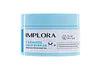
This barrier-repair moisturizer is formulated around Sodium Hyaluronate and Ceramide NP to strengthen the skin barrier and hydrate skin.
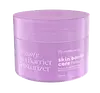
This barrier-repair moisturizer is formulated around Ceramide NP and Panthenol to strengthen the skin barrier and hydrate skin.

What's inside
What's inside
 Key Ingredients
Benefits
Concerns
Ingredients Side-by-side
Water
Skin ConditioningGlycerin
Humectant


Butylene Glycol
Humectant
Dimethicone
Emollient
Isostearyl Alcohol
Emollient


Ethoxydiglycol
HumectantPentylene Glycol
Skin Conditioning
Butylene Glycol Cocoate
Emulsifying


PEG/PPG-17/6 Copolymer
SolventPhenoxyethanol
Preservative
Acrylates/C10-30 Alkyl Acrylate Crosspolymer
Emulsion StabilisingSodium Polyacryloyldimethyl Taurate
Emulsion StabilisingDihydroxypropyl Arginine Hcl
HumectantHydrogenated Polydecene
EmollientTriethanolamine
BufferingBHT
Antioxidant
Sodium Hyaluronate
Humectant


Ethylcellulose
Hydrolyzed Collagen
Emollient
Ethylhexylglycerin
Skin ConditioningTetrasodium EDTA
ChelatingTrideceth-10
CleansingXanthan Gum
EmulsifyingSodium Hydroxide
BufferingCeramide NP
Skin Conditioning

2,3-Butanediol
Humectant1,2-Hexanediol
Skin Conditioning
Camellia Sinensis Leaf Extract
Antimicrobial


Centella Asiatica Extract
Cleansing
Chamomilla Recutita Flower Extract
Masking
Glycyrrhiza Glabra Root Extract
Bleaching
Polygonum Cuspidatum Root Extract
Antioxidant
Rosmarinus Officinalis Leaf Extract
AntimicrobialScutellaria Baicalensis Root Extract
Astringent
Hydrogenated Lecithin
Emulsifying
Glyceryl Stearate
Emollient
Chlorphenesin
Antimicrobial
Ceramide AP
Skin Conditioning
Cholesterol
Emollient
Dipotassium EDTA
ChelatingCeramide Ag
Humectant
Ceramide As
Skin Conditioning
Ceramide Ng
Skin Conditioning
Ceramide Ns
Skin Conditioning
Glucosyl Ceramide
Skin Conditioning
Ceramide EOP
Skin Conditioning
Water, Glycerin, Butylene Glycol, Dimethicone, Isostearyl Alcohol, Ethoxydiglycol, Pentylene Glycol, Butylene Glycol Cocoate, PEG/PPG-17/6 Copolymer, Phenoxyethanol, Acrylates/C10-30 Alkyl Acrylate Crosspolymer, Sodium Polyacryloyldimethyl Taurate, Dihydroxypropyl Arginine Hcl, Hydrogenated Polydecene, Triethanolamine, BHT, Sodium Hyaluronate, Ethylcellulose, Hydrolyzed Collagen, Ethylhexylglycerin, Tetrasodium EDTA, Trideceth-10, Xanthan Gum, Sodium Hydroxide, Ceramide NP, 2,3-Butanediol, 1,2-Hexanediol, Camellia Sinensis Leaf Extract, Centella Asiatica Extract, Chamomilla Recutita Flower Extract, Glycyrrhiza Glabra Root Extract, Polygonum Cuspidatum Root Extract, Rosmarinus Officinalis Leaf Extract, Scutellaria Baicalensis Root Extract, Hydrogenated Lecithin, Glyceryl Stearate, Chlorphenesin, Ceramide AP, Cholesterol, Dipotassium EDTA, Ceramide Ag, Ceramide As, Ceramide Ng, Ceramide Ns, Glucosyl Ceramide, Ceramide EOP
Ceramide NP
Skin Conditioning
Glycerin
Humectant
Hyaluronic Acid
Humectant
Panthenol
Skin Conditioning
Allantoin
Skin Conditioning
Copper Tripeptide-1
Skin Conditioning
Palmitoyl Tripeptide-5
Skin Conditioning
Onsen-Sui
Avena Sativa Kernel Oil
Skin Conditioning
Tuber Magnatum Extract
Skin ConditioningPrunus Persica Leaf Extract
Emollient
Opuntia Ficus-Indica Stem Extract
Skin Conditioning
Rosmarinus Officinalis Leaf Extract
AntimicrobialIngredients Explained
These ingredients are found in both products.
Ingredients higher up in an ingredient list are typically present in a larger amount.
Ceramide NP (formerly known as Ceramide 3) is one of the skin's naturally occurring lipids.
Since ceramides are the major lipid components of the skin, they are crucial for maintaining skin barrier and hydration. Ceramide NP most closely mirrors the dominant kind in human skin amongst ceramide subtypes.
This ceramide works by slotting into gaps within the stratum corneum's lipid matrix to limit trans-epidermal water loss (TEWL) and shield the skin against external irritants.
A study with 312 patients found that using a ceramide-containing routine for 4 weeks reduced the severity of atopic dermatitis by over 61%.
Another clinical study in subjects aged 60 and older found that a ceramide body wash and moisturizer improved skin dryness and itchy skin in 15 days.
Overall, ceramides are considered non-irritating and safety tests have found little to no observable adverse effects from using this ingredient.
Ceramide NP is usually sourced from plants (like soybean or rice bran), or produced synthetically.
Learn more about Ceramide NPGlycerin (or glycerol) is a compound naturally found in your skin. It's a powerhouse humectant that pulls water into the stratum corneum.
Topically, glycerin does several things at once:
Your skin makes glycerin on its own (mostly from sebaceous oil breakdown) and shuttles it to your outermost layer of skin, or your epidermis, via aquaporin-3.
Aquaporin-3 is a transporter that is essential for normal skin hydration, elasticity, and repair. Interestingly, mice lacking in AQP3 have dry and less elastic skin that can be fully corrected with glycerin.
This ingredient is non-irritating, plays well with almost every ingredient, and works across all skin types. Typical use is anywhere between 3-10% but can go up to 79% in some leave-on products.
Just know very high concentrations (>40%) can feel tacky in low humidity.
Glycerin is the name for this ingredient in American English. British English uses Glycerol/Glycerine.
Learn more about GlycerinThis is a botanical extract from the rosemary plant (the same one you cook with). In skincare, it mostly works as a skin conditioning agent.
Its activity comes from a handful of polyphenols, carnosic acid, carnosol, and rosmarinic acid. Almost 90% of the antioxidant activity of this ingredient can be attributed to canosol and carnosic acid.
These compounds protect your skin two ways:
1) They fight off free radicals, or the unstable molecules from things like sun and pollution that age and damage skin.
2) They help calm inflammation by switching off the chemical signals that tell skin to get red and irritated.
Lab studies also suggest that rosmarinic acid may help protect collagen and slow sugar-related damage to it.
The Cosmetic Ingredient Review has concluded rosemary-derived ingredients to be safe when formulated to be non-sensitizing.
Rosemary can occasionally cause allergic contact dermatitis (due to carnosol), so be sure to patch test if you have reactive or fragrance-sensitive skin.
Learn more about Rosmarinus Officinalis Leaf Extract

