Coppera Copper Peptide Moisture Soothing Essence Toner Versus Madame Gie Necessity Skin Barrier Moisturizer
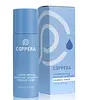
This calming toner is formulated around Copper Tripeptide-1 and Niacinamide to calm redness and strengthen the skin barrier.
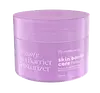
This barrier-repair moisturizer is formulated around Ceramide NP and Panthenol to strengthen the skin barrier and hydrate skin.

What's inside
What's inside
 Key Ingredients
Benefits
Concerns
No concerns
Ingredients Side-by-side
Water
Skin ConditioningButylene Glycol
Humectant

Glycerin
Humectant
PEG/PPG-17/6 Copolymer
Solvent1,2-Hexanediol
Skin Conditioning
Niacinamide
Smoothing









Phenoxyethanol
Preservative
Tremella Fuciformis Polysaccharide
Emulsion Stabilising
Allantoin
Skin Conditioning
Gentiana Scabra Root Extract
Skin ConditioningDisodium EDTA
ChelatingXanthan Gum
EmulsifyingCaprylyl Glycol
Emollient
Hydroxyacetophenone
Antioxidant
Octyldodecanol
Emollient
Lecithin
Emollient
Hexylene Glycol
EmulsifyingPentylene Glycol
Skin Conditioning
Ceramide NP
Skin Conditioning
Cholesterol
Emollient
Madecassoside
Antioxidant
Copper Tripeptide-1
Skin Conditioning
Ethylhexylglycerin
Skin ConditioningCentella Asiatica Extract
Cleansing
Sodium Acetylated Hyaluronate
Humectant
Tocopheryl Acetate
Antioxidant
Sodium Hyaluronate
Humectant
Asiaticoside
Antioxidant
Sodium Hyaluronate Crosspolymer
Humectant
Hydrolyzed Sodium Hyaluronate
Skin Conditioning
Water, Butylene Glycol, Glycerin, PEG/PPG-17/6 Copolymer, 1,2-Hexanediol, Niacinamide, Phenoxyethanol, Tremella Fuciformis Polysaccharide, Allantoin, Gentiana Scabra Root Extract, Disodium EDTA, Xanthan Gum, Caprylyl Glycol, Hydroxyacetophenone, Octyldodecanol, Lecithin, Hexylene Glycol, Pentylene Glycol, Ceramide NP, Cholesterol, Madecassoside, Copper Tripeptide-1, Ethylhexylglycerin, Centella Asiatica Extract, Sodium Acetylated Hyaluronate, Tocopheryl Acetate, Sodium Hyaluronate, Asiaticoside, Sodium Hyaluronate Crosspolymer, Hydrolyzed Sodium Hyaluronate
Ceramide NP
Skin Conditioning
Glycerin
Humectant
Hyaluronic Acid
Humectant
Panthenol
Skin Conditioning
Allantoin
Skin Conditioning
Copper Tripeptide-1
Skin Conditioning
Palmitoyl Tripeptide-5
Skin Conditioning
Onsen-Sui
Avena Sativa Kernel Oil
Skin Conditioning


Tuber Magnatum Extract
Skin ConditioningPrunus Persica Leaf Extract
Emollient
Opuntia Ficus-Indica Stem Extract
Skin Conditioning
Rosmarinus Officinalis Leaf Extract
Antimicrobial
Reviews
Ingredients Explained
These ingredients are found in both products.
Ingredients higher up in an ingredient list are typically present in a larger amount.
Allantoin is a soothing ingredient known for its protective and moisturizing properties; it's basically a quiet workhorse ingredient you can find in a huge range of cosmetics.
Though it can be derived from the comfrey plant, allantoin is produced synthetically for cosmetic products to ensure purity.
Research shows it can encourage your skin cells to turn over and renew by stimulating keratinocyte and fibroblast proliferation.
It also has mild keratolytic properties to help loosen and shed dead skin cells without being harsh.
Studies also suggest allantoin can help calm inflammation by dialing down some of the chemical signals your skin sends out when it is irritated.
This ingredient is typically used in the 0.1-0.5% range, and the FDA recognizes it as a skin protectant in OTC products up to 2%.
Overall, allantoin is a wonderful addition to most routines; it is stable across a wide pH range (~4-8), works well with other ingredients, and is considered non-sensitizing/non-irritating.
Fun fact: Allantoin is naturally occurring in comfrey root, beets, chamomile, and wheat sprouts. Our bodies even produce it as a byproduct of uric acid metabolism.
Learn more about AllantoinCeramide NP (formerly known as Ceramide 3) is one of the skin's naturally occurring lipids.
Since ceramides are the major lipid components of the skin, they are crucial for maintaining skin barrier and hydration. Ceramide NP most closely mirrors the dominant kind in human skin amongst ceramide subtypes.
This ceramide works by slotting into gaps within the stratum corneum's lipid matrix to limit trans-epidermal water loss (TEWL) and shield the skin against external irritants.
A study with 312 patients found that using a ceramide-containing routine for 4 weeks reduced the severity of atopic dermatitis by over 61%.
Another clinical study in subjects aged 60 and older found that a ceramide body wash and moisturizer improved skin dryness and itchy skin in 15 days.
Overall, ceramides are considered non-irritating and safety tests have found little to no observable adverse effects from using this ingredient.
Ceramide NP is usually sourced from plants (like soybean or rice bran), or produced synthetically.
Learn more about Ceramide NPCopper Tripeptide-1 (GHK-Cu) is a skin repairing ingredient said to boost collagen, improve firmness, and support skin regeneration.
It is a complex made up of a naturally occurring peptide (glycine-histidine-lysine) and copper, an essential trace element.
While studying wound healing, researchers noticed GHK-Cu stimulated hair follicle enlargement and growth by keeping hair in its active growth phase longer. This has made it a promising ingredient for hair regrowth treatments.
Some people have reported increased facial hair. While GHK-Cu can make your hair follicles bigger, it usually doesn’t turn soft, barely-visible facial hairs into thick, dark ones.
Anecdotal reports suggest that overusing copper peptides might lead to premature aging due to excess free copper or enzyme imbalances. This claim isn’t backed by large-scale studies.
Unfortunately, there are limited human studies for this ingredient. While early results are promising, many studies are either small, in-vitro, or not rigorously controlled.
For example, there is a 1998 study that explored the effects of copper tripeptide, vitamin C, tretinoin, and melatonin on skin repair and collagen synthesis.
After one month, increased procollagen production was seen in 7 out of 10 participants using copper tripeptide (more than those using vitamin C, melatonin, or tretinoin.
While the study was exploratory, it offers early evidence that copper tripeptide may support collagen production. Larger, well-designed trials are still needed to confirm its potential and understand individual responses.
Read more about other common types of peptides here:
Learn more about Copper Tripeptide-1Glycerin (or glycerol) is a compound naturally found in your skin. It's a powerhouse humectant that pulls water into the stratum corneum.
Topically, glycerin does several things at once:
Your skin makes glycerin on its own (mostly from sebaceous oil breakdown) and shuttles it to your outermost layer of skin, or your epidermis, via aquaporin-3.
Aquaporin-3 is a transporter that is essential for normal skin hydration, elasticity, and repair. Interestingly, mice lacking in AQP3 have dry and less elastic skin that can be fully corrected with glycerin.
This ingredient is non-irritating, plays well with almost every ingredient, and works across all skin types. Typical use is anywhere between 3-10% but can go up to 79% in some leave-on products.
Just know very high concentrations (>40%) can feel tacky in low humidity.
Glycerin is the name for this ingredient in American English. British English uses Glycerol/Glycerine.
Learn more about Glycerin

