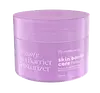
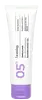
Madame Gie Necessity Skin Barrier Moisturizer Versus Facetology Triple Care 5% Panthenol Barrier Boost Gel
This barrier-repair moisturizer is formulated around Ceramide NP and Panthenol to strengthen the skin barrier and hydrate skin.
This barrier-repair moisturizer is formulated around Panthenol and Saccharide Isomerate to strengthen the skin barrier and calm redness.

What's inside
What's inside
 Key Ingredients
Benefits
Concerns
No concerns
Ingredients Side-by-side
Ceramide NP
Skin Conditioning





Glycerin
Humectant
Hyaluronic Acid
Humectant
Panthenol
Skin Conditioning
Allantoin
Skin Conditioning
Copper Tripeptide-1
Skin Conditioning
Palmitoyl Tripeptide-5
Skin Conditioning
Onsen-Sui
Avena Sativa Kernel Oil
Skin Conditioning


Tuber Magnatum Extract
Skin ConditioningPrunus Persica Leaf Extract
Emollient
Opuntia Ficus-Indica Stem Extract
Skin Conditioning
Rosmarinus Officinalis Leaf Extract
AntimicrobialWater
Skin ConditioningPanthenol
Skin Conditioning
Butylene Glycol
Humectant
Glycerin
Humectant
Saccharide Isomerate
Humectant
Codium Tomentosum Extract
Skin ProtectingSea Water
HumectantSodium Hyaluronate
Humectant
Phenoxyethanol
Preservative
Carbomer
Emulsion StabilisingCentella Asiatica Leaf Extract
Skin Conditioning
Propanediol
Solvent
Allantoin
Skin Conditioning
Triethanolamine
BufferingDisodium EDTA
ChelatingBis-PEG-15 Methyl Ether Dimethicone
Emulsifying
Pentylene Glycol
Skin Conditioning
Lactobacillus/Collagen/Mesembryanthemum Crystallinum Leaf Extract Ferment Lysate
Skin Conditioning
Citric Acid
Buffering

Sodium Citrate
BufferingPolyglutamic Acid
Skin Conditioning
Hydrolyzed Hyaluronic Acid
Humectant
Glyceryl Acrylate/Acrylic Acid Copolymer
Humectant1,2-Hexanediol
Skin Conditioning
Pvm/Ma Copolymer
Emulsion StabilisingHydroxypropyltrimonium Hyaluronate
Ethylhexylglycerin
Skin ConditioningSodium Acetylated Hyaluronate
Humectant
Water, Panthenol, Butylene Glycol, Glycerin, Saccharide Isomerate, Codium Tomentosum Extract, Sea Water, Sodium Hyaluronate, Phenoxyethanol, Carbomer, Centella Asiatica Leaf Extract, Propanediol, Allantoin, Triethanolamine, Disodium EDTA, Bis-PEG-15 Methyl Ether Dimethicone, Pentylene Glycol, Lactobacillus/Collagen/Mesembryanthemum Crystallinum Leaf Extract Ferment Lysate, Citric Acid, Sodium Citrate, Polyglutamic Acid, Hydrolyzed Hyaluronic Acid, Glyceryl Acrylate/Acrylic Acid Copolymer, 1,2-Hexanediol, Pvm/Ma Copolymer, Hydroxypropyltrimonium Hyaluronate, Ethylhexylglycerin, Sodium Acetylated Hyaluronate
Reviews
Ingredients Explained
These ingredients are found in both products.
Ingredients higher up in an ingredient list are typically present in a larger amount.
Allantoin is a soothing ingredient known for its protective and moisturizing properties; it's basically a quiet workhorse ingredient you can find in a huge range of cosmetics.
Though it can be derived from the comfrey plant, allantoin is produced synthetically for cosmetic products to ensure purity.
Research shows it can encourage your skin cells to turn over and renew by stimulating keratinocyte and fibroblast proliferation.
It also has mild keratolytic properties to help loosen and shed dead skin cells without being harsh.
Studies also suggest allantoin can help calm inflammation by dialing down some of the chemical signals your skin sends out when it is irritated.
This ingredient is typically used in the 0.1-0.5% range, and the FDA recognizes it as a skin protectant in OTC products up to 2%.
Overall, allantoin is a wonderful addition to most routines; it is stable across a wide pH range (~4-8), works well with other ingredients, and is considered non-sensitizing/non-irritating.
Fun fact: Allantoin is naturally occurring in comfrey root, beets, chamomile, and wheat sprouts. Our bodies even produce it as a byproduct of uric acid metabolism.
Learn more about AllantoinGlycerin (or glycerol) is a compound naturally found in your skin. It's a powerhouse humectant that pulls water into the stratum corneum.
Topically, glycerin does several things at once:
Your skin makes glycerin on its own (mostly from sebaceous oil breakdown) and shuttles it to your outermost layer of skin, or your epidermis, via aquaporin-3.
Aquaporin-3 is a transporter that is essential for normal skin hydration, elasticity, and repair. Interestingly, mice lacking in AQP3 have dry and less elastic skin that can be fully corrected with glycerin.
This ingredient is non-irritating, plays well with almost every ingredient, and works across all skin types. Typical use is anywhere between 3-10% but can go up to 79% in some leave-on products.
Just know very high concentrations (>40%) can feel tacky in low humidity.
Glycerin is the name for this ingredient in American English. British English uses Glycerol/Glycerine.
Learn more about GlycerinPanthenol is a common ingredient that helps hydrate and soothe the skin. It is found naturally in our skin and hair.
There are two forms of panthenol: D and L.
D-panthenol is also known as dexpanthenol. Most cosmetics use dexpanthenol or a mixture of D and L-panthenol.
Panthenol is famous due to its ability to go deeper into the skin's layers. Using this ingredient has numerous pros (and no cons):
Like hyaluronic acid, panthenol is a humectant. Humectants are able to bind and hold large amounts of water to keep skin hydrated.
This ingredient works well for wound healing. It works by increasing tissue in the wound and helps close open wounds.
Once oxidized, panthenol converts to pantothenic acid. Panthothenic acid is found in all living cells.
This ingredient is also referred to as pro-vitamin B5.
Learn more about Panthenol

