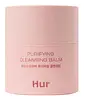
This oil-based makeup remover is made to dissolve makeup, sunscreen, and daily buildup.
This oil-based makeup remover is made to dissolve makeup, sunscreen, and daily buildup.

What's inside
What's inside
 Key Ingredients
Benefits
Concerns
Ingredients Side-by-side
Caprylic/Capric Triglyceride
Masking


C13-15 Alkane
SolventPEG-20 Glyceryl Triisostearate
Emollient

Synthetic Wax
Abrasive

Ricinus Communis Seed Oil
Masking

Helianthus Annuus Seed Oil
Emollient
Silica Dimethyl Silylate
EmollientPolysorbate 85
Emulsifying
Lithospermum Erythrorhizon Root Extract
Skin ConditioningPunica Granatum Fruit Extract
Antioxidant


Ribes Nigrum Fruit Extract
Astringent
Hippophae Rhamnoides Fruit Extract
Skin Conditioning
Fragaria Vesca Fruit Extract
AstringentMalpighia Emarginata Fruit Extract
Skin ConditioningEuterpe Oleracea Fruit Extract
Terminalia Ferdinandiana Fruit Extract
Antioxidant
1,2-Hexanediol
Skin Conditioning
Vaccinium Macrocarpon Fruit Powder
Antioxidant
Trihydroxystearin
Skin Conditioning
Tocopheryl Acetate
Antioxidant

Zea Mays Germ Oil
Emollient
Pentaerythrityl Tetra-Di-T-Butyl Hydroxyhydrocinnamate
Antioxidant
Water
Skin ConditioningButylene Glycol
Humectant
Caprylic/Capric Triglyceride, C13-15 Alkane, PEG-20 Glyceryl Triisostearate, Synthetic Wax, Ricinus Communis Seed Oil, Helianthus Annuus Seed Oil, Silica Dimethyl Silylate, Polysorbate 85, Lithospermum Erythrorhizon Root Extract, Punica Granatum Fruit Extract, Ribes Nigrum Fruit Extract, Hippophae Rhamnoides Fruit Extract, Fragaria Vesca Fruit Extract, Malpighia Emarginata Fruit Extract, Euterpe Oleracea Fruit Extract, Terminalia Ferdinandiana Fruit Extract, 1,2-Hexanediol, Vaccinium Macrocarpon Fruit Powder, Trihydroxystearin, Tocopheryl Acetate, Zea Mays Germ Oil, Pentaerythrityl Tetra-Di-T-Butyl Hydroxyhydrocinnamate, Water, Butylene Glycol
Canola Oil
Emollient

Triethylhexanoin
MaskingPEG-20 Glyceryl Triisostearate
Emollient
PEG-8 Isostearate
Emulsifying
Helianthus Annuus Seed Oil
Emollient
Squalane
Emollient
Olea Europaea Fruit Oil
Masking
Rosa Canina Fruit Oil
Emollient
Camellia Japonica Seed Oil
Emollient
Macadamia Ternifolia Seed Oil
Emollient
Sodium Hyaluronate
Humectant
Euterpe Oleracea Fruit Extract
Propolis Extract
Skin Conditioning

Tocopheryl Acetate
Antioxidant
Camellia Sinensis Leaf Extract
Antimicrobial

Pyrus Communis Fruit Extract
Skin ConditioningRosa Damascena Flower Water
Masking
Iris Florentina Root Extract
MaskingCucumis Melo Fruit Extract
Skin ConditioningHedera Helix Leaf/Stem Extract
AntimicrobialCanola Oil, Triethylhexanoin, PEG-20 Glyceryl Triisostearate, PEG-8 Isostearate, Helianthus Annuus Seed Oil, Squalane, Olea Europaea Fruit Oil, Rosa Canina Fruit Oil, Camellia Japonica Seed Oil, Macadamia Ternifolia Seed Oil, Sodium Hyaluronate, Euterpe Oleracea Fruit Extract, Propolis Extract, Tocopheryl Acetate, Camellia Sinensis Leaf Extract, Pyrus Communis Fruit Extract, Rosa Damascena Flower Water, Iris Florentina Root Extract, Cucumis Melo Fruit Extract, Hedera Helix Leaf/Stem Extract
Reviews
Ingredients Explained
These ingredients are found in both products.
Ingredients higher up in an ingredient list are typically present in a larger amount.
This extract comes from the Cabbage Palm, AKA the Açaí berry! It has skin soothing and antioxidant properties.
Acai berries are rich in antioxidants, including ferulic acid (The famous vitamin C stabilizer). Antioxidants protect your skin against damaging free-radical molecules.
You can also find carbohydrates, lipids, proteins, minerals, vitamin A, and Vitamin C in these berries.
Learn more about Euterpe Oleracea Fruit ExtractHelianthus Annuus Seed Oil is a plant oil derived from the seeds of a sunflower.
It is rich in fatty acids, primarily linoleic acid and oleic acid. This gives it emollient and skin conditioning properties.
The reason this ingredient is so effective is because it forms a thin film on the skin that reduces transepidermal water loss (TEWL) while supplying linoleic acid to the stratum corneum to improve barrier strength.
The high linoleic acid content is particularly noteworthy for acne-prone skin.
Research suggests that acne-prone skin tends to be deficient in linoleic acid in sebum. Topical application may help replenish this to support a healthier follicular environment and less comedone-promoting sebum.
One randomized study found sunflower seed oil preserved skin barrier integrity in adult volunteers with and without atopic dermatitis (outperforming olive oil).
This ingredient is well-studied, gentle, and an effective emollient suitable for most skin types.
On fungal acne: This ingredient may not be Fungal acne (Malassezia folliculitis) safe. This is because it contains fatty acids with carbon chain lengths in the C11-C24 range.
Learn more about Helianthus Annuus Seed OilPEG-20 Glyceryl Triisostearate is a synthetic, oil-loving helper ingredient that does two jobs:
This ingredient is made by joining three building blocks: PEG, Isostearic Acid and glycerin. The PEG gives it the oil-and-water blending power.
This ingredient has been found safe for use in cosmetics and broader PEG family testing shows minimal irritation/sensitization. The molecule's large size also means it isn't expected to penetrate skin to any meaningful degree.
Fungal acne note: This ingredient may not be fungal acne safe due to isostearic acid (C18). Isostearic acid falls into the C11-24 range that Malassezia can feed on.
Learn more about PEG-20 Glyceryl TriisostearateTocopheryl Acetate is a stable, shelf-friendly form of vitamin E.
Formulators love it because plain vitamin E oxidizes quickly once it hits air. This acetate version stays stable and resists going off, helping to extend a product's shelf life.
It's actually inactive on its own and works like a slow-release "storage" form; the enzymes in your skin called esterases gradually convert it into active vitamin E over time.
One in vivo study showed 5% of the acetate in the living layer of the epidermis converted to vitamin E after 5 days of application. This study also found the skin gained protection against UV damage even though the conversion was slow and small.
Once converted, vitamin E acts as a skin's main fat-soluble antioxidant that fights free radicals to protect skin from damage.
Topical vitamin E generally boosts the skin's photoprotection, and it reduced UV-damage in animal models.
This ingredient has some brightening potential but it's more of a prevention ingredient than spot-fader. Cell studies show it can slow down melanin production but it's worth noting that it's not the most powerful brightener out there.
Overall, it has a pretty solid safety profile and has been found to be non-irritating and non-comedogenic. Allergic reactions may happen but stay rare due to how widely the ingredient gets used.
The concentration will vary depending on the formula; industry data shows 0.1% in baby lotions, 3% in lipsticks, and 5% in foot powders. You can also find this ingredient at 100% in a pure vitamin E oil.
Most leave-on skincare keeps it at the lower end, often between 0.5-1%.
Learn more about Tocopheryl Acetate

