
What's inside
What's inside
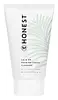 Key Ingredients
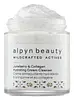
Benefits
Concerns
Ingredients Side-by-side
Water
Skin ConditioningSodium Cocoyl Glycinate
Cleansing
Cocamidopropyl Hydroxysultaine
Cleansing
Cetyl Alcohol
Emollient

Glyceryl Stearate Se
Emulsifying

Isoamyl Laurate
Emollient
Propanediol
Solvent

Caprylic/Capric Triglyceride
Masking
Sodium Chloride
MaskingPhytosterols
Skin Conditioning
Phospholipids
Skin Conditioning
Hydrolyzed Sodium Hyaluronate
Skin Conditioning
Trisodium Ethylenediamine Disuccinate
Sodium PCA
Humectant
Arginine
Masking
Glutamic Acid
Humectant
Xanthan Gum
EmulsifyingHydroxyacetophenone
Antioxidant

Linoleic Acid
Cleansing
1,2-Hexanediol
Skin Conditioning
Caprylyl Glycol
Emollient
Citric Acid
Buffering


Water, Sodium Cocoyl Glycinate, Cocamidopropyl Hydroxysultaine, Cetyl Alcohol, Glyceryl Stearate Se, Isoamyl Laurate, Propanediol, Caprylic/Capric Triglyceride, Sodium Chloride, Phytosterols, Phospholipids, Hydrolyzed Sodium Hyaluronate, Trisodium Ethylenediamine Disuccinate, Sodium PCA, Arginine, Glutamic Acid, Xanthan Gum, Hydroxyacetophenone, Linoleic Acid, 1,2-Hexanediol, Caprylyl Glycol, Citric Acid
Water
Skin ConditioningHelianthus Annuus Seed Oil
Emollient
Cetyl Alcohol
Emollient
Glycerin
Humectant
Cetearyl Alcohol
Emollient
Cetearyl Olivate
Sorbitan Olivate
Emulsifying
Theobroma Cacao Seed Butter
Emollient
Propanediol
Solvent
Kaolin
Abrasive



Decyl Glucoside
Cleansing
Bakuchiol
Antimicrobial


Collagen
Moisturising
Jojoba Esters
Emollient
Amelanchier Alnifolia Fruit Extract
Skin ConditioningSclerotium Gum
Emulsion StabilisingCetearyl Glucoside
Emulsifying
Caprylyl Glycol
Emollient
1,2-Hexanediol
Skin Conditioning
Sodium Lauroyl Sarcosinate
CleansingAcacia Senegal Gum
MaskingXanthan Gum
EmulsifyingCitric Acid
Buffering
Eucalyptus Globulus Leaf Oil
Perfuming



Tremella Fuciformis Polysaccharide
Emulsion Stabilising
Salicylic Acid
Masking



Menthol
Masking
Simmondsia Chinensis Seed Oil
Emollient
Glucose
Humectant
Iron Oxides
CI 77491
Cosmetic ColorantCaprylic/Capric Triglyceride
Masking
3-O-Ethyl Ascorbic Acid
Skin Conditioning
Pistacia Lentiscus Gum
MaskingHydrogenated Lecithin
Emulsifying
Phenethyl Alcohol
MaskingEthylhexylglycerin
Skin ConditioningWater, Helianthus Annuus Seed Oil, Cetyl Alcohol, Glycerin, Cetearyl Alcohol, Cetearyl Olivate, Sorbitan Olivate, Theobroma Cacao Seed Butter, Propanediol, Kaolin, Decyl Glucoside, Bakuchiol, Collagen, Jojoba Esters, Amelanchier Alnifolia Fruit Extract, Sclerotium Gum, Cetearyl Glucoside, Caprylyl Glycol, 1,2-Hexanediol, Sodium Lauroyl Sarcosinate, Acacia Senegal Gum, Xanthan Gum, Citric Acid, Eucalyptus Globulus Leaf Oil, Tremella Fuciformis Polysaccharide, Salicylic Acid, Menthol, Simmondsia Chinensis Seed Oil, Glucose, Iron Oxides, CI 77491, Caprylic/Capric Triglyceride, 3-O-Ethyl Ascorbic Acid, Pistacia Lentiscus Gum, Hydrogenated Lecithin, Phenethyl Alcohol, Ethylhexylglycerin
Reviews
Ingredients Explained
These ingredients are found in both products.
Ingredients higher up in an ingredient list are typically present in a larger amount.
1,2-Hexanediol is a synthetic liquid and another multi-functional powerhouse.
It is a:
- Humectant, drawing moisture into the skin
- Emollient, helping to soften skin
- Solvent, dispersing and stabilizing formulas
- Preservative booster, enhancing the antimicrobial activity of other preservatives
Caprylic/Capric Triglyceride (aka MCT Oil) is a lightweight emollient, solvent, and texture enhancer. It is considered a skin-softener by helping to prevent moisture loss.
Though it behaves like an oil, it is not technically one due to its chemical composition. One perk of this ingredient is that it is very stable, resistant to oxidation, and unlikely to go rancid.
In practice, that translates to a long shelf life and a consistently elegant skin feel.
While there is an assumption Caprylic Triglyceride can clog pores due to it being derived from coconut oil, there is no research supporting this. Just patch test if you have concerns.
Fractionated coconut oil and MCT Oil are both listed as Caprylic/Capric Triglyceride according to INCI. This is because INCI names are based on the ingredient’s final chemical composition and not its marketing name or source.
This ingredient is treated as the gold standard fungal acne safe oil. Even though it is coconut derived, the problematic lauric acid is stripped out.
This leaves just caprylic (C8) and capric (C10) acid. These chain lengths actually trend antifungal; a 2020 study found caprylic acid was enough to disrupt Malassezia furfur cell membrane, with a caprylic acid derivative damaging membrane structures at concentrations as low as 0.2%.
Learn more about Caprylic/Capric TriglycerideCaprylyl Glycol is a humectant, skin conditioner, emollient, and preservative booster derived from either caprylic acid or synthetically created.
Typical use levels vary from 0.3-1% as a preservative booster and go up to 2% to condition skin.
Because it is not a free-fatty acid, this ingredient is fungal acne safe (there's nothing for Malassezia to feed on).
Learn more about Caprylyl GlycolCetyl Alcohol is a fatty alcohol. Fatty Alcohols are most often used as an emollient or to thicken a product.
Its main roles are:
Though it has "alcohol" in the name, it is not related to denatured alcohol or ethyl alcohol.
The FDA allows products labeled "alcohol-free" to have fatty alcohols.
This ingredient may not be fungal acne safe. It is a primary fatty alcohol with a chain length above 12 carbons. A study from 2019 show Malassezia can feed on fatty alcohols in this range, so it may trigger fungal acne in those prone to it.
Learn more about Cetyl AlcoholCitric Acid is an alpha hydroxy acid (AHA) naturally found in citrus fruits like oranges, lemons, and limes.
Like other AHAs, citric acid can exfoliate skin by breaking down the bonds that hold dead skin cells together. This helps reveal smoother and brighter skin underneath.
However, this exfoliating effect only happens at high concentrations (20%) which can be hard to find in cosmetic products.
Due to this, citric acid is usually included in small amounts as a pH adjuster. This helps keep products slightly more acidic and compatible with skin's natural pH.
In skincare formulas, citric acid can:
While it can provide some skin benefits, research shows lactic acid and glycolic acid are generally more effective and less irritating exfoliants.
Most citric acid used in skincare today is made by fermenting sugars (usually from molasses). This synthetic version is identical to the natural citrus form but easier to stabilize and use in formulations.
Read more about some other popular AHA's here:
Learn more about Citric AcidPropanediol is an all-star ingredient. It softens, hydrates, and smooths the skin.
It’s often used to:
Propanediol is not likely to cause sensitivity and considered safe to use. It is derived from corn or petroleum with a clear color and no scent.
Learn more about PropanediolWater. It's the most common cosmetic ingredient of all. You'll usually see it at the top of ingredient lists, meaning that it makes up the largest part of the product.
So why is it so popular? Water most often acts as a solvent - this means that it helps dissolve other ingredients into the formulation.
You'll also recognize water as that liquid we all need to stay alive. If you see this, drink a glass of water. Remember to stay hydrated!
Learn more about WaterXanthan gum is used as a stabilizer and thickener within cosmetic products. It helps give products a sticky, thick feeling - preventing them from being too runny.
On the technical side of things, xanthan gum is a polysaccharide - a combination consisting of multiple sugar molecules bonded together.
Xanthan gum is a pretty common and great ingredient. It is a natural, non-toxic, non-irritating ingredient that is also commonly used in food products.
Learn more about Xanthan Gum
