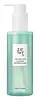
This mild gel cleanser is made to cleanse while calming and soothing your skin.
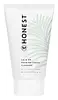
This mild cream cleanser is made to cleanse while calming and soothing your skin.


What's inside
What's inside
 Key Ingredients
Benefits
Concerns
Ingredients Side-by-side
Water
Skin ConditioningPrunus Mume Fruit Water
HumectantCocamidopropyl Hydroxysultaine
Cleansing
Phaseolus Radiatus Seed Extract
Skin ConditioningSodium Cocoyl Isethionate
Cleansing
Glycerin
Humectant


Sodium Chloride
MaskingCamellia Sinensis Leaf Extract
Antimicrobial






Houttuynia Cordata Extract
Skin Conditioning
Nelumbo Nucifera Flower Extract
Skin ConditioningOryza Sativa Extract
Absorbent
Prunus Mume Fruit Extract
Humectant
Vaccinium Angustifolium Fruit Extract
Skin Protecting
Guar Hydroxypropyltrimonium Chloride
Skin ConditioningCoconut Acid
Cleansing

Ethylhexylglycerin
Skin ConditioningCaprylyl Glycol
Emollient
Sodium Isethionate
CleansingCitric Acid
Buffering
Butylene Glycol
Humectant
1,2-Hexanediol
Skin Conditioning
Hydroxyacetophenone
Antioxidant
Dextrin
AbsorbentMelia Azadirachta Leaf Extract
Skin ConditioningMelia Azadirachta Flower Extract
Skin ConditioningGardenia Florida Fruit Extract
Skin ConditioningPropylene Glycol Laurate
Skin ConditioningSodium Citrate
BufferingDisodium EDTA
ChelatingWater, Prunus Mume Fruit Water, Cocamidopropyl Hydroxysultaine, Phaseolus Radiatus Seed Extract, Sodium Cocoyl Isethionate, Glycerin, Sodium Chloride, Camellia Sinensis Leaf Extract, Houttuynia Cordata Extract, Nelumbo Nucifera Flower Extract, Oryza Sativa Extract, Prunus Mume Fruit Extract, Vaccinium Angustifolium Fruit Extract, Guar Hydroxypropyltrimonium Chloride, Coconut Acid, Ethylhexylglycerin, Caprylyl Glycol, Sodium Isethionate, Citric Acid, Butylene Glycol, 1,2-Hexanediol, Hydroxyacetophenone, Dextrin, Melia Azadirachta Leaf Extract, Melia Azadirachta Flower Extract, Gardenia Florida Fruit Extract, Propylene Glycol Laurate, Sodium Citrate, Disodium EDTA
Water
Skin ConditioningSodium Cocoyl Glycinate
Cleansing
Cocamidopropyl Hydroxysultaine
Cleansing
Cetyl Alcohol
Emollient
Glyceryl Stearate Se
Emulsifying


Isoamyl Laurate
Emollient
Propanediol
Solvent
Caprylic/Capric Triglyceride
Masking
Sodium Chloride
MaskingPhytosterols
Skin Conditioning
Phospholipids
Skin Conditioning
Hydrolyzed Sodium Hyaluronate
Skin Conditioning
Trisodium Ethylenediamine Disuccinate
ChelatingSodium PCA
Humectant
Arginine
Masking
Glutamic Acid
Humectant
Xanthan Gum
EmulsifyingHydroxyacetophenone
Antioxidant
Linoleic Acid
Cleansing
1,2-Hexanediol
Skin Conditioning
Caprylyl Glycol
Emollient
Citric Acid
Buffering
Water, Sodium Cocoyl Glycinate, Cocamidopropyl Hydroxysultaine, Cetyl Alcohol, Glyceryl Stearate Se, Isoamyl Laurate, Propanediol, Caprylic/Capric Triglyceride, Sodium Chloride, Phytosterols, Phospholipids, Hydrolyzed Sodium Hyaluronate, Trisodium Ethylenediamine Disuccinate, Sodium PCA, Arginine, Glutamic Acid, Xanthan Gum, Hydroxyacetophenone, Linoleic Acid, 1,2-Hexanediol, Caprylyl Glycol, Citric Acid
Reviews
Ingredients Explained
These ingredients are found in both products.
Ingredients higher up in an ingredient list are typically present in a larger amount.
1,2-Hexanediol is a synthetic liquid and another multi-functional powerhouse.
It is a:
- Humectant, drawing moisture into the skin
- Emollient, helping to soften skin
- Solvent, dispersing and stabilizing formulas
- Preservative booster, enhancing the antimicrobial activity of other preservatives
Caprylyl Glycol is a humectant, skin conditioner, emollient, and preservative booster derived from either caprylic acid or synthetically created.
Typical use levels vary from 0.3-1% as a preservative booster and go up to 2% to condition skin.
Because it is not a free-fatty acid, this ingredient is fungal acne safe (there's nothing for Malassezia to feed on).
Learn more about Caprylyl GlycolCitric Acid is an alpha hydroxy acid (AHA) naturally found in citrus fruits like oranges, lemons, and limes.
Like other AHAs, citric acid can exfoliate skin by breaking down the bonds that hold dead skin cells together. This helps reveal smoother and brighter skin underneath.
However, this exfoliating effect only happens at high concentrations (20%) which can be hard to find in cosmetic products.
Due to this, citric acid is usually included in small amounts as a pH adjuster. This helps keep products slightly more acidic and compatible with skin's natural pH.
In skincare formulas, citric acid can:
While it can provide some skin benefits, research shows lactic acid and glycolic acid are generally more effective and less irritating exfoliants.
Most citric acid used in skincare today is made by fermenting sugars (usually from molasses). This synthetic version is identical to the natural citrus form but easier to stabilize and use in formulations.
Rosacea skin has a lower threshold for acids generally, with 62.5% of rosacea subjects in one study reacting to lactic acid in a sting test. This is why we mark citric acid as a potential rosacea trigger.
However, this ingredient shows up as a pH adjuster or chelator at roughly 0.1-1% in many products. These low levels are unlikely to be an issue for rosacea skin and becomes a potential trigger at exfoliating concentrations (20%). Because everybody's skin is unique, we recommend a patch test if you are unsure.
Learn more about Citric AcidCocamidopropyl Hydroxysultaine is a synthetic cleansing agent, though it is derived from coconut oil.
It is used to enhance the texture of products by boosting lather and thickening the texture. As a cleanser, Cocamidopropyl Hydroxysultaine is mild.
Hydroxyacetophenone is a small phenolic molecule that earns its place in a formulas as an antioxidant and preservative booster.
As a phenol, it is able to neutralize free radicals to protect both the product and the skin from oxidative stress.
Though it can't kill microbes on its own, it works as a good supporting agent when combined with other preservatives like Phenoxyethanol or 1,2-Hexanediol.
This ingredient naturally occurs as piceol in Norwegian spruce needles (~0.4-1.1% dry weight and in cloudberries). Though the cosmetic-grade material is synthesized for purity and consistency.
You'll usually see it used at low levels and suppliers recommend up to 1% added to a water phase.
Safety testing was done at concentrations like 0.05% in SPF products and 0.5% in a Human Repeated Insult Patch Test. The safety evidence is assuring; this ingredient is safe for cosmetics in current use and also holds safety status as a food flavoring as well.
An honest caveat: the "soothing" and "anti-inflammatory" claims come mostly from supplier marketing rather than published clinical trials. The Cosmetic Ingredient Review's own literature search found no useful efficacy studies on this ingredient.
So the antioxidant and preservative-boosting roles are the well supported ones while the calming benefit is plausible but thinly evidenced.
Overall, this is a well-tolerated, low-irritation multitasker that quietly helps a formula stay fresh and stable.
Learn more about HydroxyacetophenoneChances are, you eat sodium chloride every day. Sodium Chloride is also known as table salt. This ingredient has many purposes in skincare: thickener, emulsifier, and exfoliator.
You'll most likely find this ingredient in cleansers where it is used to create a gel-like texture. As an emulsifier, it also prevents ingredients from separating.
You might see people debate whether Sodium Chloride is comedogenic, but there actually haven't been any comedogenic tests done on it. Either way, the overall formulation of a product matters a lot more than any single ingredient.
You might see this ingredient used in scrubs as a primary exfoliating ingredient.
Learn more about Sodium ChlorideWater. It's the most common cosmetic ingredient of all. You'll usually see it at the top of ingredient lists, meaning that it makes up the largest part of the product.
So why is it so popular? Water most often acts as a solvent - this means that it helps dissolve other ingredients into the formulation.
You'll also recognize water as that liquid we all need to stay alive. If you see this, drink a glass of water. Remember to stay hydrated!
Learn more about Water

