Hero Cosmetics Mighty Patch Micropoint for Blemishes Versus Hero Cosmetics Pimple Correct Acne Clearing Gel Pen
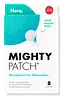
This blemish patch uses Hydrocolloid to cover open blemishes and absorb the fluid they release.
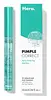
This acne treatment is formulated around Salicylic Acid and Melaleuca Alternifolia Leaf Oil to clear breakouts and refine the look of pores.

What's inside
What's inside
 Key Ingredients
Benefits
Concerns
Ingredients Side-by-side

Salicylic Acid 2%
Masking










Water
Skin ConditioningButylene Glycol
Humectant

Nigella Sativa Seed Extract
Perfuming
Isopentyldiol
Humectant
Sodium Polyacrylate
Absorbent
Lactic Acid
Buffering



Hydroxyethylcellulose
Emulsion StabilisingMelaleuca Alternifolia Leaf Oil
Antioxidant


Niacinamide
Smoothing


Polydextrose
HumectantCaffeine
Skin Conditioning
Maltodextrin
Absorbent
Xanthan Gum
EmulsifyingAllantoin
Skin Conditioning
Ceratonia Siliqua Gum
EmollientSodium Hydroxide
BufferingOpuntia Ficus-Indica Stem Extract
Skin Conditioning
Agar
MaskingAloe Barbadensis Leaf Juice Powder
Skin Conditioning
Glycerin
Humectant
Biosaccharide Gum-1
Humectant
Melia Azadirachta Leaf Extract
Skin ConditioningMelia Azadirachta Flower Extract
Skin Conditioning1,2-Hexanediol
Skin Conditioning
Caprylyl Glycol
Emollient
Sodium Levulinate
Skin ConditioningGlyceryl Caprylate
EmollientTocopherol
Antioxidant
Tocopheryl Acetate
Antioxidant
Coccinia Indica Fruit Extract
Skin Conditioning
Disodium Phosphate
BufferingPolysorbate 60
Emulsifying
Ammonium Acryloyldimethyltaurate/Vp Copolymer
Gellan Gum
Sodium Anisate
AntimicrobialAloe Barbadensis Flower Extract
EmollientSolanum Melongena Fruit Extract
Skin ConditioningAzelaic Acid
Buffering
Corallina Officinalis Extract
Skin Conditioning
Curcuma Longa Root Extract
Antioxidant
Ocimum Sanctum Leaf Extract
Skin ConditioningSimmondsia Chinensis Seed Oil
Emollient
Sodium Phosphate
BufferingSebacic Acid
BufferingLimonene
Perfuming
Salicylic Acid 2%, Water, Butylene Glycol, Nigella Sativa Seed Extract, Isopentyldiol, Sodium Polyacrylate, Lactic Acid, Hydroxyethylcellulose, Melaleuca Alternifolia Leaf Oil, Niacinamide, Polydextrose, Caffeine, Maltodextrin, Xanthan Gum, Allantoin, Ceratonia Siliqua Gum, Sodium Hydroxide, Opuntia Ficus-Indica Stem Extract, Agar, Aloe Barbadensis Leaf Juice Powder, Glycerin, Biosaccharide Gum-1, Melia Azadirachta Leaf Extract, Melia Azadirachta Flower Extract, 1,2-Hexanediol, Caprylyl Glycol, Sodium Levulinate, Glyceryl Caprylate, Tocopherol, Tocopheryl Acetate, Coccinia Indica Fruit Extract, Disodium Phosphate, Polysorbate 60, Ammonium Acryloyldimethyltaurate/Vp Copolymer, Gellan Gum, Sodium Anisate, Aloe Barbadensis Flower Extract, Solanum Melongena Fruit Extract, Azelaic Acid, Corallina Officinalis Extract, Curcuma Longa Root Extract, Ocimum Sanctum Leaf Extract, Simmondsia Chinensis Seed Oil, Sodium Phosphate, Sebacic Acid, Limonene
Reviews
Ingredients Explained
These ingredients are found in both products.
Ingredients higher up in an ingredient list are typically present in a larger amount.
1,2-Hexanediol is a synthetic liquid and another multi-functional powerhouse.
It is a:
- Humectant, drawing moisture into the skin
- Emollient, helping to soften skin
- Solvent, dispersing and stabilizing formulas
- Preservative booster, enhancing the antimicrobial activity of other preservatives
Butylene Glycol (or BG) is used within cosmetic products for a few different reasons:
Overall, Butylene Glycol is a safe and well-rounded ingredient that works well with other ingredients.
Though this ingredient works well with most skin types, some people with sensitive skin may experience a reaction such as allergic rashes, closed comedones, or itchiness.
Learn more about Butylene GlycolNiacinamide is a multitasking form of vitamin B3 that strengthens the skin barrier, reduces pores and dark spots, regulates oil, and improves signs of aging.
And the best part? It's gentle and well-tolerated by most skin types, including sensitive and reactive skin.
You might have heard of "niacin flush", or the reddening of skin that causes itchiness. Niacinamide has not been found to cause this.
In very rare cases, some individuals may not be able to tolerate niacinamide at all or experience an allergic reaction to it.
If you are experiencing flaking, irritation, and dryness with this ingredient, be sure to double check all your products as this ingredient can be found in all categories of skincare.
When incorporating niacinamide into your routine, look out for concentration amounts. Typically, 5% niacinamide provides benefits such as fading dark spots. However, if you have sensitive skin, it is better to begin with a smaller concentration.
When you apply niacinamide to your skin, your body converts it into nicotinamide adenine dinucleotide (NAD). NAD is an essential coenzyme that is already found in your cells as "fuel" and powers countless biological processes.
In your skin, NAD helps repair cell damage, produce new healthy cells, support collagen production, strengthen the skin barrier, and fight environmental stressors (like UV and pollution).
Our natural NAD levels start to decline with age, leading to slower skin repair, visible aging, and a weaker skin barrier. By providing your skin niacinamide, you're recharging your skin's NAD levels. This leads to stronger, healthier, and younger looking skin.
Another name for vitamin B3 is nicotinamide. This vitamin is water-soluble and our bodies don't store it. We obtain Vitamin B3 from either food or skincare. Meat, fish, wheat, yeast, and leafy greens contain vitamin B3.
The type of niacinamide used in skincare is synthetically created.
Learn more about NiacinamideSalicylic Acid (also known as beta hydroxy acid or BHA) is a well-known ingredient for treating skin that struggles with acne and clogged pores. It exfoliates both the skin's surface and deep within the pores to help clear out buildup, control oil, and reduce inflammation.
Unlike AHAs (alpha hydroxy acids), salicylic acid is oil-soluble. This allows it to penetrate into pores which makes it especially effective for treating blackheads and preventing future breakouts.
Salicylic acid is also known for its soothing properties. It has a similar structure to aspirin and can calm inflamed or irritated skin, making it a good option for acne-prone skin that is also sensitive.
Concentrations of 0.5-2% are recognized by the U.S. FDA as an over-the-counter topical acne product.
It can cause irritation and/or dryness if one's skin already has a compromised moisture barrier, so it's best to focus on repairing that before introducing this ingredient into your routine.
While salicylic acid does not increase sun sensitivity, it’s still important to wear sunscreen daily to protect your skin.
If you are looking for the ingredient called BHA or Butylated Hydroxyanisole, click here.
Learn more about Salicylic AcidWater. It's the most common cosmetic ingredient of all. You'll usually see it at the top of ingredient lists, meaning that it makes up the largest part of the product.
So why is it so popular? Water most often acts as a solvent - this means that it helps dissolve other ingredients into the formulation.
You'll also recognize water as that liquid we all need to stay alive. If you see this, drink a glass of water. Remember to stay hydrated!
Learn more about Water

