Herbivore Pink Cloud Rosewater + Tremella Creamy Jelly Cleanser Versus Huangjisoo Pure Foaming Cleanser Anti-Trouble Chamomile
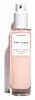
This mild cream cleanser is made to cleanse while calming and soothing your skin.
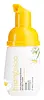
This mild foaming cleanser is made to cleanse while calming and soothing your skin.


What's inside
What's inside
 Key Ingredients
Benefits
Concerns
Ingredients Side-by-side
Water
Skin ConditioningRosa Damascena Flower Water
Masking

Decyl Glucoside
Cleansing
Glycerin
Humectant


Sodium Lauroyl Lactylate
EmulsifyingSqualane
Emollient
Glyceryl Caprylate
EmollientXanthan Gum
EmulsifyingGlyceryl Stearate
Emollient

Tremella Fuciformis Sporocarp Extract
Antioxidant
Caprylhydroxamic Acid
Camellia Sinensis Leaf Extract
Antimicrobial


Aloe Barbadensis Leaf Juice
Skin Conditioning
Citric Acid
Buffering
Eclipta Prostrata Extract
Skin Conditioning
Sodium Hyaluronate
Humectant
Melia Azadirachta Leaf Extract
Skin ConditioningMoringa Oleifera Seed Oil
Emollient


Cocos Nucifera Fruit Juice
Emollient
Tapioca Starch
Water, Rosa Damascena Flower Water, Decyl Glucoside, Glycerin, Sodium Lauroyl Lactylate, Squalane, Glyceryl Caprylate, Xanthan Gum, Glyceryl Stearate, Tremella Fuciformis Sporocarp Extract, Caprylhydroxamic Acid, Camellia Sinensis Leaf Extract, Aloe Barbadensis Leaf Juice, Citric Acid, Eclipta Prostrata Extract, Sodium Hyaluronate, Melia Azadirachta Leaf Extract, Moringa Oleifera Seed Oil, Cocos Nucifera Fruit Juice, Tapioca Starch
Sodium Cocoyl Apple Amino Acids
Skin Conditioning
Water
Skin ConditioningAesculus Hippocastanum Extract
Antioxidant
Phaseolus Radiatus Seed Extract
Skin ConditioningChamomilla Recutita Flower Extract
Masking
Diospyros Kaki Leaf Extract
Skin Protecting
Centella Asiatica Extract
Cleansing
Allium Sativum Bulb Extract
Skin ConditioningLycium Chinense Fruit Extract
Antioxidant
Aloe Barbadensis Leaf Extract
Emollient
Trehalose
Humectant
Morus Alba Leaf Extract
Skin ConditioningCitrus Paradisi Fruit Extract
Skin ConditioningGlycerin
Humectant
Glycyrrhiza Glabra Root Extract
Bleaching
Magnolia Kobus Bark Extract
Skin ConditioningPlantago Asiatica Extract
Skin ConditioningLavandula Angustifolia Extract
Skin Conditioning

Sophora Angustifolia Root Extract
Skin ConditioningHouttuynia Cordata Extract
Skin Conditioning
Taraxacum Officinale Extract
Skin ConditioningArctium Lappa Root Extract
Skin Conditioning
Ginkgo Biloba Leaf Extract
Skin Conditioning
Portulaca Oleracea Extract
Skin Conditioning
1,2-Hexanediol
Skin Conditioning
Zanthoxylum Piperitum Fruit Extract
Skin ConditioningAllantoin
Skin Conditioning
Squalane
Emollient
Ceramide AP
Skin Conditioning
Beta-Glucan
Skin Conditioning
Butyrospermum Parkii Butter
Skin Conditioning
Acacia Concinna Fruit Extract
Skin ConditioningButylene Glycol
Humectant
Caprylyl Glycol
Emollient
Pogostemon Cablin Leaf Oil
Masking
Orchid Extract
Skin ConditioningCitrus Aurantium Amara Leaf/Twig Oil
Masking
Cupressus Sempervirens Oil
Masking
Sodium Cocoyl Apple Amino Acids, Water, Aesculus Hippocastanum Extract, Phaseolus Radiatus Seed Extract, Chamomilla Recutita Flower Extract, Diospyros Kaki Leaf Extract, Centella Asiatica Extract, Allium Sativum Bulb Extract, Lycium Chinense Fruit Extract, Aloe Barbadensis Leaf Extract, Trehalose, Morus Alba Leaf Extract, Citrus Paradisi Fruit Extract, Glycerin, Glycyrrhiza Glabra Root Extract, Magnolia Kobus Bark Extract, Plantago Asiatica Extract, Lavandula Angustifolia Extract, Sophora Angustifolia Root Extract, Houttuynia Cordata Extract, Taraxacum Officinale Extract, Arctium Lappa Root Extract, Ginkgo Biloba Leaf Extract, Portulaca Oleracea Extract, 1,2-Hexanediol, Zanthoxylum Piperitum Fruit Extract, Allantoin, Squalane, Ceramide AP, Beta-Glucan, Butyrospermum Parkii Butter, Acacia Concinna Fruit Extract, Butylene Glycol, Caprylyl Glycol, Pogostemon Cablin Leaf Oil, Orchid Extract, Citrus Aurantium Amara Leaf/Twig Oil, Cupressus Sempervirens Oil
Reviews
Ingredients Explained
These ingredients are found in both products.
Ingredients higher up in an ingredient list are typically present in a larger amount.
Glycerin (or glycerol) is a compound naturally found in your skin. It's a powerhouse humectant that pulls water into the stratum corneum.
Topically, glycerin does several things at once:
Your skin makes glycerin on its own (mostly from sebaceous oil breakdown) and shuttles it to your outermost layer of skin, or your epidermis, via aquaporin-3.
Aquaporin-3 is a transporter that is essential for normal skin hydration, elasticity, and repair. Interestingly, mice lacking in AQP3 have dry and less elastic skin that can be fully corrected with glycerin.
This ingredient is non-irritating, plays well with almost every ingredient, and works across all skin types. Typical use is anywhere between 3-10% but can go up to 79% in some leave-on products.
Just know very high concentrations (>40%) can feel tacky in low humidity.
Glycerin is the name for this ingredient in American English. British English uses Glycerol/Glycerine.
Learn more about GlycerinSqualane is the hydrogenated and shelf-stable form of squalene (a lipid that naturally occurs in human sebum).
It is an emollient and skin conditioning agent that is able to integrate seamlessly into the skin's lipid barrier without clogging pores.
This is due to how structurally similar it is to what your skin already produces.
Though it is mostly an emollient that helps soften and hydrate skin, it also has some humectant and occlusive action. Humectants help the skin retain moisture while occlusives seal it in, making squalane a triple-threat moisturizer.
Research shows it has antioxidant capabilities that help protect against stressors like UV exposure, specifically UVA induced oxidative stress. This study also found that it supports collagen biosynthesis in human dermal fibroblasts.
No clinical study has reported significant adverse effects and irritation reactions are very rare from this ingredient (even at 100% concentration).
Overall, it's a fantastic ingredient for hydration and is suitable for all skin types.
This depends on the source. Squalane can be derived from both plants and animals. Most squalane used in skincare comes from plants.
Please note: the source of squalane is only known if disclosed by the brand. We recommend reaching out to the brand if you have any questions about their squalane.
Read more about squalene with an "e".
Though squalane is often called an oil, it’s technically not one. It is a hydrocarbon, meaning it is only made of carbon and hydrogen. True oils are triglycerides and made of fatty acids and glycerol.
The term “oil-free” isn’t regulated so companies can define it however they want. Some exclude all oils, while others just avoid mineral oil or comedogenic oils.
Squalane has a comedogenic rating of 1 from the original 1972 study that tested raw ingredients under occlusion on rabbit ears. This system is not standardized or peer-reviewed, and using the raw ingredients is very different from how diluted cosmetic formulations are used on human skin.
A comedogenic rating of 1 means it is "unlikely to clog pores" according to the original rating system.
The overall formula of a product matters more than the individual ingredients on whether or not it will cause clogged pores.
Learn more about SqualaneWater. It's the most common cosmetic ingredient of all. You'll usually see it at the top of ingredient lists, meaning that it makes up the largest part of the product.
So why is it so popular? Water most often acts as a solvent - this means that it helps dissolve other ingredients into the formulation.
You'll also recognize water as that liquid we all need to stay alive. If you see this, drink a glass of water. Remember to stay hydrated!
Learn more about Water

