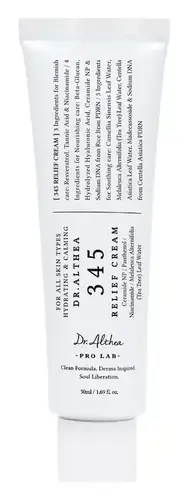
What's inside
What's inside
 Key Ingredients
Benefits
Concerns
Ingredients Side-by-side
Water
Skin ConditioningSodium Laureth Sulfate
Cleansing



Sodium Lauryl Sulfate
Cleansing
Cocamidopropyl Betaine
Cleansing
Citric Acid
Buffering

Simmondsia Chinensis Seed Oil
Emollient




Rosa Canina Fruit Extract
Astringent
Sodium Citrate
BufferingSodium Xylenesulfonate
Parfum
Masking

Cocamide Mea
Emulsifying
Sodium Chloride
MaskingSodium Benzoate
Masking
Tetrasodium EDTA
ChelatingPEG-60 Almond Glycerides
Emulsifying
Linoleamidopropyl Pg-Dimonium Chloride Phosphate
Guar Hydroxypropyltrimonium Chloride
Skin ConditioningMethylchloroisothiazolinone
Preservative
Methylisothiazolinone
Preservative
CI 17200
Cosmetic ColorantCI 19140
Cosmetic ColorantBlue 1 Lake
Cosmetic ColorantWater, Sodium Laureth Sulfate, Sodium Lauryl Sulfate, Cocamidopropyl Betaine, Citric Acid, Simmondsia Chinensis Seed Oil, Rosa Canina Fruit Extract, Sodium Citrate, Sodium Xylenesulfonate, Parfum, Cocamide Mea, Sodium Chloride, Sodium Benzoate, Tetrasodium EDTA, PEG-60 Almond Glycerides, Linoleamidopropyl Pg-Dimonium Chloride Phosphate, Guar Hydroxypropyltrimonium Chloride, Methylchloroisothiazolinone, Methylisothiazolinone, CI 17200, CI 19140, Blue 1 Lake
Water
Skin ConditioningAlcohol
Antimicrobial
Menthol
Masking
Salicylic Acid
Masking




PEG-60 Hydrogenated Castor Oil
Emulsifying
Panthenol
Skin Conditioning

Butylene Glycol
Humectant
PCA
Humectant
Tromethamine
BufferingChlorella Vulgaris Extract
Skin ConditioningGlycerin
Humectant
1,2-Hexanediol
Skin Conditioning
Arginine
Masking
Macrocystis Pyrifera Extract
Skin Conditioning
Laminaria Japonica Extract
Skin Protecting
Enteromorpha Compressa Extract
Skin Protecting
Gelidium Cartilagineum Extract
Skin ProtectingCodium Tomentosum Extract
Skin ProtectingFreesia Refracta Extract
Skin ConditioningMentha Piperita Leaf Extract
Skin ConditioningMonarda Didyma Leaf Extract
Skin ConditioningChamomilla Recutita Flower Extract
Masking
Rosmarinus Officinalis Leaf Extract
AntimicrobialLavandula Angustifolia Extract
Skin Conditioning
Porphyridium Cruentum Extract
Skin ConditioningEthylhexylglycerin
Skin ConditioningHydrolyzed Corn Protein
Skin ConditioningHydrolyzed Soy Protein
Humectant
Hydrolyzed Wheat Protein
Skin ConditioningParfum
Masking
Alpha-Isomethyl Ionone
Perfuming
Benzyl Salicylate
Perfuming
Citronellol
Perfuming
Hexyl Cinnamal
Perfuming
Hydroxycitronellal
Perfuming
Linalool
Perfuming
Butylphenyl Methylpropional
Perfuming
Water, Alcohol, Menthol, Salicylic Acid, PEG-60 Hydrogenated Castor Oil, Panthenol, Butylene Glycol, PCA, Tromethamine, Chlorella Vulgaris Extract, Glycerin, 1,2-Hexanediol, Arginine, Macrocystis Pyrifera Extract, Laminaria Japonica Extract, Enteromorpha Compressa Extract, Gelidium Cartilagineum Extract, Codium Tomentosum Extract, Freesia Refracta Extract, Mentha Piperita Leaf Extract, Monarda Didyma Leaf Extract, Chamomilla Recutita Flower Extract, Rosmarinus Officinalis Leaf Extract, Lavandula Angustifolia Extract, Porphyridium Cruentum Extract, Ethylhexylglycerin, Hydrolyzed Corn Protein, Hydrolyzed Soy Protein, Hydrolyzed Wheat Protein, Parfum, Alpha-Isomethyl Ionone, Benzyl Salicylate, Citronellol, Hexyl Cinnamal, Hydroxycitronellal, Linalool, Butylphenyl Methylpropional
Ingredients Explained
These ingredients are found in both products.
Ingredients higher up in an ingredient list are typically present in a larger amount.
Parfum is a catch-all term for an ingredient or more that is used to give a scent to products.
Also called "fragrance", this ingredient can be a blend of hundreds of chemicals or plant oils. This means every product with "fragrance" or "parfum" in the ingredients list is a different mixture.
For instance, Habanolide is a proprietary trade name for a specific aroma chemical. When used as a fragrance ingredient in cosmetics, most aroma chemicals fall under the broad labeling category of “FRAGRANCE” or “PARFUM” according to EU and US regulations.
The term 'parfum' or 'fragrance' is not regulated in many countries. In many cases, it is up to the brand to define this term.
For instance, many brands choose to label themselves as "fragrance-free" because they are not using synthetic fragrances. However, their products may still contain ingredients such as essential oils that are considered a fragrance by INCI standards.
One example is Calendula flower extract. Calendula is an essential oil that still imparts a scent or 'fragrance'.
Depending on the blend, the ingredients in the mixture can cause allergies and sensitivities on the skin. Some ingredients that are known EU allergens include linalool and citronellol.
Parfum can also be used to mask or cover an unpleasant scent.
The bottom line is: not all fragrances/parfum/ingredients are created equally. If you are worried about fragrances, we recommend taking a closer look at an ingredient. And of course, we always recommend speaking with a professional.
Learn more about ParfumWater. It's the most common cosmetic ingredient of all. You'll usually see it at the top of ingredient lists, meaning that it makes up the largest part of the product.
So why is it so popular? Water most often acts as a solvent - this means that it helps dissolve other ingredients into the formulation.
You'll also recognize water as that liquid we all need to stay alive. If you see this, drink a glass of water. Remember to stay hydrated!
Learn more about Water