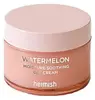
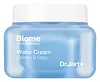
heimish Watermelon Moisture Soothing Gel Cream Versus Dr. Jart+ Vital Hydra Solution™ Biome Water Cream
This calming moisturizer is formulated around Citrullus Lanatus Fruit Extract and Ceramide NP to calm redness and hydrate skin.
This barrier-repair moisturizer is formulated around Niacinamide and Hyaluronic Acid to strengthen the skin barrier and hydrate skin.

What's inside
What's inside
 Key Ingredients
Benefits
Concerns
Ingredients Side-by-side
Water
Skin ConditioningCitrullus Lanatus Fruit Extract
Skin Conditioning
Glycerin
Humectant


Dimethicone
Emollient
Butylene Glycol
Humectant
Phenyl Trimethicone
Skin Conditioning
Sorbitol
Humectant
Moringa Oleifera Seed Oil
Emollient


Hamamelis Virginiana Leaf Extract
Skin Conditioning

Hydrangea Serrata Leaf Extract
Skin ConditioningAloe Barbadensis Flower Extract
EmollientCeramide NP
Skin Conditioning


Aloe Barbadensis Leaf Extract
Emollient
Sodium Hyaluronate
Humectant
Mel Extract
MoisturisingHedera Helix Leaf Extract
Skin ConditioningMorinda Citrifolia Leaf Extract
Skin ConditioningSolanum Melongena Fruit Extract
Skin ConditioningButyrospermum Parkii Butter
Skin Conditioning

Curcuma Longa Root Extract
Antioxidant

Coral Extract
Skin ConditioningOcimum Basilicum Leaf Extract
Skin ConditioningPhytosphingosine
Skin Conditioning
Glucose
Humectant
Tocopherol
Antioxidant


Hydrogenated Lecithin
Emulsifying
1,2-Hexanediol
Skin Conditioning
Trehalose
Humectant
Hydroxyacetophenone
Antioxidant
Acrylates/C10-30 Alkyl Acrylate Crosspolymer
Emulsion StabilisingTromethamine
BufferingAmmonium Acryloyldimethyltaurate/Vp Copolymer
Glyceryl Acrylate/Acrylic Acid Copolymer
HumectantCaprylyl Glycol
Emollient
Octyldecanol
Emollient
Water, Citrullus Lanatus Fruit Extract, Glycerin, Dimethicone, Butylene Glycol, Phenyl Trimethicone, Sorbitol, Moringa Oleifera Seed Oil, Hamamelis Virginiana Leaf Extract, Hydrangea Serrata Leaf Extract, Aloe Barbadensis Flower Extract, Ceramide NP, Aloe Barbadensis Leaf Extract, Sodium Hyaluronate, Mel Extract, Hedera Helix Leaf Extract, Morinda Citrifolia Leaf Extract, Solanum Melongena Fruit Extract, Butyrospermum Parkii Butter, Curcuma Longa Root Extract, Coral Extract, Ocimum Basilicum Leaf Extract, Phytosphingosine, Glucose, Tocopherol, Hydrogenated Lecithin, 1,2-Hexanediol, Trehalose, Hydroxyacetophenone, Acrylates/C10-30 Alkyl Acrylate Crosspolymer, Tromethamine, Ammonium Acryloyldimethyltaurate/Vp Copolymer, Glyceryl Acrylate/Acrylic Acid Copolymer, Caprylyl Glycol, Octyldecanol
Streptococcus Thermophilus Ferment
Humectant
Water
Skin ConditioningPropanediol
Solvent
Glycerin
Humectant
Phenyl Trimethicone
Skin Conditioning
1,2-Hexanediol
Skin Conditioning
Niacinamide
Smoothing




Butylene Glycol
Humectant
Hyaluronic Acid
Humectant
Hydrolyzed Hyaluronic Acid
Humectant
Sodium Hyaluronate
Humectant
Malachite Extract
Antioxidant
Tremella Fuciformis Extract
Humectant
Citrus Aurantium Dulcis Peel Oil
Masking
Eucalyptus Globulus Leaf Oil
Perfuming

Pinus Sylvestris Leaf Oil
Masking
Citrus Aurantium Bergamia Fruit Oil
Masking
Neopentyl Glycol Dicaprate
EmollientPentylene Glycol
Skin Conditioning
Raffinose
Skin ConditioningDNA
Skin ConditioningAmmonium Acryloyldimethyltaurate/Vp Copolymer
Hydroxyethyl Acrylate/Sodium Acryloyldimethyl Taurate Copolymer
Emulsion StabilisingPolymethylsilsesquioxane
Vinyldimethicone
Acrylates/C10-30 Alkyl Acrylate Crosspolymer
Emulsion StabilisingHydroxyacetophenone
Antioxidant
Tromethamine
BufferingDimethiconol
Emollient
Glyceryl Glucoside
Humectant
Ethylhexylglycerin
Skin ConditioningCellulose Gum
Emulsion StabilisingMicrocrystalline Cellulose
AbsorbentAdenosine
Skin Conditioning
Sorbitan Isostearate
Emulsifying
Glycine
Buffering
Proline
Skin Conditioning
Fructose
Humectant
Disodium EDTA
Streptococcus Thermophilus Ferment, Water, Propanediol, Glycerin, Phenyl Trimethicone, 1,2-Hexanediol, Niacinamide, Butylene Glycol, Hyaluronic Acid, Hydrolyzed Hyaluronic Acid, Sodium Hyaluronate, Malachite Extract, Tremella Fuciformis Extract, Citrus Aurantium Dulcis Peel Oil, Eucalyptus Globulus Leaf Oil, Pinus Sylvestris Leaf Oil, Citrus Aurantium Bergamia Fruit Oil, Neopentyl Glycol Dicaprate, Pentylene Glycol, Raffinose, DNA, Ammonium Acryloyldimethyltaurate/Vp Copolymer, Hydroxyethyl Acrylate/Sodium Acryloyldimethyl Taurate Copolymer, Polymethylsilsesquioxane, Vinyldimethicone, Acrylates/C10-30 Alkyl Acrylate Crosspolymer, Hydroxyacetophenone, Tromethamine, Dimethiconol, Glyceryl Glucoside, Ethylhexylglycerin, Cellulose Gum, Microcrystalline Cellulose, Adenosine, Sorbitan Isostearate, Glycine, Proline, Fructose, Disodium EDTA
Reviews
Ingredients Explained
These ingredients are found in both products.
Ingredients higher up in an ingredient list are typically present in a larger amount.
1,2-Hexanediol is a synthetic liquid and another multi-functional powerhouse.
It is a:
- Humectant, drawing moisture into the skin
- Emollient, helping to soften skin
- Solvent, dispersing and stabilizing formulas
- Preservative booster, enhancing the antimicrobial activity of other preservatives
Acrylates/C10-30 Alkyl Acrylate Crosspolymer is a synthetic polymer. It is used to thicken, emulsify, and improve the texture of products.
As an emulsifier, it helps stabilize oil-in-water emulsions to give products an elegant feel when applied.
It can also form a thin protective film on skin. One study found that a formula using this polymer helped slow down how quickly other ingredients (like DEET) were absorbed through skin.
A 2024 study of over 1,300 patients confirmed that sensitization to this ingredient is rare. It is also non-mutagenic and has a clean track record.
Learn more about Acrylates/C10-30 Alkyl Acrylate CrosspolymerAmmonium Acryloyldimethyltaurate/Vp Copolymer is a synthetically created polymer. It's used as a film-forming agent and used to thicken the consistency of products.
Think of it as a supportive ingredient that helps your gel-creams feel silky, "cloud cream-like", and spread evenly without being greasy.
The Cosmetic Ingredient Review (CIR) Expert Panel evaluated it (along with 22 other acryloyldimethyltaurate polymers) and concluded it's:
Due to its large molecular size, it sits on the surface of skin rather than penetrating it.
Learn more about Ammonium Acryloyldimethyltaurate/Vp CopolymerButylene Glycol (or BG) is used within cosmetic products for a few different reasons:
Overall, Butylene Glycol is a safe and well-rounded ingredient that works well with other ingredients.
Though this ingredient works well with most skin types, some people with sensitive skin may experience a reaction such as allergic rashes, closed comedones, or itchiness.
Learn more about Butylene GlycolGlycerin (or glycerol) is a compound naturally found in your skin. It's a powerhouse humectant that pulls water into the stratum corneum.
Topically, glycerin does several things at once:
Your skin makes glycerin on its own (mostly from sebaceous oil breakdown) and shuttles it to your outermost layer of skin, or your epidermis, via aquaporin-3.
Aquaporin-3 is a transporter that is essential for normal skin hydration, elasticity, and repair. Interestingly, mice lacking in AQP3 have dry and less elastic skin that can be fully corrected with glycerin.
This ingredient is non-irritating, plays well with almost every ingredient, and works across all skin types. Typical use is anywhere between 3-10% but can go up to 79% in some leave-on products.
Just know very high concentrations (>40%) can feel tacky in low humidity.
Glycerin is the name for this ingredient in American English. British English uses Glycerol/Glycerine.
Learn more about GlycerinHydroxyacetophenone is a small phenolic molecule that earns its place in a formulas as an antioxidant and preservative booster.
As a phenol, it is able to neutralize free radicals to protect both the product and the skin from oxidative stress.
Though it can't kill microbes on its own, it works as a good supporting agent when combined with other preservatives like Phenoxyethanol or 1,2-Hexanediol.
This ingredient naturally occurs as piceol in Norwegian spruce needles (~0.4-1.1% dry weight and in cloudberries). Though the cosmetic-grade material is synthesized for purity and consistency.
You'll usually see it used at low levels and suppliers recommend up to 1% added to a water phase.
Safety testing was done at concentrations like 0.05% in SPF products and 0.5% in a Human Repeated Insult Patch Test. The safety evidence is assuring; this ingredient is safe for cosmetics in current use and also holds safety status as a food flavoring as well.
An honest caveat: the "soothing" and "anti-inflammatory" claims come mostly from supplier marketing rather than published clinical trials. The Cosmetic Ingredient Review's own literature search found no useful efficacy studies on this ingredient.
So the antioxidant and preservative-boosting roles are the well supported ones while the calming benefit is plausible but thinly evidenced.
Overall, this is a well-tolerated, low-irritation multitasker that quietly helps a formula stay fresh and stable.
Learn more about HydroxyacetophenonePhenyl Trimethicone is a silicon-based polymer. It is derived from silica.
Phenyl Trimethicone is used as an emollient and prevents products from foaming.
As an emollient, it helps trap moisture in the skin. It is considered an occlusive.
Learn more about Phenyl TrimethiconeSodium Hyaluronate is the salt form of hyaluronic acid. It is a long sugar chain that is naturally found in your skin, joints, and connective tissue that maintains hydration and elasticity.
In skincare, it works as a humectant. It pulls water from the environment and deeper layers of skin and binds it to the surface.
Interestingly, the size of the molecule affects its behavior:
Some clinical evidence links low molecular weight versions to improved wrinkle depth, elasticity, anti-inflammatory effects, and barrier repair.
Many serums use a blend of both weights so you can get surface hydration plus longer-lasting and deeper effects.
You'll typically see concentrations between 0.1-2% for this ingredient.
Learn more about Sodium HyaluronateTromethamine (aka THAM) is a synthetic amino acid that shows up in skincare as a helper ingredient.
It functions as a pH adjuster to help neutralize acidic ingredients and set a formula's pH to the right spot.
This matters a lot because a lot of actives (like vitamin C) needs a specific pH to work well and feel comfortable on skin.
Concentration use ranges from 0.1-1.0% depending on the formula.
Learn more about TromethamineWater. It's the most common cosmetic ingredient of all. You'll usually see it at the top of ingredient lists, meaning that it makes up the largest part of the product.
So why is it so popular? Water most often acts as a solvent - this means that it helps dissolve other ingredients into the formulation.
You'll also recognize water as that liquid we all need to stay alive. If you see this, drink a glass of water. Remember to stay hydrated!
Learn more about Water

