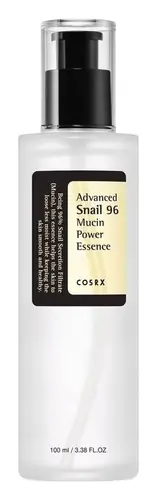
This hydrating essence is formulated around Oryza Sativa Extract and Sodium Hyaluronate to hydrate skin and calm redness.
This calming essence is formulated around Niacinamide and Ceramide NP to calm redness and hydrate skin.

What's inside
What's inside
 Key Ingredients
Benefits
Concerns
Ingredients Side-by-side
Water
Skin ConditioningGlycerin
Humectant


Betaine
Humectant
Oryza Sativa Extract
Absorbent

Propanediol
Solvent
Aloe Barbadensis Leaf Extract
Emollient
Pulsatilla Koreana Extract
Skin ConditioningUsnea Barbata Extract
Zanthoxylum Piperitum Fruit Extract
Skin ConditioningAspergillus Ferment
Skin Conditioning1,2-Hexanediol
Skin Conditioning
Carbomer
Emulsion StabilisingTrehalose
Humectant
Butylene Glycol
Humectant
Cyclodextrin
AbsorbentPanax Ginseng Root Extract
Emollient
Sodium Phytate
ChelatingPhyllostachys Pubescens Shoot Bark Extract
Skin ConditioningSodium Hyaluronate
Humectant
Polyglyceryl-10 Laurate
Skin Conditioning

Polyglyceryl-10 Myristate
Skin Conditioning
Xanthan Gum
EmulsifyingTromethamine
BufferingBeta-Glucan
Skin Conditioning
Lavandula Angustifolia Oil
Masking




Linalool
Perfuming
Alcohol
Antimicrobial

Water, Glycerin, Betaine, Oryza Sativa Extract, Propanediol, Aloe Barbadensis Leaf Extract, Pulsatilla Koreana Extract, Usnea Barbata Extract, Zanthoxylum Piperitum Fruit Extract, Aspergillus Ferment, 1,2-Hexanediol, Carbomer, Trehalose, Butylene Glycol, Cyclodextrin, Panax Ginseng Root Extract, Sodium Phytate, Phyllostachys Pubescens Shoot Bark Extract, Sodium Hyaluronate, Polyglyceryl-10 Laurate, Polyglyceryl-10 Myristate, Xanthan Gum, Tromethamine, Beta-Glucan, Lavandula Angustifolia Oil, Linalool, Alcohol
Water
Skin ConditioningButylene Glycol
Humectant
Niacinamide
Smoothing





Pentylene Glycol
Skin Conditioning
1,2-Hexanediol
Skin Conditioning
Hydrogenated Lecithin
Emulsifying
Glycerin
Humectant
Soluble Collagen
Humectant
Hydroxydecyl Ubiquinone
Antioxidant
Propanediol
Solvent
Cyclodextrin
AbsorbentBroussonetia Kazinoki Root Extract
Skin ConditioningCeramide NP
Skin Conditioning
Brassica Oleracea Acephala Leaf Extract
HumectantPersea Gratissima Fruit Extract
EmollientApium Graveolens Extract
Skin ConditioningBrassica Oleracea Italica Extract
AstringentLeontopodium Alpinum Extract
Skin ConditioningPrunus Amygdalus Dulcis Seed Extract
Skin ConditioningSodium Hyaluronate
Humectant
Madecassoside
Antioxidant
Allium Sativum Bulb Extract
Skin ConditioningVaccinium Angustifolium Fruit Extract
Skin Protecting
Cistus Incanus Flower/Leaf/Stem Extract
Skin ConditioningGynostemma Pentaphyllum Leaf/Stem Extract
Antioxidant
Avena Sativa Seed Extract
Skin ConditioningEcklonia Cava Extract
Skin Conditioning
Schisandra Chinensis Fruit Extract
Skin Conditioning
Caprylyl Glycol
Emollient
Cucurbita Pepo Fruit Extract
Skin Conditioning
Spinacia Oleracea Leaf Extract
Skin ConditioningBeta-Glucan
Skin Conditioning
Undaria Pinnatifida Extract
Skin ConditioningEruca Sativa Leaf Extract
Skin ConditioningEthylhexylglycerin
Skin ConditioningHyaluronic Acid
Humectant
Hydrolyzed Hyaluronic Acid
Humectant
Hydroxypropyltrimonium Hyaluronate
Potassium Hyaluronate
Skin ConditioningAcetyl Hexapeptide-8
Humectant
Sodium Hyaluronate Crosspolymer
Humectant
Sodium Acetylated Hyaluronate
Humectant
Hexapeptide-9
Skin Conditioning
Hexapeptide-11
Skin Conditioning
Palmitoyl Pentapeptide-4
Skin Conditioning
Palmitoyl Tripeptide-1
Skin Conditioning
Tripeptide-1
Skin Conditioning
Copper Tripeptide-1
Skin Conditioning
Adenosine
Skin Conditioning
Carbomer
Emulsion StabilisingTromethamine
BufferingPulsatilla Koreana Extract
Skin ConditioningZanthoxylum Piperitum Fruit Extract
Skin ConditioningUsnea Barbata Extract
Polyglyceryl-10 Laurate
Skin Conditioning
Water, Butylene Glycol, Niacinamide, Pentylene Glycol, 1,2-Hexanediol, Hydrogenated Lecithin, Glycerin, Soluble Collagen, Hydroxydecyl Ubiquinone, Propanediol, Cyclodextrin, Broussonetia Kazinoki Root Extract, Ceramide NP, Brassica Oleracea Acephala Leaf Extract, Persea Gratissima Fruit Extract, Apium Graveolens Extract, Brassica Oleracea Italica Extract, Leontopodium Alpinum Extract, Prunus Amygdalus Dulcis Seed Extract, Sodium Hyaluronate, Madecassoside, Allium Sativum Bulb Extract, Vaccinium Angustifolium Fruit Extract, Cistus Incanus Flower/Leaf/Stem Extract, Gynostemma Pentaphyllum Leaf/Stem Extract, Avena Sativa Seed Extract, Ecklonia Cava Extract, Schisandra Chinensis Fruit Extract, Caprylyl Glycol, Cucurbita Pepo Fruit Extract, Spinacia Oleracea Leaf Extract, Beta-Glucan, Undaria Pinnatifida Extract, Eruca Sativa Leaf Extract, Ethylhexylglycerin, Hyaluronic Acid, Hydrolyzed Hyaluronic Acid, Hydroxypropyltrimonium Hyaluronate, Potassium Hyaluronate, Acetyl Hexapeptide-8, Sodium Hyaluronate Crosspolymer, Sodium Acetylated Hyaluronate, Hexapeptide-9, Hexapeptide-11, Palmitoyl Pentapeptide-4, Palmitoyl Tripeptide-1, Tripeptide-1, Copper Tripeptide-1, Adenosine, Carbomer, Tromethamine, Pulsatilla Koreana Extract, Zanthoxylum Piperitum Fruit Extract, Usnea Barbata Extract, Polyglyceryl-10 Laurate
Reviews
Ingredients Explained
These ingredients are found in both products.
Ingredients higher up in an ingredient list are typically present in a larger amount.
1,2-Hexanediol is a synthetic liquid and another multi-functional powerhouse.
It is a:
- Humectant, drawing moisture into the skin
- Emollient, helping to soften skin
- Solvent, dispersing and stabilizing formulas
- Preservative booster, enhancing the antimicrobial activity of other preservatives
Beta-Glucan is a soluble polysaccharide (a chain of glucose sugars) sourced from the cells walls of oats, baker's yeast, mushrooms, and seaweed.
It's a rare ingredient that pulls double-duty as a heavy-duty hydrator and skin-soothing repair agent.
On the surface, it acts as a humectant that holds water in place and reduces moisture loss for a plumper, smoother feel, while its anti-inflammatory and antioxidant properties make it a great pick for calming redness or sensitive skin
The more interesting story is underneath:
Despite its large molecular size, oat beta-glucan has been shown to penetrate the epidermis and reach the dermis by slipping between skin cells. Here, it interacts with fibroblasts and macrophages to nudge collagen synthesis and support wound repair.
A small 2005 split-face clinical study of 27 subjects found topical beta-glucan produced measurable reductions in wrinkle depth, height, and roughness after 8 weeks of use.
It is worth noting the trial was small and the penetration testing used frozen, irradiated skin so the anti-aging data is encouraging rather than definitive.
This ingredient gets along with pretty much everything and is typically used around 0.1-1%.
Fungal acne: This ingredient is not a food source for the Malassezia yeast because it is a glucose polysaccharide with no fatty acid or ester component.
Learn more about Beta-GlucanButylene Glycol (or BG) is used within cosmetic products for a few different reasons:
Overall, Butylene Glycol is a safe and well-rounded ingredient that works well with other ingredients.
Though this ingredient works well with most skin types, some people with sensitive skin may experience a reaction such as allergic rashes, closed comedones, or itchiness.
Learn more about Butylene GlycolCarbomer is a synthetic thickening and gelling agent. It's basically the ingredient that gives a lot of serums, gels, creams, and sunscreens their smooth, non-sticky texture.
Although legally permitted at very high levels, carbomers are normally used at concentrations below 1%.
It also needs to be neutralized to actually thicken, and because it is a large molecule, it doesn't really penetrate the skin barrier.
Allergy-wise, the risk is very low. Clinical studies show carbomers have low potential for skin irritation/sensitization even at concentrations up to 100%.
A 2024 UK study patch-tested 1,302 patients and found true allergy to the parent group of carbomer to be rare with no confirmed relevant reactions.
Learn more about CarbomerCyclodextrins are ring-shaped sugar molecules made from starch. It is used to stabilize, protect, and slowly release active ingredients.
This ingredient can help prevent oxidation, reduce irritation from strong actives, and make certain ingredients absorb better once applied.
Once applied to your skin, enzymes gradually break down the cyclodextrin "ring"; this releases the active ingredient in a controlled way.
Learn more about CyclodextrinGlycerin (or glycerol) is a compound naturally found in your skin. It's a powerhouse humectant that pulls water into the stratum corneum.
Topically, glycerin does several things at once:
Your skin makes glycerin on its own (mostly from sebaceous oil breakdown) and shuttles it to your outermost layer of skin, or your epidermis, via aquaporin-3.
Aquaporin-3 is a transporter that is essential for normal skin hydration, elasticity, and repair. Interestingly, mice lacking in AQP3 have dry and less elastic skin that can be fully corrected with glycerin.
This ingredient is non-irritating, plays well with almost every ingredient, and works across all skin types. Typical use is anywhere between 3-10% but can go up to 79% in some leave-on products.
Just know very high concentrations (>40%) can feel tacky in low humidity.
Glycerin is the name for this ingredient in American English. British English uses Glycerol/Glycerine.
Learn more about GlycerinPolyglyceryl-10 Laurate is a cleansing agent and emulsifier.
It rounds up dirt, oil, and grime, so they can be rinsed off easily as a cleanser.
On the emulsifier side, it keeps your formula smooth and well-mixed by playing peacekeeper for ingredients that don't naturally get along (like oil and water).
Because it has a C12 (lauric acid) fatty acid chain, this ingredient can potentially feed the Malassezia yeast that causes fungal acne. The Malassezia yeast prefers esters with C11-C24 fatty acids.
This ingredient is an ester of lauric acid and Polyglycerin-10.
Learn more about Polyglyceryl-10 LauratePropanediol is an all-star ingredient. It softens, hydrates, and smooths the skin.
It’s often used to:
Propanediol is not likely to cause sensitivity and considered safe to use. It is derived from corn or petroleum with a clear color and no scent.
Learn more about PropanediolPulsatilla Koreana Extract comes from the Korean pasque flower. This flower is used in traditional Korean medicine.
Sodium Hyaluronate is the salt form of hyaluronic acid. It is a long sugar chain that is naturally found in your skin, joints, and connective tissue that maintains hydration and elasticity.
In skincare, it works as a humectant. It pulls water from the environment and deeper layers of skin and binds it to the surface.
Interestingly, the size of the molecule affects its behavior:
Some clinical evidence links low molecular weight versions to improved wrinkle depth, elasticity, anti-inflammatory effects, and barrier repair.
Many serums use a blend of both weights so you can get surface hydration plus longer-lasting and deeper effects.
You'll typically see concentrations between 0.1-2% for this ingredient.
Learn more about Sodium HyaluronateTromethamine (aka THAM) is a synthetic amino acid that shows up in skincare as a helper ingredient.
It functions as a pH adjuster to help neutralize acidic ingredients and set a formula's pH to the right spot.
This matters a lot because a lot of actives (like vitamin C) needs a specific pH to work well and feel comfortable on skin.
Concentration use ranges from 0.1-1.0% depending on the formula.
Learn more about TromethamineWe don't have a description for Usnea Barbata Extract yet.
Water. It's the most common cosmetic ingredient of all. You'll usually see it at the top of ingredient lists, meaning that it makes up the largest part of the product.
So why is it so popular? Water most often acts as a solvent - this means that it helps dissolve other ingredients into the formulation.
You'll also recognize water as that liquid we all need to stay alive. If you see this, drink a glass of water. Remember to stay hydrated!
Learn more about WaterZanthoxylum Piperitum Fruit Extract comes from the Japanese Pepper, also known as the Prickly Ash. This plant is native to the Korean peninsula and Japan.
The pepper has antioxidant properties. It may help reduce the signs of aging.
For those with fragrance sensitivities, Zanthoxylum Piperitum Fruit Extract contains limonene.
If you have concerns, we recommend speaking with a professional about using this ingredient.
The Japanese Pepper is related to the Sichuan Pepper.
Learn more about Zanthoxylum Piperitum Fruit Extract