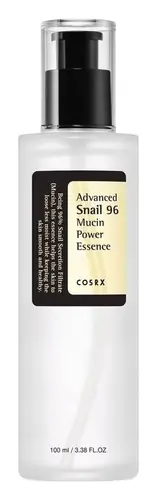
This brightening moisturizer is formulated around Tranexamic Acid and Magnesium Ascorbyl Phosphate to fade the look of dark spots and brighten dull-looking skin.
This brightening toner is formulated around Niacinamide to brighten dull-looking skin and fade the look of dark spots.


What's inside
What's inside
 Key Ingredients
Benefits
Concerns
Ingredients Side-by-side
Tranexamic Acid
Astringent




Hydrolyzed Hyaluronic Acid
Humectant



Sodium Acetylated Hyaluronate
Humectant
Magnesium Ascorbyl Phosphate
Antioxidant



Tocopherol
Antioxidant

Coix Lacryma-Jobi Ma-Yuen Seed Extract
Skin ConditioningButylene Glycol
Humectant
Dipropylene Glycol
HumectantHydrogenated Polydecene
EmollientPentylene Glycol
Skin Conditioning
Glycerin
Humectant
Diglycerin
Humectant
Limnanthes Alba Seed Oil
Skin Conditioning


Sorbitan Stearate
Emulsifying
Polysorbate 80
Emulsifying
Carbomer
Emulsion StabilisingDisodium EDTA
ChelatingHydroxyethylcellulose
Emulsion StabilisingGlyceryl Caprylate/Caprate
EmollientXanthan Gum
EmulsifyingBehenyl Alcohol
Emollient
Phenoxyethanol
Preservative
Tranexamic Acid, Hydrolyzed Hyaluronic Acid, Sodium Acetylated Hyaluronate, Magnesium Ascorbyl Phosphate, Tocopherol, Coix Lacryma-Jobi Ma-Yuen Seed Extract, Butylene Glycol, Dipropylene Glycol, Hydrogenated Polydecene, Pentylene Glycol, Glycerin, Diglycerin, Limnanthes Alba Seed Oil, Sorbitan Stearate, Polysorbate 80, Carbomer, Disodium EDTA, Hydroxyethylcellulose, Glyceryl Caprylate/Caprate, Xanthan Gum, Behenyl Alcohol, Phenoxyethanol
Citrus Junos Fruit Extract 90%
Skin ConditioningNiacinamide 5%
Smoothing


1,2-Hexanediol
Skin Conditioning
Glycerin
Humectant
Polyglyceryl-10 Laurate
Skin Conditioning
C12-14 Pareth-7
EmulsifyingWater
Skin ConditioningAcrylates/C10-30 Alkyl Acrylate Crosspolymer
Emulsion StabilisingEthylhexylglycerin
Skin ConditioningCitrus Junos Peel Oil
Astringent
Butylene Glycol
Humectant
Adenosine
Skin Conditioning
Tromethamine
BufferingDisodium EDTA
ChelatingCoptis Chinensis Root Extract
Antioxidant
Hydrogenated Lecithin
Emulsifying
Polyglyceryl-10 Stearate
Skin Conditioning
Panthenol
Skin Conditioning
Sodium Ascorbyl Phosphate
Antioxidant
Saussurea Involucrata Extract
HumectantBisabolol
Antioxidant
Maltodextrin
Absorbent
Hydrolyzed Vegetable Protein
Skin ConditioningSambucus Nigra Flower Extract
RefreshingCitrus Aurantium Dulcis Flower Extract
Skin ConditioningMagnolia Liliflora Flower Extract
Skin ConditioningPlumeria Rubra Flower Extract
Skin ConditioningLilium Tigrinum Extract
Skin ConditioningFolic Acid
Skin ConditioningBiotin
AntiseborrhoeicPyridoxine
Skin ConditioningPancratium Maritimum Extract
BleachingTocopherol
Antioxidant
Cyanocobalamin
Skin ConditioningLinoleic Acid
Cleansing
Thiamine Hcl
MaskingBeta-Carotene
Skin ConditioningRiboflavin
Cosmetic ColorantInositol
Humectant
Limonene
Perfuming



Citrus Junos Fruit Extract 90%, Niacinamide 5%, 1,2-Hexanediol, Glycerin, Polyglyceryl-10 Laurate, C12-14 Pareth-7, Water, Acrylates/C10-30 Alkyl Acrylate Crosspolymer, Ethylhexylglycerin, Citrus Junos Peel Oil, Butylene Glycol, Adenosine, Tromethamine, Disodium EDTA, Coptis Chinensis Root Extract, Hydrogenated Lecithin, Polyglyceryl-10 Stearate, Panthenol, Sodium Ascorbyl Phosphate, Saussurea Involucrata Extract, Bisabolol, Maltodextrin, Hydrolyzed Vegetable Protein, Sambucus Nigra Flower Extract, Citrus Aurantium Dulcis Flower Extract, Magnolia Liliflora Flower Extract, Plumeria Rubra Flower Extract, Lilium Tigrinum Extract, Folic Acid, Biotin, Pyridoxine, Pancratium Maritimum Extract, Tocopherol, Cyanocobalamin, Linoleic Acid, Thiamine Hcl, Beta-Carotene, Riboflavin, Inositol, Limonene
Reviews
Ingredients Explained
These ingredients are found in both products.
Ingredients higher up in an ingredient list are typically present in a larger amount.
Butylene Glycol (or BG) is used within cosmetic products for a few different reasons:
Overall, Butylene Glycol is a safe and well-rounded ingredient that works well with other ingredients.
Though this ingredient works well with most skin types, some people with sensitive skin may experience a reaction such as allergic rashes, closed comedones, or itchiness.
Learn more about Butylene GlycolDisodium EDTA is a chelating agent. It grabs onto and deactivates metal ions that sneak into your products from water, packaging, or air.
This ingredient mainly works behind the scenes and helps with:
On top of that, this ingredient can counteract the effects of hard water by binding to the minerals in it.
One thing worth knowing is that Disodium EDTA has been shown to be a mild penetration enhancer. It can help other ingredients absorb into skin more effectively which can be a double-edged sword (great for actives, but can also make the active too strong if you have sensitive skin).
Clinical patch testing showed no significant skin irritation at typical use concentrations and minimal dermal absorption.
You'll most likely see this ingredient near the end of an ingredient list. It's typically found in concentrations less than 1%.
Learn more about Disodium EDTAGlycerin (or glycerol) is a compound naturally found in your skin. It's a powerhouse humectant that pulls water into the stratum corneum.
Topically, glycerin does several things at once:
Your skin makes glycerin on its own (mostly from sebaceous oil breakdown) and shuttles it to your outermost layer of skin, or your epidermis, via aquaporin-3.
Aquaporin-3 is a transporter that is essential for normal skin hydration, elasticity, and repair. Interestingly, mice lacking in AQP3 have dry and less elastic skin that can be fully corrected with glycerin.
This ingredient is non-irritating, plays well with almost every ingredient, and works across all skin types. Typical use is anywhere between 3-10% but can go up to 79% in some leave-on products.
Just know very high concentrations (>40%) can feel tacky in low humidity.
Glycerin is the name for this ingredient in American English. British English uses Glycerol/Glycerine.
Learn more about GlycerinTocopherol is a fat-soluble antioxidant known as Vitamin E.
You'll find this ingredient in the vast majority of skincare (for good reason). It works to neutralize free radicals, or unstable molecules generated by UV exposure, pollution, and other environmental stressors, before they can cause oxidative damage to your skin cells.
Topically applied tocopherol has been shown to protect against UV damage by ramping up the skin's own natural defense enzymes.
It also acts as a skin conditioning agent; some studies show that regular topical use can improve the skin's water-binding capacity over 2-4 weeks.
This ingredient is especially loved for being a team player. When combined with Vitamin C, the photoprotective effect of both ingredients roughly doubles and the combo also helps reduce UV-induced DNA damage.
This ingredient has some brightening potential but it's more of a prevention ingredient than spot-fader. Cell studies show it can slow down melanin production but it's worth noting that it's not the most powerful brightener out there.
In formulations, it also serves as a stabilizer that helps protect other oxidation-prone ingredients from degrading.
Concentrations usually range from 0.1-1% in most leave-on products.
Learn more about Tocopherol