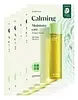
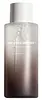
Goodal Heartleaf Calming Moisture Care Sheet Mask Versus Haruharu Wonder Black Rice Hyaluronic Toner
This calming sheet mask is formulated around Houttuynia Cordata Extract and Panthenol to calm redness and hydrate skin.
This hydrating toner is formulated around Oryza Sativa Extract and Panax Ginseng Root Extract to hydrate skin and strengthen the skin barrier.

What's inside
What's inside
 Key Ingredients
Benefits
Concerns
Ingredients Side-by-side
Houttuynia Cordata Extract 72%
Skin Conditioning

Water
Skin ConditioningButylene Glycol
Humectant

Glycerin
Humectant
Panthenol
Skin Conditioning
1,2-Hexanediol
Skin Conditioning
Xanthan Gum
EmulsifyingHydroxyethyl Ethylcellulose
EmulsifyingCamellia Sinensis Leaf Extract
Antimicrobial




Zingiber Officinale Root Extract
Masking
Glycyrrhiza Glabra Root Extract
Bleaching
Schisandra Chinensis Fruit Extract
Skin Conditioning
Coptis Japonica Root Extract
Skin ConditioningDipropylene Glycol
HumectantDipotassium Glycyrrhizate
Humectant
Allantoin
Skin Conditioning
Ethylhexylglycerin
Skin ConditioningAmmonium Acryloyldimethyltaurate/Vp Copolymer
Disodium EDTA
ChelatingSodium Hyaluronate
Humectant
Polyglyceryl-10 Laurate
Skin Conditioning

Polyglyceryl-10 Myristate
Skin Conditioning
Citric Acid
Buffering
Citrus Aurantium Dulcis Peel Oil
Masking

Caprylyl Glycol
Emollient
T-Butyl Alcohol
Perfuming




Theobroma Cacao Extract
Skin ConditioningLavandula Angustifolia Oil
Masking

Ocimum Basilicum Oil
Masking
Dextrin
AbsorbentHouttuynia Cordata Extract 72%, Water, Butylene Glycol, Glycerin, Panthenol, 1,2-Hexanediol, Xanthan Gum, Hydroxyethyl Ethylcellulose, Camellia Sinensis Leaf Extract, Zingiber Officinale Root Extract, Glycyrrhiza Glabra Root Extract, Schisandra Chinensis Fruit Extract, Coptis Japonica Root Extract, Dipropylene Glycol, Dipotassium Glycyrrhizate, Allantoin, Ethylhexylglycerin, Ammonium Acryloyldimethyltaurate/Vp Copolymer, Disodium EDTA, Sodium Hyaluronate, Polyglyceryl-10 Laurate, Polyglyceryl-10 Myristate, Citric Acid, Citrus Aurantium Dulcis Peel Oil, Caprylyl Glycol, T-Butyl Alcohol, Theobroma Cacao Extract, Lavandula Angustifolia Oil, Ocimum Basilicum Oil, Dextrin
Water
Skin ConditioningBetaine
Humectant
Glycerin
Humectant
Sodium Phytate
ChelatingPropanediol
Solvent
Oryza Sativa Extract
Absorbent
Phyllostachys Pubescens Shoot Bark Extract
Skin ConditioningAspergillus Ferment
Skin ConditioningPanax Ginseng Root Extract
Emollient
Cyclodextrin
AbsorbentScutellaria Baicalensis Root Extract
Astringent
Hyaluronic Acid
Humectant
Beta-Glucan
Skin Conditioning
Cellulose Gum
Emulsion StabilisingXanthan Gum
EmulsifyingButylene Glycol
Humectant
Usnea Barbata Extract
Zanthoxylum Piperitum Fruit Extract
Skin ConditioningPulsatilla Koreana Extract
Skin ConditioningTamarindus Indica Seed Gum
Emulsion Stabilising
Polyglyceryl-10 Laurate
Skin Conditioning
Polyglyceryl-10 Myristate
Skin Conditioning
Glucose
Humectant
1,2-Hexanediol
Skin Conditioning
Alcohol
Antimicrobial
Lavandula Angustifolia Oil
Masking
Linalool
Perfuming
Water, Betaine, Glycerin, Sodium Phytate, Propanediol, Oryza Sativa Extract, Phyllostachys Pubescens Shoot Bark Extract, Aspergillus Ferment, Panax Ginseng Root Extract, Cyclodextrin, Scutellaria Baicalensis Root Extract, Hyaluronic Acid, Beta-Glucan, Cellulose Gum, Xanthan Gum, Butylene Glycol, Usnea Barbata Extract, Zanthoxylum Piperitum Fruit Extract, Pulsatilla Koreana Extract, Tamarindus Indica Seed Gum, Polyglyceryl-10 Laurate, Polyglyceryl-10 Myristate, Glucose, 1,2-Hexanediol, Alcohol, Lavandula Angustifolia Oil, Linalool
Reviews
Ingredients Explained
These ingredients are found in both products.
Ingredients higher up in an ingredient list are typically present in a larger amount.
1,2-Hexanediol is a synthetic liquid and another multi-functional powerhouse.
It is a:
- Humectant, drawing moisture into the skin
- Emollient, helping to soften skin
- Solvent, dispersing and stabilizing formulas
- Preservative booster, enhancing the antimicrobial activity of other preservatives
Butylene Glycol (or BG) is used within cosmetic products for a few different reasons:
Overall, Butylene Glycol is a safe and well-rounded ingredient that works well with other ingredients.
Though this ingredient works well with most skin types, some people with sensitive skin may experience a reaction such as allergic rashes, closed comedones, or itchiness.
Learn more about Butylene GlycolGlycerin (or glycerol) is a compound naturally found in your skin. It's a powerhouse humectant that pulls water into the stratum corneum.
Topically, glycerin does several things at once:
Your skin makes glycerin on its own (mostly from sebaceous oil breakdown) and shuttles it to your outermost layer of skin, or your epidermis, via aquaporin-3.
Aquaporin-3 is a transporter that is essential for normal skin hydration, elasticity, and repair. Interestingly, mice lacking in AQP3 have dry and less elastic skin that can be fully corrected with glycerin.
This ingredient is non-irritating, plays well with almost every ingredient, and works across all skin types. Typical use is anywhere between 3-10% but can go up to 79% in some leave-on products.
Just know very high concentrations (>40%) can feel tacky in low humidity.
Glycerin is the name for this ingredient in American English. British English uses Glycerol/Glycerine.
Learn more about GlycerinLavandula Angustifolia Oil is more commonly known as lavender essential oil. It is considered a fragrancing ingredient.
Lavender imparts a famous scent. While the smell is lovely, this ingredient and may sensitize skin in topical products. This is because about 85% of the oil is made up of linalool and linalyl acetate.
When exposed to air, these two compounds become strong allergens. This ingredient exhibits cytotoxicity at low concentrations; amounts of 0.25% have been shown to damage skin cells.
A study from Japan found this ingredient caused lavender sensitivity after widespread exposure.
Lavender essential oil has some antimicrobial, antibacterial, and anti-inflammatory properties. However, the cons of this ingredient may outweight the pros.
More research is needed to confirm lavender essential oil's effects when used in aromatherapy.
Lavandula Angustifolia is known as the English Lavender and famous for creating purple fields in Provence, France.
Learn more about Lavandula Angustifolia OilPolyglyceryl-10 Laurate is a cleansing agent and emulsifier.
It rounds up dirt, oil, and grime, so they can be rinsed off easily as a cleanser.
On the emulsifier side, it keeps your formula smooth and well-mixed by playing peacekeeper for ingredients that don't naturally get along (like oil and water).
Because it has a C12 (lauric acid) fatty acid chain, this ingredient can potentially feed the Malassezia yeast that causes fungal acne. The Malassezia yeast prefers esters with C11-C24 fatty acids.
This ingredient is an ester of lauric acid and Polyglycerin-10.
Learn more about Polyglyceryl-10 LauratePolyglyceryl-10 Myristate is a nonionic emulsifier and skin conditioner made from Polyglycerin-10 and Myristic Acid.
As a skin conditioning agent, this ingredient leaves skin feeling soft without a greasy finish. As an emulsifier, it helps stabilize oil-in-water emulsions.
You'll likely see this ingredient in "clean" formulations because it's considered a natural alternative to PEGs.
Patch testing at concentration 0.1-1% showed no reactions and this ingredient is considered to be well-tolerated across skin types.
Due to its myristic acid base, this ingredient may not be fungal acne safe.
Learn more about Polyglyceryl-10 MyristateWater. It's the most common cosmetic ingredient of all. You'll usually see it at the top of ingredient lists, meaning that it makes up the largest part of the product.
So why is it so popular? Water most often acts as a solvent - this means that it helps dissolve other ingredients into the formulation.
You'll also recognize water as that liquid we all need to stay alive. If you see this, drink a glass of water. Remember to stay hydrated!
Learn more about WaterXanthan gum is used as a stabilizer and thickener within cosmetic products. It helps give products a sticky, thick feeling - preventing them from being too runny.
On the technical side of things, xanthan gum is a polysaccharide - a combination consisting of multiple sugar molecules bonded together.
Xanthan gum is a pretty common and great ingredient. It is a natural, non-toxic, non-irritating ingredient that is also commonly used in food products.
Learn more about Xanthan Gum

