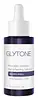
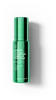
Glytone Mandelic Gentle Resurfacing Serum Versus Allies of Skin Mandelic Pigmentation Corrector Night Serum
This smoothing serum is formulated around Mandelic Acid and Lactobacillus/Punica Granatum Fruit Ferment Extract to refine skin texture and brighten dull-looking skin.
This brightening serum is formulated around Mandelic Acid and Niacinamide to fade the look of dark spots and refine skin texture.

What's inside
What's inside
 Key Ingredients
Benefits
Concerns
Ingredients Side-by-side
Water
Skin ConditioningGlycerin
Humectant


Mandelic Acid
Antimicrobial









Lactobacillus/Punica Granatum Fruit Ferment Extract
Antioxidant
Propanediol
Solvent
Potassium Hydroxide
BufferingPentylene Glycol
Skin Conditioning
Panthenol
Skin Conditioning

Sodium Phytate
Hydroxyacetophenone
Antioxidant
Sclerotium Gum
Emulsion StabilisingPhytic Acid
Leuconostoc/Radish Root Ferment Filtrate
Antimicrobial
Ethylhexylglycerin
Skin ConditioningXanthan Gum
EmulsifyingLecithin
Emollient
Pullulan
Agastache Mexicana Flower/Leaf/Stem Extract
Skin ConditioningSilica
Abrasive
Tocopherol
Antioxidant
Water, Glycerin, Mandelic Acid, Lactobacillus/Punica Granatum Fruit Ferment Extract, Propanediol, Potassium Hydroxide, Pentylene Glycol, Panthenol, Sodium Phytate, Hydroxyacetophenone, Sclerotium Gum, Phytic Acid, Leuconostoc/Radish Root Ferment Filtrate, Ethylhexylglycerin, Xanthan Gum, Lecithin, Pullulan, Agastache Mexicana Flower/Leaf/Stem Extract, Silica, Tocopherol
Water
Skin ConditioningMandelic Acid
Antimicrobial
Glycerin
Humectant
Butylene Glycol
Humectant
Niacinamide
Smoothing
Polysorbate 20
Emulsifying
Lactic Acid
Buffering
Rosa Canina Fruit Oil
Emollient
Calophyllum Inophyllum Seed Oil
Antimicrobial
Salicylic Acid
Masking


Superoxide Dismutase
Antioxidant
Bakuchiol
Antimicrobial
Sodium Hyaluronate
Humectant
Rumex Occidentalis Extract
Skin ConditioningAscophyllum Nodosum Extract
Skin Conditioning
Nonapeptide-1
Skin Conditioning
Palmitoyl Tripeptide-5
Skin Conditioning
Acetyl Tetrapeptide-40
Skin Conditioning
Pterocarpus Marsupium Bark Extract
Glutamic Acid
Humectant
Phenyl T-Butylnitrone
Antioxidant
Resveratrol Dimethyl Ether
Antioxidant
Camellia Sinensis Leaf Extract
Antimicrobial
Panthenol
Skin Conditioning
Tocopheryl Acetate
Antioxidant
Ascorbic Acid
Antioxidant
Tocopherol
Antioxidant
Caprylic/Capric Triglyceride
Masking
Xanthan Gum
EmulsifyingSclerotium Gum
Emulsion StabilisingEthylhexylglycerin
Skin ConditioningCaprylyl Glycol
Emollient
Sorbitol
Humectant
Dextran
Sodium Gluconate
Skin ConditioningDisodium Succinate
MaskingAcetyl Tributyl Citrate
Masking

O-Cymen-5-Ol
Antimicrobial
Sodium Hydroxide
BufferingPhenoxyethanol
Preservative
Water, Mandelic Acid, Glycerin, Butylene Glycol, Niacinamide, Polysorbate 20, Lactic Acid, Rosa Canina Fruit Oil, Calophyllum Inophyllum Seed Oil, Salicylic Acid, Superoxide Dismutase, Bakuchiol, Sodium Hyaluronate, Rumex Occidentalis Extract, Ascophyllum Nodosum Extract, Nonapeptide-1, Palmitoyl Tripeptide-5, Acetyl Tetrapeptide-40, Pterocarpus Marsupium Bark Extract, Glutamic Acid, Phenyl T-Butylnitrone, Resveratrol Dimethyl Ether, Camellia Sinensis Leaf Extract, Panthenol, Tocopheryl Acetate, Ascorbic Acid, Tocopherol, Caprylic/Capric Triglyceride, Xanthan Gum, Sclerotium Gum, Ethylhexylglycerin, Caprylyl Glycol, Sorbitol, Dextran, Sodium Gluconate, Disodium Succinate, Acetyl Tributyl Citrate, O-Cymen-5-Ol, Sodium Hydroxide, Phenoxyethanol
Reviews
Ingredients Explained
These ingredients are found in both products.
Ingredients higher up in an ingredient list are typically present in a larger amount.
Ethylhexylglycerin is created from glycerin. It is a multitasker ingredient that:
The CIR Expert Panel found minimal skin absorption or sensitization of any kind in a safety assessment. Though this ingredient is considered well-tolerated, a small number of cases of allergic dermatitis have been published since 2002. Just be sure to patch test if you are unsure.
Industry-reported use ranges from 8% in rinse-off products and 2% in leave-on formulations.
Learn more about EthylhexylglycerinGlycerin (or glycerol) is a compound naturally found in your skin. It's a powerhouse humectant that pulls water into the stratum corneum.
Topically, glycerin does several things at once:
Your skin makes glycerin on its own (mostly from sebaceous oil breakdown) and shuttles it to your outermost layer of skin, or your epidermis, via aquaporin-3.
Aquaporin-3 is a transporter that is essential for normal skin hydration, elasticity, and repair. Interestingly, mice lacking in AQP3 have dry and less elastic skin that can be fully corrected with glycerin.
This ingredient is non-irritating, plays well with almost every ingredient, and works across all skin types. Typical use is anywhere between 3-10% but can go up to 79% in some leave-on products.
Just know very high concentrations (>40%) can feel tacky in low humidity.
Glycerin is the name for this ingredient in American English. British English uses Glycerol/Glycerine.
Learn more about GlycerinMandelic Acid is an alpha hydroxy acid (AHA).
Like other AHAs, it helps exfoliate the surface of the skin by breaking down the bonds that hold dead skin cells together. This helps reveal smoother and brighter skin underneath.
Mandelic acid helps with:
Due to it having a larger molecular size than glycolic acid, mandelic acid is able to penetrate the skin more slowly and evenly. This makes it gentler and less irritating, making it a great option for sensitive or beginner skin.
Despite being milder, mandelic acid is still an effective exfoliant that improves skin texture and tone over time.
What makes mandelic acid stand out from other AHAs? It has antibacterial and antioxidant properties.
These traits make it a great option for acne-prone or problem skin by reducing active breakouts and fading post-acne marks. Studies show that mandelic acid (especially when combined with salicylic acid) can significantly reduce pimples and hyperpigmentation while causing fewer side effects than stronger acids.
Mandelic acid is effective in concentrations of 5% and up with an ideal pH range of 3-4 for at-home use.
Like other AHAs, it’s important to wear sunscreen daily to protect your newly exfoliated skin.
However, unlike glycolic acid, mandelic acid is light-sensitive. Be sure your mandelic acid is packaged in opaque containers to ensure it stays stable and effective.
In short, mandelic acid is a gentle yet powerful AHA that exfoliates, brightens, and helps clarify skin while keeping irritation low. Its antibacterial action makes it especially beneficial for those with acne-prone, sensitive, or uneven skin, offering smoother, clearer, and more even-toned results over time.
Read more about some other popular AHA's here:
Learn more about Mandelic AcidPanthenol is a common ingredient that helps hydrate and soothe the skin. It is found naturally in our skin and hair.
There are two forms of panthenol: D and L.
D-panthenol is also known as dexpanthenol. Most cosmetics use dexpanthenol or a mixture of D and L-panthenol.
Panthenol is famous due to its ability to go deeper into the skin's layers. Using this ingredient has numerous pros (and no cons):
Like hyaluronic acid, panthenol is a humectant. Humectants are able to bind and hold large amounts of water to keep skin hydrated.
This ingredient works well for wound healing. It works by increasing tissue in the wound and helps close open wounds.
Once oxidized, panthenol converts to pantothenic acid. Panthothenic acid is found in all living cells.
This ingredient is also referred to as pro-vitamin B5.
Learn more about PanthenolSclerotium Gum is a natural sugar-based fiber made by fermenting a fungus called Sclerotium rolfsii. It's often used as the plant-friendly alternative for synthetic thickeners like carbomer.
In skincare, it works as a thickener, gel former, and stabilizer that keeps heavy ingredients suspended so a product does not separate.
It is non-ionic and forms a triple helix in solution. This is just a fancy way of saying it builds a smooth, cushiony, and non-sticky gel that feels silkier than many other gums.
Another perk of this ingredient is that it is very sturdy and holds up across a wide pH range (~2-11). It's also good at resisting heat and hydrolysis.
Since it holds water at the skin surface, it can provide some light hydration as well.
Typical use levels are around 0.25-2%; formulators usually use 0.2-0.5% to thicken lotions and up to 2% for a firmer gel base.
This ingredient has been found safe in cosmetics with no meaningful evidence of skin sensitization.
Learn more about Sclerotium GumTocopherol is a fat-soluble antioxidant known as Vitamin E.
You'll find this ingredient in the vast majority of skincare (for good reason). It works to neutralize free radicals, or unstable molecules generated by UV exposure, pollution, and other environmental stressors, before they can cause oxidative damage to your skin cells.
Topically applied tocopherol has been shown to protect against UV damage by ramping up the skin's own natural defense enzymes.
It also acts as a skin conditioning agent; some studies show that regular topical use can improve the skin's water-binding capacity over 2-4 weeks.
This ingredient is especially loved for being a team player. When combined with Vitamin C, the photoprotective effect of both ingredients roughly doubles and the combo also helps reduce UV-induced DNA damage.
This ingredient has some brightening potential but it's more of a prevention ingredient than spot-fader. Cell studies show it can slow down melanin production but it's worth noting that it's not the most powerful brightener out there.
In formulations, it also serves as a stabilizer that helps protect other oxidation-prone ingredients from degrading.
Concentrations usually range from 0.1-1% in most leave-on products.
Learn more about TocopherolWater. It's the most common cosmetic ingredient of all. You'll usually see it at the top of ingredient lists, meaning that it makes up the largest part of the product.
So why is it so popular? Water most often acts as a solvent - this means that it helps dissolve other ingredients into the formulation.
You'll also recognize water as that liquid we all need to stay alive. If you see this, drink a glass of water. Remember to stay hydrated!
Learn more about WaterXanthan gum is used as a stabilizer and thickener within cosmetic products. It helps give products a sticky, thick feeling - preventing them from being too runny.
On the technical side of things, xanthan gum is a polysaccharide - a combination consisting of multiple sugar molecules bonded together.
Xanthan gum is a pretty common and great ingredient. It is a natural, non-toxic, non-irritating ingredient that is also commonly used in food products.
Learn more about Xanthan Gum

