Glad2Glow Mixberry Juicy Lip Serum Versus Glad2Glow Tremella Panthenol Sensitive Care Micellar Water
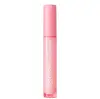
This barrier-repair lip moisturizer is formulated around Petrolatum and Butyrospermum Parkii Butter to strengthen the lip barrier and hydrate lips.
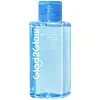
This mild micellar makeup remover is made to dissolve makeup, sunscreen, and daily buildup.

What's inside
What's inside
 Key Ingredients
No key ingredients
Benefits
Concerns
Ingredients Side-by-side
Petrolatum
Emollient



Hydrogenated Polydecene
EmollientPentaerythrityl Tetraisostearate
Emollient

Microcrystalline Wax
Emulsion StabilisingCaprylic/Capric Triglyceride
Masking

Bis-Diglyceryl Polyacyladipate-2
Emollient
Olea Europaea Fruit Oil
Masking


Tridecyl Trimellitate
EmollientSilica Dimethyl Silylate
EmollientButyrospermum Parkii Butter
Skin Conditioning
Synthetic Wax
Abrasive
Helianthus Annuus Seed Oil
Emollient
Tocopherol
Antioxidant





Fragaria Ananassa Fruit Juice
Skin ConditioningRubus Fruticosus Fruit Extract
AstringentPolyglyceryl-4 Isostearate
Emulsifying
Squalane
Emollient
Glycerin
Humectant
Dipalmitoyl Hydroxyproline
Skin Conditioning
Tocopheryl Acetate
Antioxidant
Aroma

Bisabolol
Antioxidant
Synthetic Fluorphlogopite
Pentaerythrityl Tetra-Di-T-Butyl Hydroxyhydrocinnamate
Antioxidant
Sucralose
Skin ConditioningEthylhexylglycerin
Skin ConditioningTitanium Dioxide
Cosmetic Colorant

Mica
Cosmetic ColorantOctyldodecanol
Emollient
Silica
Abrasive

Tin Oxide
Abrasive
CI 19140
Cosmetic ColorantZingiber Officinale Root Extract
Masking
Echium Plantagineum Seed Oil
Skin Conditioning
CI 77491
Cosmetic ColorantPolyhydroxystearic Acid
Emulsifying
BHT
Antioxidant
Aluminum Hydroxide
EmollientMagnesium Hydroxide
AbsorbentStearic Acid
Cleansing
Cardiospermum Halicacabum Flower/Leaf/Vine Extract
Skin ConditioningHyaluronic Acid
Humectant
Propylene Glycol
Humectant
Citric Acid
Buffering
Trideceth-9
EmulsifyingPetrolatum, Hydrogenated Polydecene, Pentaerythrityl Tetraisostearate, Microcrystalline Wax, Caprylic/Capric Triglyceride, Bis-Diglyceryl Polyacyladipate-2, Olea Europaea Fruit Oil, Tridecyl Trimellitate, Silica Dimethyl Silylate, Butyrospermum Parkii Butter, Synthetic Wax, Helianthus Annuus Seed Oil, Tocopherol, Fragaria Ananassa Fruit Juice, Rubus Fruticosus Fruit Extract, Polyglyceryl-4 Isostearate, Squalane, Glycerin, Dipalmitoyl Hydroxyproline, Tocopheryl Acetate, Aroma, Bisabolol, Synthetic Fluorphlogopite, Pentaerythrityl Tetra-Di-T-Butyl Hydroxyhydrocinnamate, Sucralose, Ethylhexylglycerin, Titanium Dioxide, Mica, Octyldodecanol, Silica, Tin Oxide, CI 19140, Zingiber Officinale Root Extract, Echium Plantagineum Seed Oil, CI 77491, Polyhydroxystearic Acid, BHT, Aluminum Hydroxide, Magnesium Hydroxide, Stearic Acid, Cardiospermum Halicacabum Flower/Leaf/Vine Extract, Hyaluronic Acid, Propylene Glycol, Citric Acid, Trideceth-9

Ingredients Explained
These ingredients are found in both products.
Ingredients higher up in an ingredient list are typically present in a larger amount.
Aroma refers to an ingredient, or mixture of ingredients, that impart or mask a flavor.
The name is slightly confusing. This is because INCI associates aroma with flavor instead of smell.
Here is the official definition from the The International Cosmetic Ingredient Dictionary and Handbook:
“Aroma is a term for ingredient labeling used to identify that a product contains a material or combination of materials normally added to a cosmetic to produce or to mask a particular flavor.”
INCI shows the only purpose of aroma to be "flavouring".
However, due to regulation differences, some companies may use aroma in place of parfum.
In Canada, this ingredient only has to be listed in concentrations above 1%.
Learn more about AromaPropylene Glycol is a synthetic, colorless, odorless liquid that has been a staple in cosmetics for decades. It is a skin conditioning agent, humectant, and solvent.
As a humectant, it draw water to the skin to reduce flaking and restore suppleness. It's also a solvent that helps dissolve other actives and keeps formulas stable across temperature changes.
The CIR Expert Panel has confirmed this ingredient to be nontoxic and clinical studies show no sensitization at cosmetic use concentrations.
True allergic reactions are quite rare: a 15-year retrospective study of 6,751 patients found only 0.31% had a positive reaction (and less than half were considered clinically relevant).
It seemed that when sensitization does occur, it's most commonly linked to topical medication (like corticosteroids) and not cosmetics. Allergic contact dermatitis also appears largely limited to individuals with underlying skin conditions.
Overall, propylene glycol is a well-studied ingredient that most people can tolerate without issue.
Learn more about Propylene Glycol

