Garnier Pure Active Intensive Daily Exfoliation Scrub Spots & Blackheads Versus Caudalie Vinopure Pore Purifying Gel Cleanser
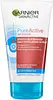
This salicylic acid cream cleanser is formulated around Salicylic Acid to clear breakouts and unclog pores.
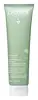
This salicylic acid gel cleanser is formulated around Salicylic Acid to clear breakouts and unclog pores.

What's inside
What's inside
 Key Ingredients
Benefits
Concerns
Ingredients Side-by-side
Water
Skin ConditioningGlycerin
Humectant


Cetyl Alcohol
Emollient



Stearic Acid
Cleansing
PEG-7 Glyceryl Cocoate
Emulsifying

Sodium Laureth Sulfate
Cleansing

Palmitic Acid
Emollient
Steareth-21
CleansingPerlite
Absorbent

Salicylic Acid
Masking




Coco-Betaine
Cleansing
Ammonium Polyacryloyldimethyl Taurate
Emulsion StabilisingCapryloyl Salicylic Acid
Exfoliating

CI 19140
Cosmetic ColorantCI 42090
Cosmetic ColorantCI 77007
Cosmetic ColorantCopper PCA
HumectantHydrogenated Castor Oil
Emollient
Hydrogenated Jojoba Oil
Abrasive
Menthol
Masking
Myristic Acid
Cleansing
Myristyl Alcohol
Emollient
Pentasodium Ethylenediamine Tetramethylene Phosphonate
Polysorbate 60
Emulsifying
Propylene Glycol
Humectant
Silica
Abrasive
Sodium Chloride
MaskingSodium Hydroxide
BufferingSorbitol
Humectant
Stearyl Alcohol
Emollient
T-Butyl Alcohol
Perfuming


Tetrasodium EDTA
Vaccinium Myrtillus Fruit Extract
Skin ConditioningZinc Gluconate
Skin Conditioning
Parfum
Masking
Water, Glycerin, Cetyl Alcohol, Stearic Acid, PEG-7 Glyceryl Cocoate, Sodium Laureth Sulfate, Palmitic Acid, Steareth-21, Perlite, Salicylic Acid, Coco-Betaine, Ammonium Polyacryloyldimethyl Taurate, Capryloyl Salicylic Acid, CI 19140, CI 42090, CI 77007, Copper PCA, Hydrogenated Castor Oil, Hydrogenated Jojoba Oil, Menthol, Myristic Acid, Myristyl Alcohol, Pentasodium Ethylenediamine Tetramethylene Phosphonate, Polysorbate 60, Propylene Glycol, Silica, Sodium Chloride, Sodium Hydroxide, Sorbitol, Stearyl Alcohol, T-Butyl Alcohol, Tetrasodium EDTA, Vaccinium Myrtillus Fruit Extract, Zinc Gluconate, Parfum
Water
Skin ConditioningVitis Vinifera Fruit Water
Skin ConditioningDecyl Glucoside
Cleansing
Glycerin
Humectant
Sodium Cocoyl Glutamate
Cleansing
Sucrose Cocoate
Emulsifying
Acacia Senegal Gum
MaskingXanthan Gum
EmulsifyingPropylene Glycol
Humectant
Citric Acid
Buffering
Aloe Barbadensis Leaf Powder
Skin Conditioning

Salicylic Acid
Masking
Vitis Vinifera Juice
Antioxidant
Sodium Benzoate
Masking
Pelargonium Graveolens Flower Oil
Masking
Mentha Piperita Oil
Masking
Citral
Perfuming
Cymbopogon Citratus Leaf Oil
Masking
Rosmarinus Officinalis Leaf Oil
Masking
Citronellol
Perfuming
Geraniol
Perfuming
Potassium Sorbate
Preservative
Linalool
Perfuming
Lavandula Hybrida Oil
Emollient
Melissa Officinalis Leaf Oil
Masking
Water, Vitis Vinifera Fruit Water, Decyl Glucoside, Glycerin, Sodium Cocoyl Glutamate, Sucrose Cocoate, Acacia Senegal Gum, Xanthan Gum, Propylene Glycol, Citric Acid, Aloe Barbadensis Leaf Powder, Salicylic Acid, Vitis Vinifera Juice, Sodium Benzoate, Pelargonium Graveolens Flower Oil, Mentha Piperita Oil, Citral, Cymbopogon Citratus Leaf Oil, Rosmarinus Officinalis Leaf Oil, Citronellol, Geraniol, Potassium Sorbate, Linalool, Lavandula Hybrida Oil, Melissa Officinalis Leaf Oil
Reviews
Ingredients Explained
These ingredients are found in both products.
Ingredients higher up in an ingredient list are typically present in a larger amount.
Glycerin (or glycerol) is a compound naturally found in your skin. It's a powerhouse humectant that pulls water into the stratum corneum.
Topically, glycerin does several things at once:
Your skin makes glycerin on its own (mostly from sebaceous oil breakdown) and shuttles it to your outermost layer of skin, or your epidermis, via aquaporin-3.
Aquaporin-3 is a transporter that is essential for normal skin hydration, elasticity, and repair. Interestingly, mice lacking in AQP3 have dry and less elastic skin that can be fully corrected with glycerin.
This ingredient is non-irritating, plays well with almost every ingredient, and works across all skin types. Typical use is anywhere between 3-10% but can go up to 79% in some leave-on products.
Just know very high concentrations (>40%) can feel tacky in low humidity.
Glycerin is the name for this ingredient in American English. British English uses Glycerol/Glycerine.
Learn more about GlycerinPropylene Glycol is a synthetic, colorless, odorless liquid that has been a staple in cosmetics for decades. It is a skin conditioning agent, humectant, and solvent.
As a humectant, it draw water to the skin to reduce flaking and restore suppleness. It's also a solvent that helps dissolve other actives and keeps formulas stable across temperature changes.
The CIR Expert Panel has confirmed this ingredient to be nontoxic and clinical studies show no sensitization at cosmetic use concentrations.
True allergic reactions are quite rare: a 15-year retrospective study of 6,751 patients found only 0.31% had a positive reaction (and less than half were considered clinically relevant).
It seemed that when sensitization does occur, it's most commonly linked to topical medication (like corticosteroids) and not cosmetics. Allergic contact dermatitis also appears largely limited to individuals with underlying skin conditions.
Overall, propylene glycol is a well-studied ingredient that most people can tolerate without issue.
Learn more about Propylene GlycolSalicylic Acid (also known as beta hydroxy acid or BHA) is a well-known ingredient for treating skin that struggles with acne and clogged pores. It exfoliates both the skin's surface and deep within the pores to help clear out buildup, control oil, and reduce inflammation.
Unlike AHAs (alpha hydroxy acids), salicylic acid is oil-soluble. This allows it to penetrate into pores which makes it especially effective for treating blackheads and preventing future breakouts.
Salicylic acid is also known for its soothing properties. It has a similar structure to aspirin and can calm inflamed or irritated skin, making it a good option for acne-prone skin that is also sensitive.
Concentrations of 0.5-2% are recognized by the U.S. FDA as an over-the-counter topical acne product.
It can cause irritation and/or dryness if one's skin already has a compromised moisture barrier, so it's best to focus on repairing that before introducing this ingredient into your routine.
While salicylic acid does not increase sun sensitivity, it’s still important to wear sunscreen daily to protect your skin.
If you are looking for the ingredient called BHA or Butylated Hydroxyanisole, click here.
Learn more about Salicylic AcidWater. It's the most common cosmetic ingredient of all. You'll usually see it at the top of ingredient lists, meaning that it makes up the largest part of the product.
So why is it so popular? Water most often acts as a solvent - this means that it helps dissolve other ingredients into the formulation.
You'll also recognize water as that liquid we all need to stay alive. If you see this, drink a glass of water. Remember to stay hydrated!
Learn more about Water

