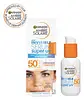
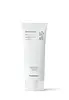
Garnier Ambre Solaire SPF 50+ Super UV Invisible Face Serum Versus Transparent Lab Invisible Sunscreen SPF 50+


What's inside
What's inside
 Key Ingredients
Benefits
Concerns
Ingredients Side-by-side
Water
Skin ConditioningAlcohol Denat.
Antimicrobial




Diisopropyl Sebacate
EmollientSilica
Abrasive


Isopropyl Myristate
Emollient


Ethylhexyl Salicylate
UV Absorber

Bis-Ethylhexyloxyphenol Methoxyphenyl Triazine
Skin Conditioning
Ethylhexyl Triazone
UV Absorber
Butyl Methoxydibenzoylmethane
UV Absorber
Glycerin
Humectant


Phenylbenzimidazole Sulfonic Acid
UV Absorber
Propanediol
Solvent
C12-22 Alkyl Acrylate/Hydroxyethylacrylate Copolymer
StabilisingTriethanolamine
BufferingDrometrizole Trisiloxane
UV Absorber
Caprylic/Capric Triglyceride
Masking
Tocopherol
Antioxidant





Hydroxyacetophenone
Antioxidant
Hydroxyethylcellulose
Emulsion StabilisingSodium Benzoate
Masking
Trisodium Ethylenediamine Disuccinate
Silica Silylate
Emollient
Cellulose
Absorbent
Aloe Barbadensis Leaf Juice
Skin Conditioning
Caprylyl Glycol
Emollient
Acrylates/C10-30 Alkyl Acrylate Crosspolymer
Emulsion StabilisingCeramide NP
Skin Conditioning
Citric Acid
Buffering
Potassium Sorbate
Preservative
Water, Alcohol Denat., Diisopropyl Sebacate, Silica, Isopropyl Myristate, Ethylhexyl Salicylate, Bis-Ethylhexyloxyphenol Methoxyphenyl Triazine, Ethylhexyl Triazone, Butyl Methoxydibenzoylmethane, Glycerin, Phenylbenzimidazole Sulfonic Acid, Propanediol, C12-22 Alkyl Acrylate/Hydroxyethylacrylate Copolymer, Triethanolamine, Drometrizole Trisiloxane, Caprylic/Capric Triglyceride, Tocopherol, Hydroxyacetophenone, Hydroxyethylcellulose, Sodium Benzoate, Trisodium Ethylenediamine Disuccinate, Silica Silylate, Cellulose, Aloe Barbadensis Leaf Juice, Caprylyl Glycol, Acrylates/C10-30 Alkyl Acrylate Crosspolymer, Ceramide NP, Citric Acid, Potassium Sorbate
Isododecane
EmollientDiethylamino Hydroxybenzoyl Hexyl Benzoate
UV Filter
Ethylhexyl Methoxycinnamate
UV Absorber
Bis-Ethylhexyloxyphenol Methoxyphenyl Triazine
Skin Conditioning
Dibutyl Adipate
EmollientEthylhexyl Salicylate
UV Absorber
Dimethicone/Bis-Isobutyl PPG-20 Crosspolymer
Emollient
Silica
Abrasive
Dimethicone
Emollient
Ethylhexyl Triazone
UV Absorber
Stearalkonium Hectorite
Gel FormingCoco-Caprylate
Emollient
Dimethicone/Polyglycerin-3 Crosspolymer
Cleansing
Ceramide Ng
Skin Conditioning
Ascorbyl Tetraisopalmitate
Antioxidant
Lupinus Albus Seed Oil
Skin Conditioning
Triticum Vulgare Germ Oil Unsaponifiables
Emollient
Tocopherol
Antioxidant
C12-15 Alkyl Benzoate
AntimicrobialPropylene Carbonate
SolventTocopheryl Acetate
Antioxidant
BHT
Antioxidant
Isododecane, Diethylamino Hydroxybenzoyl Hexyl Benzoate, Ethylhexyl Methoxycinnamate, Bis-Ethylhexyloxyphenol Methoxyphenyl Triazine, Dibutyl Adipate, Ethylhexyl Salicylate, Dimethicone/Bis-Isobutyl PPG-20 Crosspolymer, Silica, Dimethicone, Ethylhexyl Triazone, Stearalkonium Hectorite, Coco-Caprylate, Dimethicone/Polyglycerin-3 Crosspolymer, Ceramide Ng, Ascorbyl Tetraisopalmitate, Lupinus Albus Seed Oil, Triticum Vulgare Germ Oil Unsaponifiables, Tocopherol, C12-15 Alkyl Benzoate, Propylene Carbonate, Tocopheryl Acetate, BHT
Reviews
Ingredients Explained
These ingredients are found in both products.
Ingredients higher up in an ingredient list are typically present in a larger amount.
You might know this ingredient as Tinosorb S or Bemotrizinol. It is a UV filter that covers both UVA and UVB rays.
This ingredient has two peak UV absorption peaks ( 310 and 340 nm) and is able to absorb both UV-A and UV-B rays. This ingredient works by preventing UV rays from reaching and damaging your skin.
On top of that - it is highly photostable and helps prevent the photodegration of other sunscreen ingredients such as avobenzone.
Tinosorb S is allowed in the EU, Australia, and Asia. It is close to being approved by the FDA and we'll hopefully get this ingredient in the U.S. by late 2026.
Fun fact: Tinosorb S is the most effective UV absorber at maximum concentration (measured by SPF) permitted in the EU.
This ingredient is oil-soluble, so your oil-cleansers will take this right off at night.
Learn more about Bis-Ethylhexyloxyphenol Methoxyphenyl TriazineEthylhexyl Salicylate is an organic compound used to block UV rays. It primarily absorbs UVB rays but offers a small amount of UVA protection as well.
Commonly found in sunscreens, Ethylhexyl Salicylate is created from salicylic acid and 2-ethylhexanol. You might know salicylic acid as the effective acne fighter ingredient and BHA.
The ethylhexanol in this ingredient is a fatty alcohol and helps hydrate your skin, similar to oils. It is an emollient, which means it traps moisture into the skin.
According to manufacturers, Ethylhexyl Salicylate absorbs UV wavelength of 295-315 nm, with a peak absorption at 307-310 nm. UVA rays are linked to long term skin damage, such as hyperpigmentation. UVB rays emit more energy and are capable of damaging our DNA. UVB rays cause sunburn.
Learn more about Ethylhexyl SalicylateEthylhexyl Triazone is a modern chemical sunscreen that protects from UV-B radiation.
It is the most effective of existing UV-B filters, as it provides the highest level of photo-stable absorption. It protects from the entire UV-B range (280 to 320nm), with it's highest level of protection at 314nm.
Ethylhexyl Triazone is oil soluble, oderless and colorless, which mean it is able to be incorporated into a variety of different formulations.
It is not currently available within the United States due to slow changing FDA regulations. Outside of the US, it is used in formulations at concentrations up to 5%.
Learn more about Ethylhexyl TriazoneSilica, also known as silicon dioxide, is a naturally occurring mineral. It is used as a fine, spherical, and porous powder in cosmetics.
Though it has exfoliant properties, the function of silica varies depending on the product.
The unique structure of silica enhances the spreadability and adds smoothness, making it a great texture enhancer.
It is also used as an active carrier, emulsifier, and mattifier due to its ability to absorb excess oil.
In some products, tiny microneedles called spicules are made from silica or hydrolyzed sponge. When you rub them in, they lightly polish away dead skin layers and enhance the penetration of active ingredients.
Learn more about SilicaTocopherol is a fat-soluble antioxidant known as Vitamin E.
You'll find this ingredient in the vast majority of skincare (for good reason). It works to neutralize free radicals, or unstable molecules generated by UV exposure, pollution, and other environmental stressors, before they can cause oxidative damage to your skin cells.
Topically applied tocopherol has been shown to protect against UV damage by ramping up the skin's own natural defense enzymes.
It also acts as a skin conditioning agent; some studies show that regular topical use can improve the skin's water-binding capacity over 2-4 weeks.
This ingredient is especially loved for being a team player. When combined with Vitamin C, the photoprotective effect of both ingredients roughly doubles and the combo also helps reduce UV-induced DNA damage.
In formulations, it also serves as a stabilizer that helps protect other oxidation-prone ingredients from degrading.
Concentrations usually range from 0.1-1% in most leave-on products.
Learn more about Tocopherol
