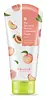
This oil-based cleanser is made to cleanse without leaving your skin tight or dry.
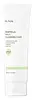
This salicylic acid foaming cleanser is formulated around Salicylic Acid to clear breakouts and unclog pores.

What's inside
What's inside
 Key Ingredients
Benefits
Concerns
Ingredients Side-by-side
Vitis Vinifera Fruit Extract
Skin ConditioningMethylpropanediol
Solvent1,2-Hexanediol
Skin Conditioning
PEG-32
HumectantGlycerin
Humectant

Betaine
Humectant
Panthenol
Skin Conditioning
Diethoxyethyl Succinate
SolventPEG-60 Hydrogenated Castor Oil
Emulsifying


Ethylhexylglycerin
Skin ConditioningSodium Citrate
BufferingCitric Acid
Buffering

Prunus Avium Seed Oil
Emollient
Vitis Vinifera Seed Oil
Emollient
Citrus Grandis Seed Oil
Emollient
Mangifera Indica Seed Oil
Emollient
Punica Granatum Seed Oil
Emollient
Solanum Lycopersicum Seed Oil
Emollient
Tocopherol
Antioxidant



Disodium EDTA
ChelatingPhenoxyethanol
Preservative
Parfum
Masking


Hexyl Cinnamal
Perfuming
Benzyl Salicylate
Perfuming
Vitis Vinifera Fruit Extract, Methylpropanediol, 1,2-Hexanediol, PEG-32, Glycerin, Betaine, Panthenol, Diethoxyethyl Succinate, PEG-60 Hydrogenated Castor Oil, Ethylhexylglycerin, Sodium Citrate, Citric Acid, Prunus Avium Seed Oil, Vitis Vinifera Seed Oil, Citrus Grandis Seed Oil, Mangifera Indica Seed Oil, Punica Granatum Seed Oil, Solanum Lycopersicum Seed Oil, Tocopherol, Disodium EDTA, Phenoxyethanol, Parfum, Hexyl Cinnamal, Benzyl Salicylate
Water
Skin ConditioningSodium Cocoyl Isethionate
Cleansing
Glycerin
Humectant
Sodium Cocoyl Glycinate
Cleansing
Coco-Betaine
Cleansing
1,2-Hexanediol
Skin Conditioning
Coconut Acid
Cleansing
Sodium Methyl Cocoyl Taurate
Cleansing
Glyceryl Stearate
Emollient
Stearyl Alcohol
Emollient
Sodium Chloride
MaskingCaprylyl Glycol
Emollient
Butylene Glycol
Humectant
Pentylene Glycol
Skin Conditioning
Sodium Isethionate
CleansingSalicylic Acid
Masking





Polyquaternium-67
Hydroxyacetophenone
Antioxidant
Centella Asiatica Extract
Cleansing
Allantoin
Skin Conditioning
Panthenol
Skin Conditioning
Pinus Sylvestris Leaf Oil
Masking
Triticum Vulgare Sprout Extract
Skin ConditioningBrassica Oleracea Italica Extract
AstringentBrassica Oleracea Capitata Leaf Extract
Skin ConditioningMedicago Sativa Extract
TonicRaphanus Sativus Seed Extract
Skin ConditioningBrassica Campestris Extract
Skin ConditioningDisodium EDTA
ChelatingWater, Sodium Cocoyl Isethionate, Glycerin, Sodium Cocoyl Glycinate, Coco-Betaine, 1,2-Hexanediol, Coconut Acid, Sodium Methyl Cocoyl Taurate, Glyceryl Stearate, Stearyl Alcohol, Sodium Chloride, Caprylyl Glycol, Butylene Glycol, Pentylene Glycol, Sodium Isethionate, Salicylic Acid, Polyquaternium-67, Hydroxyacetophenone, Centella Asiatica Extract, Allantoin, Panthenol, Pinus Sylvestris Leaf Oil, Triticum Vulgare Sprout Extract, Brassica Oleracea Italica Extract, Brassica Oleracea Capitata Leaf Extract, Medicago Sativa Extract, Raphanus Sativus Seed Extract, Brassica Campestris Extract, Disodium EDTA
Reviews
Ingredients Explained
These ingredients are found in both products.
Ingredients higher up in an ingredient list are typically present in a larger amount.
1,2-Hexanediol is a synthetic liquid and another multi-functional powerhouse.
It is a:
- Humectant, drawing moisture into the skin
- Emollient, helping to soften skin
- Solvent, dispersing and stabilizing formulas
- Preservative booster, enhancing the antimicrobial activity of other preservatives
Disodium EDTA is a chelating agent. It grabs onto and deactivates metal ions that sneak into your products from water, packaging, or air.
This ingredient mainly works behind the scenes and helps with:
On top of that, this ingredient can counteract the effects of hard water by binding to the minerals in it.
One thing worth knowing is that Disodium EDTA has been shown to be a mild penetration enhancer. It can help other ingredients absorb into skin more effectively which can be a double-edged sword (great for actives, but can also make the active too strong if you have sensitive skin).
Clinical patch testing showed no significant skin irritation at typical use concentrations and minimal dermal absorption.
You'll most likely see this ingredient near the end of an ingredient list. It's typically found in concentrations less than 1%.
Learn more about Disodium EDTAGlycerin (or glycerol) is a compound naturally found in your skin. It's a powerhouse humectant that pulls water into the stratum corneum.
Topically, glycerin does several things at once:
Your skin makes glycerin on its own (mostly from sebaceous oil breakdown) and shuttles it to your outermost layer of skin, or your epidermis, via aquaporin-3.
Aquaporin-3 is a transporter that is essential for normal skin hydration, elasticity, and repair. Interestingly, mice lacking in AQP3 have dry and less elastic skin that can be fully corrected with glycerin.
This ingredient is non-irritating, plays well with almost every ingredient, and works across all skin types. Typical use is anywhere between 3-10% but can go up to 79% in some leave-on products.
Just know very high concentrations (>40%) can feel tacky in low humidity.
Glycerin is the name for this ingredient in American English. British English uses Glycerol/Glycerine.
Learn more about GlycerinPanthenol is a common ingredient that helps hydrate and soothe the skin. It is found naturally in our skin and hair.
There are two forms of panthenol: D and L.
D-panthenol is also known as dexpanthenol. Most cosmetics use dexpanthenol or a mixture of D and L-panthenol.
Panthenol is famous due to its ability to go deeper into the skin's layers. Using this ingredient has numerous pros (and no cons):
Like hyaluronic acid, panthenol is a humectant. Humectants are able to bind and hold large amounts of water to keep skin hydrated.
This ingredient works well for wound healing. It works by increasing tissue in the wound and helps close open wounds.
Once oxidized, panthenol converts to pantothenic acid. Panthothenic acid is found in all living cells.
This ingredient is also referred to as pro-vitamin B5.
Learn more about Panthenol

