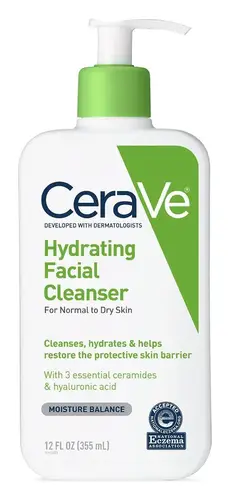
Frudia My Orchard Mochi Cleansing Foam Versus Frudia Pomegranate Nutri-Moisturizing Sticky Cleansing Foam
This oil-based cleanser is made to cleanse without leaving your skin tight or dry.

What's inside
What's inside
 Key Ingredients
Benefits
Concerns
Ingredients Side-by-side
Vitis Vinifera Fruit Extract
Skin ConditioningMethylpropanediol
Solvent1,2-Hexanediol
Skin Conditioning
PEG-32
HumectantGlycerin
Humectant

Betaine
Humectant
Panthenol
Skin Conditioning
Diethoxyethyl Succinate
SolventPEG-60 Hydrogenated Castor Oil
Emulsifying


Ethylhexylglycerin
Skin ConditioningSodium Citrate
BufferingCitric Acid
Buffering

Prunus Avium Seed Oil
Emollient

Vitis Vinifera Seed Oil
Emollient
Citrus Grandis Seed Oil
Emollient
Mangifera Indica Seed Oil
Emollient
Punica Granatum Seed Oil
Emollient
Solanum Lycopersicum Seed Oil
Emollient
Tocopherol
Antioxidant



Disodium EDTA
ChelatingPhenoxyethanol
Preservative
Parfum
Masking

Hexyl Cinnamal
Perfuming
Benzyl Salicylate
Perfuming
Vitis Vinifera Fruit Extract, Methylpropanediol, 1,2-Hexanediol, PEG-32, Glycerin, Betaine, Panthenol, Diethoxyethyl Succinate, PEG-60 Hydrogenated Castor Oil, Ethylhexylglycerin, Sodium Citrate, Citric Acid, Prunus Avium Seed Oil, Vitis Vinifera Seed Oil, Citrus Grandis Seed Oil, Mangifera Indica Seed Oil, Punica Granatum Seed Oil, Solanum Lycopersicum Seed Oil, Tocopherol, Disodium EDTA, Phenoxyethanol, Parfum, Hexyl Cinnamal, Benzyl Salicylate
Water
Skin ConditioningAmmonium Lauryl Sulfate
Cleansing

Ammonium Laureth Sulfate
Cleansing
Cocamidopropyl Betaine
Cleansing
Acrylates/Vinyl Neodecanoate Crosspolymer
Emulsion StabilisingSodium Chloride
MaskingPotassium Hydroxide
BufferingBetaine
Humectant
Erythritol
Humectant
Citrus Iyo Peel Extract
HumectantTitanium Dioxide
Cosmetic Colorant

Butylene Glycol
Humectant
Sodium Amps
Hexylene Glycol
EmulsifyingPassiflora Edulis Fruit Extract
Skin ConditioningOleth-10
EmulsifyingPolysorbate 60
Emulsifying
Beta-Glucan
Skin Conditioning
Silica
Abrasive


Triethoxycaprylylsilane

Sodium Hyaluronate
Humectant
Tetrasodium Glutamate Diacetate
ChelatingHoney Extract
Humectant
Ethylhexylglycerin
Skin ConditioningDisodium EDTA
ChelatingChlorphenesin
Antimicrobial
Linalool
Perfuming
Limonene
Perfuming
Benzyl Benzoate
Antimicrobial
Hexyl Cinnamal
Perfuming
Water, Ammonium Lauryl Sulfate, Ammonium Laureth Sulfate, Cocamidopropyl Betaine, Acrylates/Vinyl Neodecanoate Crosspolymer, Sodium Chloride, Potassium Hydroxide, Betaine, Erythritol, Citrus Iyo Peel Extract, Titanium Dioxide, Butylene Glycol, Sodium Amps, Hexylene Glycol, Passiflora Edulis Fruit Extract, Oleth-10, Polysorbate 60, Beta-Glucan, Silica, Triethoxycaprylylsilane, Sodium Hyaluronate, Tetrasodium Glutamate Diacetate, Honey Extract, Ethylhexylglycerin, Disodium EDTA, Chlorphenesin, Linalool, Limonene, Benzyl Benzoate, Hexyl Cinnamal
Reviews
Ingredients Explained
These ingredients are found in both products.
Ingredients higher up in an ingredient list are typically present in a larger amount.
Betaine is a humectant. Like hyaluronic acid, it helps attract and retain moisture in the skin. It’s known for being gentle and for helping the skin maintain balanced hydration.
Betaine is mainly used to improve hydration and support calmer skin. It helps skin cells regulate water balance because it functions as an osmolyte.
Some studies suggest betaine may support making skin tone more even.
Fun fact: Betaine naturally exists in the skin and the body. In cosmetic products, it can be either plant-derived (most commonly from sugar beets) or synthetically produced for consistency and stability.
Betaine is also known as trimethylglycine.
Learn more about BetaineDisodium EDTA is a chelating agent. It grabs onto and deactivates metal ions that sneak into your products from water, packaging, or air.
This ingredient mainly works behind the scenes and helps with:
On top of that, this ingredient can counteract the effects of hard water by binding to the minerals in it.
One thing worth knowing is that Disodium EDTA has been shown to be a mild penetration enhancer. It can help other ingredients absorb into skin more effectively which can be a double-edged sword (great for actives, but can also make the active too strong if you have sensitive skin).
Clinical patch testing showed no significant skin irritation at typical use concentrations and minimal dermal absorption.
You'll most likely see this ingredient near the end of an ingredient list. It's typically found in concentrations less than 1%.
Learn more about Disodium EDTAEthylhexylglycerin is created from glycerin. It is a multitasker ingredient that:
The CIR Expert Panel found minimal skin absorption or sensitization of any kind in a safety assessment. Though this ingredient is considered well-tolerated, a small number of cases of allergic dermatitis have been published since 2002. Just be sure to patch test if you are unsure.
Industry-reported use ranges from 8% in rinse-off products and 2% in leave-on formulations.
Learn more about EthylhexylglycerinHexyl Cinnamal is a fragrance ingredient with a similar scent to jasmine. It can be naturally found in chamomile essential oil.
This ingredient is a known EU allergen and may sensitize the skin. The EU requires this ingredient to be listed separately on an ingredients list.
Hexyl Cinnamal is not water soluble but is soluble in oils.
Learn more about Hexyl Cinnamal