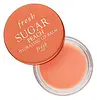
This lip moisturizer is formulated around Bis-Diglyceryl Polyacyladipate-2 and Vitis Vinifera Seed Oil to hydrate lips.
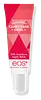
This lip moisturizer is formulated around Bis-Diglyceryl Polyacyladipate-2 and Ricinus Communis Seed Oil to hydrate lips.

What's inside
What's inside
 Key Ingredients
Benefits
Concerns
Ingredients Side-by-side
Isononyl Isononanoate
EmollientC10-30 Cholesterol/Lanosterol Esters
Emulsifying

Bis-Diglyceryl Polyacyladipate-2
Emollient
Cera Microcristallina
Emulsion StabilisingPolybutene
Ethylene/Propylene/Styrene Copolymer
Glyceryl Behenate
Emollient
Prunus Armeniaca Kernel Oil
Masking


Butylene/Ethylene/Styrene Copolymer
Parfum
Masking


Ribes Nigrum Seed Oil
Emollient
Vitis Vinifera Seed Oil
Emollient
Mel Extract
MoisturisingSucrose Tetrastearate Triacetate
Emollient
Caramel
Cosmetic ColorantTocopherol
Antioxidant





Ascorbyl Palmitate
Antioxidant

Silica Silylate
Emollient
BHT
Antioxidant
Ammonium Glycyrrhizate
MaskingPolyglyceryl-2 Triisostearate
Emulsifying
Vanillin
Masking
Water
Skin ConditioningCI 77492
Cosmetic ColorantCI 77491
Cosmetic ColorantTrimethylolpropane Triisostearate
Emollient
CI 77499
Cosmetic ColorantPropyl Gallate
Antioxidant
Phenoxyethanol
Preservative
Limonene
Perfuming
Linalool
Perfuming
Citral
Perfuming
Benzyl Alcohol
Perfuming
Isononyl Isononanoate, C10-30 Cholesterol/Lanosterol Esters, Bis-Diglyceryl Polyacyladipate-2, Cera Microcristallina, Polybutene, Ethylene/Propylene/Styrene Copolymer, Glyceryl Behenate, Prunus Armeniaca Kernel Oil, Butylene/Ethylene/Styrene Copolymer, Parfum, Ribes Nigrum Seed Oil, Vitis Vinifera Seed Oil, Mel Extract, Sucrose Tetrastearate Triacetate, Caramel, Tocopherol, Ascorbyl Palmitate, Silica Silylate, BHT, Ammonium Glycyrrhizate, Polyglyceryl-2 Triisostearate, Vanillin, Water, CI 77492, CI 77491, Trimethylolpropane Triisostearate, CI 77499, Propyl Gallate, Phenoxyethanol, Limonene, Linalool, Citral, Benzyl Alcohol
Octyldodecanol
Emollient
Synthetic Beeswax
Emulsion Stabilising
Bis-Diglyceryl Polyacyladipate-2
Emollient
Ricinus Communis Seed Oil
Masking
Petrolatum
Emollient
Cera Alba
Emollient
Aroma
Polyglyceryl-3 Diisostearate
Emulsifying
Butyrospermum Parkii Butter
Skin Conditioning
Persea Gratissima Oil
Skin Conditioning
Theobroma Cacao Seed Butter
Emollient
Jojoba Esters
Emollient
Helianthus Annuus Seed Wax
Skin Conditioning
Olea Europaea Fruit Oil
Masking
Acacia Decurrens Flower Wax
Emollient
Stevia Rebaudiana Leaf/Stem Extract
MaskingTocopheryl Acetate
Antioxidant
Ascorbyl Palmitate
Antioxidant
Sorbitan Oleate
Emulsifying
Polyglycerin-3
Humectant
Phytosterols
Skin Conditioning
Silica
Abrasive

Citric Acid
Buffering
Octyldodecanol, Synthetic Beeswax, Bis-Diglyceryl Polyacyladipate-2, Ricinus Communis Seed Oil, Petrolatum, Cera Alba, Aroma, Polyglyceryl-3 Diisostearate, Butyrospermum Parkii Butter, Persea Gratissima Oil, Theobroma Cacao Seed Butter, Jojoba Esters, Helianthus Annuus Seed Wax, Olea Europaea Fruit Oil, Acacia Decurrens Flower Wax, Stevia Rebaudiana Leaf/Stem Extract, Tocopheryl Acetate, Ascorbyl Palmitate, Sorbitan Oleate, Polyglycerin-3, Phytosterols, Silica, Citric Acid
Reviews
Ingredients Explained
These ingredients are found in both products.
Ingredients higher up in an ingredient list are typically present in a larger amount.
Ascorbyl Palmitate is a fat-soluble form of vitamin C (Ascorbic Acid) made by combining it with palmitic acid.
It is able to blend easily into creams and oil-based formulas because it dissolves in oils rather than water.
As you may know, regular vitamin C is notorious for breaking down when exposed to sunlight and air. Ascorbyl Palmitate is more stable and degrades at a slower rate.
Research on whether it converts efficiently into active vitamin C once it's applied on your skin is still limited.
Some in-vitro studies suggest it may support collagen production, but it is not considered one of the stronger vitamin C derivatives, like:
Due to the palmitic acid base, this ingredient may not be fungal acne safe. Comedogenic studies have also shown this ingredient to have a rating of 2.
It's also worth keeping in mind that comedogenic and irritancy ratings are tested on individual ingredients, not finished formulas. The final product's formulation, concentration, and other ingredients all play a role in how something actually behaves on your skin.
Learn more about Ascorbyl PalmitateBis-Diglyceryl Polyacyladipate-2 is a synthetic emollient that works as a lanolin substitute.
This ingredient is a great vegan option for those avoiding animal-derived ingredients.
It mostly stays on the surface of skin where it helps hydrate due to its large molecular size and low water solubility.
Due to it being derived from fatty acids, this ingredient may not be Malassezia or fungal acne safe.
Learn more about Bis-Diglyceryl Polyacyladipate-2

