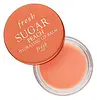
This lip moisturizer is formulated around Bis-Diglyceryl Polyacyladipate-2 and Vitis Vinifera Seed Oil to hydrate lips.
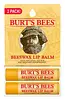
This lip moisturizer is formulated around Cera Alba and Cocos Nucifera Oil to hydrate lips.

What's inside
What's inside
 Key Ingredients
Benefits
Concerns
Ingredients Side-by-side
Isononyl Isononanoate
EmollientC10-30 Cholesterol/Lanosterol Esters
Emulsifying

Bis-Diglyceryl Polyacyladipate-2
Emollient
Cera Microcristallina
Emulsion StabilisingPolybutene
Ethylene/Propylene/Styrene Copolymer
Glyceryl Behenate
Emollient
Prunus Armeniaca Kernel Oil
Masking


Butylene/Ethylene/Styrene Copolymer
Parfum
Masking


Ribes Nigrum Seed Oil
Emollient
Vitis Vinifera Seed Oil
Emollient
Mel Extract
MoisturisingSucrose Tetrastearate Triacetate
Emollient
Caramel
Cosmetic ColorantTocopherol
Antioxidant





Ascorbyl Palmitate
Antioxidant

Silica Silylate
Emollient
BHT
Antioxidant
Ammonium Glycyrrhizate
MaskingPolyglyceryl-2 Triisostearate
Emulsifying
Vanillin
Masking
Water
Skin ConditioningCI 77492
Cosmetic ColorantCI 77491
Cosmetic ColorantTrimethylolpropane Triisostearate
Emollient
CI 77499
Cosmetic ColorantPropyl Gallate
Antioxidant
Phenoxyethanol
Preservative
Limonene
Perfuming
Linalool
Perfuming
Citral
Perfuming
Benzyl Alcohol
Perfuming
Isononyl Isononanoate, C10-30 Cholesterol/Lanosterol Esters, Bis-Diglyceryl Polyacyladipate-2, Cera Microcristallina, Polybutene, Ethylene/Propylene/Styrene Copolymer, Glyceryl Behenate, Prunus Armeniaca Kernel Oil, Butylene/Ethylene/Styrene Copolymer, Parfum, Ribes Nigrum Seed Oil, Vitis Vinifera Seed Oil, Mel Extract, Sucrose Tetrastearate Triacetate, Caramel, Tocopherol, Ascorbyl Palmitate, Silica Silylate, BHT, Ammonium Glycyrrhizate, Polyglyceryl-2 Triisostearate, Vanillin, Water, CI 77492, CI 77491, Trimethylolpropane Triisostearate, CI 77499, Propyl Gallate, Phenoxyethanol, Limonene, Linalool, Citral, Benzyl Alcohol





Reviews
Ingredients Explained
These ingredients are found in both products.
Ingredients higher up in an ingredient list are typically present in a larger amount.
Limonene is the compound that gives citrus peel its smell.
In skincare, it shows up as a standalone fragrance ingredient or as a natural compound of citrus and other essential oils.
You'll typically see this ingredient used in very small amounts; anything above 0.001% in a leave-on product or 0.01% in a rinse-off has to be named on the label in the EU. The citrus oils that carry it sit around 0.5-1% in a finished formula.
Fresh limonene is a weak allergen; the real issue is that it slowly reacts with air and then breaks down from oxidation to create hydroperoxides (which are strong sensitizers). This is why suppliers are required to keep the peroxide value below 20 mmol.
Positive reactions in people being investigated for eczema vary:
It's worth skipping if you have a known fragrance allergy or a compromised barrier, but the risk is low for most people.
Older or long-opened products are also more likely to bother you than fresh ones due to oxidation.
Learn more about LimoneneTocopherol is a fat-soluble antioxidant known as Vitamin E.
You'll find this ingredient in the vast majority of skincare (for good reason). It works to neutralize free radicals, or unstable molecules generated by UV exposure, pollution, and other environmental stressors, before they can cause oxidative damage to your skin cells.
Topically applied tocopherol has been shown to protect against UV damage by ramping up the skin's own natural defense enzymes.
It also acts as a skin conditioning agent; some studies show that regular topical use can improve the skin's water-binding capacity over 2-4 weeks.
This ingredient is especially loved for being a team player. When combined with Vitamin C, the photoprotective effect of both ingredients roughly doubles and the combo also helps reduce UV-induced DNA damage.
This ingredient has some brightening potential but it's more of a prevention ingredient than spot-fader. Cell studies show it can slow down melanin production but it's worth noting that it's not the most powerful brightener out there.
In formulations, it also serves as a stabilizer that helps protect other oxidation-prone ingredients from degrading.
Concentrations usually range from 0.1-1% in most leave-on products.
Learn more about Tocopherol

