Fixderma Skincare Dewrav Acne Control & Oil Free Face Moisturizer Versus Grace Derma Healthcare Cerasoft OC Moisturizer For Oily Skin
This acne moisturizer is formulated around Niacinamide and Salix Alba Bark Extract to clear breakouts and balance excess oil.
This oil-control moisturizer is formulated around Salicylic Acid and Zinc PCA to balance excess oil and clear breakouts.

What's inside
What's inside
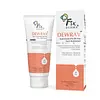 Key Ingredients
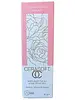
Benefits
Concerns
Ingredients Side-by-side
Propanediol
Solvent

Niacinamide
Smoothing










Water
Skin ConditioningSalix Alba Bark Extract
Astringent
Glycolic Acid
Buffering



Glycerin
Humectant
Rubus Idaeus Fruit Extract
AstringentFragaria Ananassa Fruit Extract
Skin Conditioning
Actinidia Chinensis Fruit Extract
EmollientPyrus Malus Fruit Extract
Skin Conditioning
Prunus Persica Fruit Extract
Abrasive
Carica Papaya Fruit Extract
Skin ConditioningCucumis Sativus Fruit Extract
Emollient
Sodium Benzoate
Masking
Potassium Sorbate
Preservative
Harungana Madagascariensis Extract
Skin ConditioningTocopheryl Acetate
Antioxidant

Cyamopsis Tetragonoloba Gum
Emulsion StabilisingCeramide NP
Skin Conditioning
Ceramide AP
Skin Conditioning
Ceramide EOP
Skin Conditioning
Phytosphingosine
Skin Conditioning
Cholesterol
Emollient
Sodium Lauroyl Lactylate
EmulsifyingCarbomer
Emulsion StabilisingXanthan Gum
EmulsifyingCapryloyl Glycine
CleansingPhenoxyethanol
Preservative
Ethylhexylglycerin
Skin ConditioningSilica
Abrasive
Mentha Piperita Oil
Masking





Propanediol, Niacinamide, Water, Salix Alba Bark Extract, Glycolic Acid, Glycerin, Rubus Idaeus Fruit Extract, Fragaria Ananassa Fruit Extract, Actinidia Chinensis Fruit Extract, Pyrus Malus Fruit Extract, Prunus Persica Fruit Extract, Carica Papaya Fruit Extract, Cucumis Sativus Fruit Extract, Sodium Benzoate, Potassium Sorbate, Harungana Madagascariensis Extract, Tocopheryl Acetate, Cyamopsis Tetragonoloba Gum, Ceramide NP, Ceramide AP, Ceramide EOP, Phytosphingosine, Cholesterol, Sodium Lauroyl Lactylate, Carbomer, Xanthan Gum, Capryloyl Glycine, Phenoxyethanol, Ethylhexylglycerin, Silica, Mentha Piperita Oil
Water
Skin ConditioningCaprylic/Capric Triglyceride
Masking
Lecithin
Emollient
Saccharide Isomerate
Humectant
Citric Acid
Buffering
Sodium Citrate
BufferingSalicylic Acid
Masking
Ascorbic Acid
Antioxidant
Cinnamomum Zeylanicum Bark Extract
Antimicrobial
Capryloyl Glycine
CleansingSalix Alba Bark Extract
Astringent
Zinc PCA
Humectant
Curcuma Longa Root Extract
Antioxidant
Sodium Acrylates Copolymer
Sodium Lactate
Buffering
Zingiber Officinale Extract
Skin ConditioningEthylhexylglycerin
Skin ConditioningPhenoxyethanol
Preservative
Sodium Gluconate
ChelatingMelaleuca Alternifolia Leaf Oil
Antioxidant
Water, Caprylic/Capric Triglyceride, Lecithin, Saccharide Isomerate, Citric Acid, Sodium Citrate, Salicylic Acid, Ascorbic Acid, Cinnamomum Zeylanicum Bark Extract, Capryloyl Glycine, Salix Alba Bark Extract, Zinc PCA, Curcuma Longa Root Extract, Sodium Acrylates Copolymer, Sodium Lactate, Zingiber Officinale Extract, Ethylhexylglycerin, Phenoxyethanol, Sodium Gluconate, Melaleuca Alternifolia Leaf Oil
Ingredients Explained
These ingredients are found in both products.
Ingredients higher up in an ingredient list are typically present in a larger amount.
Capryloyl Glycine is created by adding an acyl group to glycine and caprylic acid chloride.
It is a cleanser due to its surfactant properties. Surfactants help dirt, oil, and other polluants be more easily rinsed away. According to manufacturers, Capryloyl Glycine also helps soften the skin and regulate sebum production.
Emerging studies show Capryloyl Glycine may inhibit hair growth. It may also cause allergies for some people. We recommend speaking with a professional if you have any questions about this ingredient.
Learn more about Capryloyl GlycineEthylhexylglycerin is created from glycerin. It is a multitasker ingredient that:
The CIR Expert Panel found minimal skin absorption or sensitization of any kind in a safety assessment. Though this ingredient is considered well-tolerated, a small number of cases of allergic dermatitis have been published since 2002. Just be sure to patch test if you are unsure.
Industry-reported use ranges from 8% in rinse-off products and 2% in leave-on formulations.
Learn more about EthylhexylglycerinPhenoxyethanol is one of the most widely used preservatives in skincare (and for good reason!).
It has a large spectrum of antimicrobial activity and especially effective bacteria, yeast, and mold while only having a weak effect on your skin's natural microbiome.
On a cellular level, it disrupts the cell membranes of microbes by poking holes that make the cell leak. This shuts down the chemical reactions the microbe needs to make energy so it can no longer survive.
Another perk of this ingredient is that it stays functional across a wide pH range (3-10).
You'll often see it paired with boosters like Ethylhexylglycerin; one study showed that a 1:9 ratio of Ethylhexylglycerin to Phenoxyethanol damages bacterial membranes as effectively as doubling the Phenoxyethanol concentration on its own.
Typical use concentrations range from 0.3-1% depending on the formula, and this ingredient is capped at 1% int the EU.
Safety-wise, the fear mongering does not hold up to the evidence. The EU's Scientific Committee on Consumer Safety and FDA consider it safe as a preservative at up to 1%, including for children of all ages.
Adverse systemic effects only showed up in animal studies at exposures roughly 200x higher than what people get from cosmetics. And despite its very widespread use, this ingredient is a rare sensitizer and allergic reactions are uncommon.
Learn more about PhenoxyethanolSalix Alba Bark Extract comes from the bark of the white willow tree. The official CosIng listing states this ingredient to have astringent, skin conditioning, soothing, and tonic properties.
Its star compound is salicin, a natural glucoside that is chemically related to salicylic acid. That's why you'll often see it marketed as a "natural BHA alternative" but that's a bit of a stretch.
Your skin can't convert salicin to salicylic acid because it needs specific enzymes that aren't present on the skin's surface. It won't behave like true salicylic acid, especially at the concentrations used in cosmetics.
However, this ingredient has its own perks. It contains flavonoids, polyphenols, and tannins that give it proven antioxidant and soothing properties.
An 8-week clinical study found a cream with 2% of this extract improved skin microcirculation, elasticity, and dark circles. This is most likely due to its role in increasing hyaluronic acid synthesis in fibroblasts and improved vascular integrity.
Another study found a topical serum with 0.5% salicin showed improvements in visible signs of aging, hyperpigmentation, and texture.
Just be careful if you have a known aspirin/salicylate allergy and be sure to consult with a medical professional about using this ingredient if you do.
Fun fact: Willow Bark extract has been used for thousands of years and ancient civilizations used white willow to help treat pain and fevers.
Learn more about Salix Alba Bark ExtractWater. It's the most common cosmetic ingredient of all. You'll usually see it at the top of ingredient lists, meaning that it makes up the largest part of the product.
So why is it so popular? Water most often acts as a solvent - this means that it helps dissolve other ingredients into the formulation.
You'll also recognize water as that liquid we all need to stay alive. If you see this, drink a glass of water. Remember to stay hydrated!
Learn more about Water

