

What's inside
What's inside
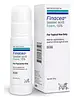 Key Ingredients
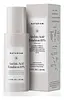
Benefits
Concerns
Ingredients Side-by-side

Water
Skin ConditioningAzelaic Acid
Buffering









Butylene Glycol
Humectant

C12-15 Alkyl Benzoate
AntimicrobialGlycerin
Humectant
Caprylic/Capric Triglyceride
Masking
Methylpropanediol
SolventPentylene Glycol
Skin Conditioning
Isostearyl Alcohol
Emollient

C13-15 Alkane
SolventEthylhexyl Olivate
Skin Conditioning
Butylene Glycol Cocoate
Emulsifying
Niacinamide
Smoothing

Allantoin
Skin Conditioning
Sebacic Acid
BufferingAcetyl Rheum Rhaponticum Root Extract
BleachingAstrocaryum Murumuru Seed Butter
Emollient
Gossypium Herbaceum Seed Oil
Skin Conditioning

Bidens Pilosa Extract
HumectantLinum Usitatissimum Seed Oil
Perfuming

Avena Sativa Kernel Extract
Abrasive

Carbomer
Emulsion StabilisingHydroxyacetophenone
Antioxidant
Silica
Abrasive
Benzyl Alcohol
Perfuming




Panthenyl Triacetate
Xanthan Gum
EmulsifyingSodium Hydroxide
BufferingEthylcellulose
Squalane
Emollient
Ethylhexylglycerin
Skin ConditioningLactobacillus Ferment
Skin Conditioning
Sodium Benzoate
Masking
Potassium Sorbate
Preservative
Tocopherol
Antioxidant
Water, Azelaic Acid, Butylene Glycol, C12-15 Alkyl Benzoate, Glycerin, Caprylic/Capric Triglyceride, Methylpropanediol, Pentylene Glycol, Isostearyl Alcohol, C13-15 Alkane, Ethylhexyl Olivate, Butylene Glycol Cocoate, Niacinamide, Allantoin, Sebacic Acid, Acetyl Rheum Rhaponticum Root Extract, Astrocaryum Murumuru Seed Butter, Gossypium Herbaceum Seed Oil, Bidens Pilosa Extract, Linum Usitatissimum Seed Oil, Avena Sativa Kernel Extract, Carbomer, Hydroxyacetophenone, Silica, Benzyl Alcohol, Panthenyl Triacetate, Xanthan Gum, Sodium Hydroxide, Ethylcellulose, Squalane, Ethylhexylglycerin, Lactobacillus Ferment, Sodium Benzoate, Potassium Sorbate, Tocopherol
Reviews
Ingredients Explained
These ingredients are found in both products.
Ingredients higher up in an ingredient list are typically present in a larger amount.
Azelaic acid is a multitasker ingredient that helps treat acne, pigmentation, and irritation. It is a great option for sensitive skin.
What makes it special?
OTC Azelaic acid is usually available in concentrations from 10-15% and anything over requires a prescription.
Here's what each tier does best:
Unlike other acids, azelaic acid will not make your skin more photosensitive/sun sensitive.
Though this ingredient is naturally occurring in grains like wheat, rye, and barley, it is usually synthetically created for cosmetics to ensure stability and effectiveness.
Learn more about Azelaic AcidCaprylic/Capric Triglyceride (aka MCT Oil) is a lightweight emollient, solvent, and texture enhancer. It is considered a skin-softener by helping to prevent moisture loss.
Though it behaves like an oil, it is not technically one due to its chemical composition. One perk of this ingredient is that it is very stable, resistant to oxidation, and unlikely to go rancid.
In practice, that translates to a long shelf life and a consistently elegant skin feel.
While there is an assumption Caprylic Triglyceride can clog pores due to it being derived from coconut oil, there is no research supporting this. Just patch test if you have concerns.
Fractionated coconut oil and MCT Oil are both listed as Caprylic/Capric Triglyceride according to INCI. This is because INCI names are based on the ingredient’s final chemical composition and not its marketing name or source.
This ingredient is treated as the gold standard fungal acne safe oil. Even though it is coconut derived, the problematic lauric acid is stripped out.
This leaves just caprylic (C8) and capric (C10) acid. These chain lengths actually trend antifungal; a 2020 study found caprylic acid was enough to disrupt Malassezia furfur cell membrane, with a caprylic acid derivative damaging membrane structures at concentrations as low as 0.2%.
Learn more about Caprylic/Capric TriglycerideSodium Hydroxide is also known as lye or caustic soda. It is used to adjust the pH of products; many ingredients require a specific pH to be effective.
In small amounts, sodium hydroxide is considered safe to use. However, large amounts may cause chemical burns due to its high alkaline.
Your skin has a natural pH and acid mantle. This acid mantle helps prevent harmful bacteria from breaking through. The acid mantle also helps keep your skin hydrated.
"Alkaline" refers to a high pH level. A low pH level would be considered acidic.
Learn more about Sodium HydroxideWater. It's the most common cosmetic ingredient of all. You'll usually see it at the top of ingredient lists, meaning that it makes up the largest part of the product.
So why is it so popular? Water most often acts as a solvent - this means that it helps dissolve other ingredients into the formulation.
You'll also recognize water as that liquid we all need to stay alive. If you see this, drink a glass of water. Remember to stay hydrated!
Learn more about WaterXanthan gum is used as a stabilizer and thickener within cosmetic products. It helps give products a sticky, thick feeling - preventing them from being too runny.
On the technical side of things, xanthan gum is a polysaccharide - a combination consisting of multiple sugar molecules bonded together.
Xanthan gum is a pretty common and great ingredient. It is a natural, non-toxic, non-irritating ingredient that is also commonly used in food products.
Learn more about Xanthan Gum
