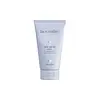
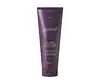
Face Reality Skincare Daily SPF 30 Plus Versus Glymed Plus Oil-Free Protective Moisturizer with SPF 30
This chemical sunscreen covers most of the UV range, lighter on the deep UVA that drives aging.
This hybrid sunscreen covers the full UV range and blocks ~97% of UVB at SPF 30.

What's inside
What's inside
 Key Ingredients
Benefits
Concerns
Ingredients Side-by-side
Homosalate 10%
Skin Conditioning

Ethylhexyl Salicylate 5%
UV Absorber
Butyl Methoxydibenzoylmethane 3%
UV Absorber
Water
Skin ConditioningButyloctyl Salicylate
Skin Conditioning
Glyceryl Stearate
Emollient

Diethylhexyl 2,6-Naphthalate
EmollientC12-15 Alkyl Benzoate
AntimicrobialDimethicone
Emollient

Glycerin
Humectant

Hamamelis Virginiana Bark/Twig Extract
AstringentNiacinamide
Smoothing









Panthenol
Skin Conditioning
Bisabolol
Antioxidant
Cetearyl Alcohol
Emollient




Tocopheryl Acetate
Antioxidant
Sodium Hyaluronate
Humectant
Potassium Azeloyl Diglycinate
Skin Conditioning
Allantoin
Skin Conditioning
Potassium Cetyl Phosphate
EmulsifyingPolymethylsilsesquioxane
Bis-Dodecylhexadecyl Dimer Dilinoleate/Propanediol Copolymer
EmollientPhenoxyethanol
Preservative
Propylheptyl Caprylate
EmollientCarbomer
Emulsion StabilisingEthylhexylglycerin
Skin ConditioningSodium Phytate
ChelatingSodium Hydroxide
BufferingHomosalate 10%, Ethylhexyl Salicylate 5%, Butyl Methoxydibenzoylmethane 3%, Water, Butyloctyl Salicylate, Glyceryl Stearate, Diethylhexyl 2,6-Naphthalate, C12-15 Alkyl Benzoate, Dimethicone, Glycerin, Hamamelis Virginiana Bark/Twig Extract, Niacinamide, Panthenol, Bisabolol, Cetearyl Alcohol, Tocopheryl Acetate, Sodium Hyaluronate, Potassium Azeloyl Diglycinate, Allantoin, Potassium Cetyl Phosphate, Polymethylsilsesquioxane, Bis-Dodecylhexadecyl Dimer Dilinoleate/Propanediol Copolymer, Phenoxyethanol, Propylheptyl Caprylate, Carbomer, Ethylhexylglycerin, Sodium Phytate, Sodium Hydroxide
Ethylhexyl Methoxycinnamate
UV Absorber
Ethylhexyl Salicylate
UV Absorber
Benzophenone-3
UV Absorber
Octocrylene
UV Absorber
Titanium Dioxide
Cosmetic Colorant
Water
Skin ConditioningCaprylic/Capric Triglyceride
Masking
Cetearyl Alcohol
Emollient
Glyceryl Stearate
Emollient
Rosmarinus Officinalis Leaf Extract
AntimicrobialCetearyl Glucoside
Emulsifying
Xanthan Gum
EmulsifyingParfum
Masking

Capryloyl Glycine
CleansingDiazolidinyl Urea
Preservative
Iodopropynyl Butylcarbamate
Preservative
Citric Acid
Buffering
Potassium Sorbate
Preservative
Ethylhexyl Methoxycinnamate, Ethylhexyl Salicylate, Benzophenone-3, Octocrylene, Titanium Dioxide, Water, Caprylic/Capric Triglyceride, Cetearyl Alcohol, Glyceryl Stearate, Rosmarinus Officinalis Leaf Extract, Cetearyl Glucoside, Xanthan Gum, Parfum, Capryloyl Glycine, Diazolidinyl Urea, Iodopropynyl Butylcarbamate, Citric Acid, Potassium Sorbate
Reviews
Ingredients Explained
These ingredients are found in both products.
Ingredients higher up in an ingredient list are typically present in a larger amount.
Cetearyl alcohol is a waxy mixture of two fatty alcohols: cetyl alcohol and stearyl alcohol. It is an emollient and emulsifier.
Despite having "alcohol" in its name, it has nothing to do with drying solvent alcohols; the FDA also allows "alcohol-free" products to contain fatty alcohols like this ingredient.
It plays several roles in a formula:
Typical use levels for this ingredient sit around 1-10% and the Cosmetic Ingredient Review Expert Panel has affirmed safety at concentrations up to 25% in leave-on products.
Multiple assessments have found it to be non-irritating and non-sensitizing to most people.
However, there have been some cases of allergic contact dermatitis in patients with chronically compromised skin barriers.
Cetearyl alcohol has a comedogenic rating of 2 and irritancy rating of 1. Both of these numbers come from the 1989 study that used rabbit ears; a "2" means mildly comedogenic and a "1" means low irritancy.
Here's the catch: rabbit skin is more sensitive than human skin and throws a lot of false positives. A 1996 reappraisal found that ingredients rated 1-2 in the rabbit ear tests are generally safe for humans.
Remember comedogenic ratings are unable to assess the entire formula of a product or how it will react on your skin. Just be sure to patch test if you are unsure about certain ingredients.
This ingredient is not fungal acne safe. Cetearyl alcohol is a fatty alcohol with chain lengths that fall within the range that Malassezia can metabolize.
A 2019 study has also observed Malassezia growth in the presence of this ingredient, confirming it to be not-fungal acne safe.
Learn more about Cetearyl AlcoholEthylhexyl Salicylate (also called Octisalate or Octyl Salicylate) is an oil-soluble organic UV filter that's been used in sunscreen since the 1950's.
It absorbs UVB light in the 280-320 nm range with a peak absorbance around 306 nm.
You'll often see it paired with other UV filters to boost overall SPF because octisalate is a fairly week filter on its own.
The reason you'll see it so often is because it can help solubilize and stabilize the trickier filters like oxybenzone and avobenzone.
Unlike these filters, octisalate has pretty good photostability and doesn't create skin-damaging free radicals when exposed to sunlight.
The fatty-alcohol part of the molecule also gives it a light, emollient feel so it doubles as a nice texture enhancer.
Usage levels vary around the world:
Safety-wise, this ingredient has a pretty reassuring track record. The EU's Scientific Committee on Consumer Products (SCCP) found very low skin penetration in human skin tests and negative results for irritation, phototoxicity, and photoallergy.
The real-world allergy risk is pretty low too; a 2012 European study of 1,031 people recorded only 2 reactions to it (a rate of 0.19%).
You might have seen scary headlines about sunscreen getting into your blood.
In 2019, the FDA found that several chemical filters can absorb through the skin and show up in the bloodstream at small but measurable levels.
Here's the important part: these tiny levels are just a cutoff the FDA uses to decide which ingredients need more testing and doesn't mean anything harmful was found.
The researchers were clear that the results are no reason to stop wearing sunscreen.
Learn more about Ethylhexyl SalicylateGlyceryl Stearate is made by reacting glycerin with stearic acid (typically sourced from plant oils like palm or coconut). It's an emulsifier, emollient, and mild occlusive.
Emulsifiers help ingredients like oil and water stay mixed so your formula stays nicely blended and uniform in texture.
This ingredient is typically used in concentrations between 1-10%. Studies have found it to be non-sensitizing, non-phototoxic, and non-photoallergenic.
A close cousin of this ingredient is Glyceryl Stearate SE ("self-emulsifying"). This just has a small amount of sodium or potassium stearate added so it can emulsify without a co-emulsifier.
Since this ingredient is an ester of a C18 fatty acid, it may not be fungal acne safe. The Malassezia yeast can potentially metabolize within the C11-C24 range.
Fun fact: The human body also creates Glyceryl Stearate naturally.
Learn more about Glyceryl StearateWater. It's the most common cosmetic ingredient of all. You'll usually see it at the top of ingredient lists, meaning that it makes up the largest part of the product.
So why is it so popular? Water most often acts as a solvent - this means that it helps dissolve other ingredients into the formulation.
You'll also recognize water as that liquid we all need to stay alive. If you see this, drink a glass of water. Remember to stay hydrated!
Learn more about Water

