

What's inside
What's inside
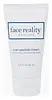 Key Ingredients
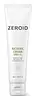
Benefits
Concerns
Ingredients Side-by-side
Water
Skin ConditioningCaprylic/Capric Triglyceride
Masking


Coco-Caprylate/Caprate
Emollient
Cetyl Alcohol
Emollient

Glycerin
Humectant
Stearyl Alcohol
Emollient
Cetearyl Olivate
Alcohol Denat.
Antimicrobial




Sorbitan Olivate
Emulsifying
Phenoxyethanol
Preservative
Xanthan Gum
EmulsifyingCaprylyl Glycol
Emollient
Tocopheryl Acetate
Antioxidant


Aloe Barbadensis Leaf Juice Powder
Skin Conditioning

Totarol
Antioxidant
Ethylhexylglycerin
Skin ConditioningEclipta Prostrata Extract
Skin Conditioning
Melia Azadirachta Leaf Extract
Skin ConditioningMethylglucoside Phosphate
Skin ConditioningCopper Lysinate/Prolinate
Skin ConditioningHydroxypropyl Cyclodextrin
MaskingMoringa Oleifera Seed Extract
Skin Conditioning
Vaccinium Macrocarpon Fruit Extract
AstringentPalmitoyl Tripeptide-38
Skin Conditioning


Maltodextrin
Absorbent
Syringa Vulgaris Leaf Cell Culture Extract
Skin ConditioningHamamelis Virginiana Extract
Antiseborrhoeic
Butylene Glycol
Humectant
Water, Caprylic/Capric Triglyceride, Coco-Caprylate/Caprate, Cetyl Alcohol, Glycerin, Stearyl Alcohol, Cetearyl Olivate, Alcohol Denat., Sorbitan Olivate, Phenoxyethanol, Xanthan Gum, Caprylyl Glycol, Tocopheryl Acetate, Aloe Barbadensis Leaf Juice Powder, Totarol, Ethylhexylglycerin, Eclipta Prostrata Extract, Melia Azadirachta Leaf Extract, Methylglucoside Phosphate, Copper Lysinate/Prolinate, Hydroxypropyl Cyclodextrin, Moringa Oleifera Seed Extract, Vaccinium Macrocarpon Fruit Extract, Palmitoyl Tripeptide-38, Maltodextrin, Syringa Vulgaris Leaf Cell Culture Extract, Hamamelis Virginiana Extract, Butylene Glycol
Water
Skin ConditioningCyclopentasiloxane
Emollient
Urea 5%
Buffering
Caprylyl Methicone
Skin Conditioning
Propanediol
Solvent
Panthenol
Skin Conditioning
Caprylic/Capric Triglyceride
Masking
Myristoyl/Palmitoyl Oxostearamide/Arachamide Mea
Skin ConditioningC30-45 Alkyl Cetearyl Dimethicone Crosspolymer
Emollient
Cocoglycerides
Emollient
Viscum Album Fruit Extract
SoothingCentella Asiatica Extract
Cleansing
Madecassoside
Antioxidant
Sodium Hyaluronate
Humectant
Cetearyl Alcohol
Emollient

Ammonium Acryloyldimethyltaurate/Vp Copolymer
Polyglyceryl-4 Caprate
EmulsifyingSorbitan Stearate
Emulsifying
Glyceryl Stearate
Emollient
Phytosterols
Skin Conditioning
Stearic Acid
Cleansing
Xanthan Gum
EmulsifyingMethyl Caprooyl Tyrosinate
Skin ProtectingBisabolol
Antioxidant
Allantoin
Skin Conditioning
Palmitoyl Pentapeptide-4
Skin Conditioning
1,2-Hexanediol
Skin Conditioning
Caprylyl Glycol
Emollient
Tropolone
Skin ConditioningWater, Cyclopentasiloxane, Urea 5%, Caprylyl Methicone, Propanediol, Panthenol, Caprylic/Capric Triglyceride, Myristoyl/Palmitoyl Oxostearamide/Arachamide Mea, C30-45 Alkyl Cetearyl Dimethicone Crosspolymer, Cocoglycerides, Viscum Album Fruit Extract, Centella Asiatica Extract, Madecassoside, Sodium Hyaluronate, Cetearyl Alcohol, Ammonium Acryloyldimethyltaurate/Vp Copolymer, Polyglyceryl-4 Caprate, Sorbitan Stearate, Glyceryl Stearate, Phytosterols, Stearic Acid, Xanthan Gum, Methyl Caprooyl Tyrosinate, Bisabolol, Allantoin, Palmitoyl Pentapeptide-4, 1,2-Hexanediol, Caprylyl Glycol, Tropolone
Reviews
Ingredients Explained
These ingredients are found in both products.
Ingredients higher up in an ingredient list are typically present in a larger amount.
Caprylic/Capric Triglyceride (aka MCT Oil) is a lightweight emollient, solvent, and texture enhancer. It is considered a skin-softener by helping to prevent moisture loss.
Though it behaves like an oil, it is not technically one due to its chemical composition. One perk of this ingredient is that it is very stable, resistant to oxidation, and unlikely to go rancid.
In practice, that translates to a long shelf life and a consistently elegant skin feel.
While there is an assumption Caprylic Triglyceride can clog pores due to it being derived from coconut oil, there is no research supporting this. Just patch test if you have concerns.
Fractionated coconut oil and MCT Oil are both listed as Caprylic/Capric Triglyceride according to INCI. This is because INCI names are based on the ingredient’s final chemical composition and not its marketing name or source.
This ingredient is treated as the gold standard fungal acne safe oil. Even though it is coconut derived, the problematic lauric acid is stripped out.
This leaves just caprylic (C8) and capric (C10) acid. These chain lengths actually trend antifungal; a 2020 study found caprylic acid was enough to disrupt Malassezia furfur cell membrane, with a caprylic acid derivative damaging membrane structures at concentrations as low as 0.2%.
Learn more about Caprylic/Capric TriglycerideCaprylyl Glycol is a humectant, skin conditioner, emollient, and preservative booster derived from either caprylic acid or synthetically created.
Typical use levels vary from 0.3-1% as a preservative booster and go up to 2% to condition skin.
Because it is not a free-fatty acid, this ingredient is fungal acne safe (there's nothing for Malassezia to feed on).
Learn more about Caprylyl GlycolWater. It's the most common cosmetic ingredient of all. You'll usually see it at the top of ingredient lists, meaning that it makes up the largest part of the product.
So why is it so popular? Water most often acts as a solvent - this means that it helps dissolve other ingredients into the formulation.
You'll also recognize water as that liquid we all need to stay alive. If you see this, drink a glass of water. Remember to stay hydrated!
Learn more about WaterXanthan gum is used as a stabilizer and thickener within cosmetic products. It helps give products a sticky, thick feeling - preventing them from being too runny.
On the technical side of things, xanthan gum is a polysaccharide - a combination consisting of multiple sugar molecules bonded together.
Xanthan gum is a pretty common and great ingredient. It is a natural, non-toxic, non-irritating ingredient that is also commonly used in food products.
Learn more about Xanthan Gum

