

What's inside
What's inside
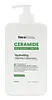 Key Ingredients
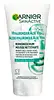
Benefits
Concerns
Ingredients Side-by-side
Water
Skin ConditioningSodium Lauroyl Sarcosinate
CleansingCocamidopropyl Betaine
Cleansing


Sodium Lauroamphoacetate
CleansingSodium Hyaluronate
Humectant




Ceramide EOP
Skin Conditioning

Ceramide As
Skin Conditioning
Ceramide AP
Skin Conditioning
Sodium Lauroyl Oat Amino Acids
CleansingCeramide NP
Skin Conditioning
Ceramide Ns
Skin Conditioning
Sodium Chloride
MaskingDecyl Glucoside
Cleansing
Glycerin
Humectant
Propylene Glycol Laurate
Skin ConditioningPEG-120 Methyl Glucose Dioleate
Emulsifying
Citric Acid
Buffering

Glycosyl Trehalose
Emulsion StabilisingPhenoxyethanol
Preservative
Hydrogenated Lecithin
Emulsifying
Hydroxyacetophenone
Antioxidant
Hydrogenated Starch Hydrolysate
HumectantPolyglyceryl-10 Stearate
Skin Conditioning
Chlorphenesin
Antimicrobial
PEG-40 Hydrogenated Castor Oil
Emulsifying
Ethylhexylglycerin
Skin ConditioningTocopheryl Acetate
Antioxidant
Tetrasodium EDTA
Water, Sodium Lauroyl Sarcosinate, Cocamidopropyl Betaine, Sodium Lauroamphoacetate, Sodium Hyaluronate, Ceramide EOP, Ceramide As, Ceramide AP, Sodium Lauroyl Oat Amino Acids, Ceramide NP, Ceramide Ns, Sodium Chloride, Decyl Glucoside, Glycerin, Propylene Glycol Laurate, PEG-120 Methyl Glucose Dioleate, Citric Acid, Glycosyl Trehalose, Phenoxyethanol, Hydrogenated Lecithin, Hydroxyacetophenone, Hydrogenated Starch Hydrolysate, Polyglyceryl-10 Stearate, Chlorphenesin, PEG-40 Hydrogenated Castor Oil, Ethylhexylglycerin, Tocopheryl Acetate, Tetrasodium EDTA
Water
Skin ConditioningSorbitol
Humectant
Lauric Acid
Cleansing

Stearic Acid
Cleansing
Myristic Acid
Cleansing
Potassium Hydroxide
BufferingGlycol Distearate
Emollient
Palmitic Acid
Emollient
Kaolin
Abrasive



Sodium Cocoamphoacetate
CleansingCoco-Betaine
Cleansing
Parfum
Masking

Aloe Barbadensis Leaf Juice Powder
Skin Conditioning
Sodium Chloride
MaskingSodium Hyaluronate
Humectant
Ascorbyl Glucoside
Antioxidant
Disodium EDTA
Hydroxypropyl Methylcellulose
Emulsion StabilisingPolyquaternium-7
Sodium Benzoate
Masking
Phenoxyethanol
Preservative
Water, Sorbitol, Lauric Acid, Stearic Acid, Myristic Acid, Potassium Hydroxide, Glycol Distearate, Palmitic Acid, Kaolin, Sodium Cocoamphoacetate, Coco-Betaine, Parfum, Aloe Barbadensis Leaf Juice Powder, Sodium Chloride, Sodium Hyaluronate, Ascorbyl Glucoside, Disodium EDTA, Hydroxypropyl Methylcellulose, Polyquaternium-7, Sodium Benzoate, Phenoxyethanol
Reviews
Ingredients Explained
These ingredients are found in both products.
Ingredients higher up in an ingredient list are typically present in a larger amount.
Phenoxyethanol is a preservative that has germicide, antimicrobial, and aromatic properties. Studies show that phenoxyethanol can prevent microbial growth. By itself, it has a scent that is similar to that of a rose.
It's often used in formulations along with Caprylyl Glycol to preserve the shelf life of products.
Chances are, you eat sodium chloride every day. Sodium Chloride is also known as table salt. This ingredient has many purposes in skincare: thickener, emulsifier, and exfoliator.
You'll most likely find this ingredient in cleansers where it is used to create a gel-like texture. As an emulsifier, it also prevents ingredients from separating.
You might see people debate whether Sodium Chloride is comedogenic, but there actually haven't been any comedogenic tests done on it. Either way, the overall formulation of a product matters a lot more than any single ingredient.
You might see this ingredient used in scrubs as a primary exfoliating ingredient.
Learn more about Sodium ChlorideSodium Hyaluronate is the salt form of hyaluronic acid. It is a long sugar chain that is naturally found in your skin, joints, and connective tissue that maintains hydration and elasticity.
In skincare, it works as a humectant. It pulls water from the environment and deeper layers of skin and binds it to the surface.
Interestingly, the size of the molecule affects its behavior:
Some clinical evidence links low molecular weight versions to improved wrinkle depth, elasticity, anti-inflammatory effects, and barrier repair.
Many serums use a blend of both weights so you can get surface hydration plus longer-lasting and deeper effects.
You'll typically see concentrations between 0.1-2% for this ingredient.
Learn more about Sodium HyaluronateWater. It's the most common cosmetic ingredient of all. You'll usually see it at the top of ingredient lists, meaning that it makes up the largest part of the product.
So why is it so popular? Water most often acts as a solvent - this means that it helps dissolve other ingredients into the formulation.
You'll also recognize water as that liquid we all need to stay alive. If you see this, drink a glass of water. Remember to stay hydrated!
Learn more about Water
