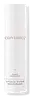
This smoothing moisturizer is formulated around Glycolic Acid and Arginine to refine skin texture and soften the look of wrinkles.
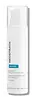
This calming serum is formulated around Gluconolactone and Lactobionic Acid to calm redness and refine skin texture.

What's inside
What's inside
 Key Ingredients
Benefits
Concerns
Ingredients Side-by-side
Water
Skin ConditioningGlycolic Acid
Buffering











Butylene Glycol
Humectant

Cetyl Alcohol
Emollient


Ammonium Hydroxide
BufferingArginine
Masking
Octyldodecyl Neopentanoate
EmollientGlyceryl Stearate
Emollient
Glycerin
Humectant
PEG-100 Stearate
Surfactant
Acetyl Hydroxyproline
EmollientMagnesium Aluminum Silicate
Absorbent
Dimethicone
Emollient
Tocopheryl Acetate
Antioxidant

Chamomilla Recutita Flower Extract
Masking

Aloe Barbadensis Leaf Extract
Emollient
Rosa Centifolia Flower Extract
Astringent
Sambucus Nigra Flower Extract
RefreshingCalendula Officinalis Flower Extract
Masking
Sorbitan Stearate
Emulsifying
PEG-40 Stearate
Emulsifying
Propylene Glycol
Humectant
Ethylhexyl Hydroxystearate
Emollient
Xanthan Gum
EmulsifyingPEG-75 Stearate
Surfactant
Disodium EDTA
ChelatingCeteth-20
CleansingSteareth-20
CleansingPolysorbate 20
Emulsifying
Caprylyl Glycol
Emollient
Phenoxyethanol
Preservative
Chlorphenesin
Antimicrobial
Water, Glycolic Acid, Butylene Glycol, Cetyl Alcohol, Ammonium Hydroxide, Arginine, Octyldodecyl Neopentanoate, Glyceryl Stearate, Glycerin, PEG-100 Stearate, Acetyl Hydroxyproline, Magnesium Aluminum Silicate, Dimethicone, Tocopheryl Acetate, Chamomilla Recutita Flower Extract, Aloe Barbadensis Leaf Extract, Rosa Centifolia Flower Extract, Sambucus Nigra Flower Extract, Calendula Officinalis Flower Extract, Sorbitan Stearate, PEG-40 Stearate, Propylene Glycol, Ethylhexyl Hydroxystearate, Xanthan Gum, PEG-75 Stearate, Disodium EDTA, Ceteth-20, Steareth-20, Polysorbate 20, Caprylyl Glycol, Phenoxyethanol, Chlorphenesin
Water
Skin ConditioningButylene Glycol
Humectant
Gluconolactone
Chelating
Isocetyl Stearate
Emollient

Hydrogenated Polydecene
EmollientArginine
Masking
Glyceryl Stearate
Emollient
Cetearyl Alcohol
Emollient
PEG-100 Stearate
Surfactant
Lactobionic Acid
Buffering
Dimethicone
Emollient
Magnesium Aluminum Silicate
Absorbent
Aesculus Hippocastanum Seed Extract
Skin ConditioningAscophyllum Nodosum Extract
Skin Conditioning
Tocopheryl Acetate
Antioxidant
Palmitoyl Tripeptide-8
Skin Conditioning
Asparagopsis Armata Extract
Skin Protecting
Camellia Sinensis Leaf Extract
Antimicrobial
Epilobium Angustifolium Flower/Leaf/Stem Extract
Skin ConditioningAmmonium Glycyrrhizate
MaskingCaffeine
Skin Conditioning
Bisabolol
Antioxidant
Zinc Gluconate
Skin Conditioning
Sorbitol
Humectant
Mannitol
Humectant
Ammonium Hydroxide
BufferingPropylene Glycol
Humectant
Dextran
Disodium EDTA
ChelatingXanthan Gum
EmulsifyingCaprylyl Glycol
Emollient
Isopropyl Titanium Triisostearate
Emollient
Phenoxyethanol
Preservative
Chlorphenesin
Antimicrobial
CI 77288
Cosmetic ColorantWater, Butylene Glycol, Gluconolactone, Isocetyl Stearate, Hydrogenated Polydecene, Arginine, Glyceryl Stearate, Cetearyl Alcohol, PEG-100 Stearate, Lactobionic Acid, Dimethicone, Magnesium Aluminum Silicate, Aesculus Hippocastanum Seed Extract, Ascophyllum Nodosum Extract, Tocopheryl Acetate, Palmitoyl Tripeptide-8, Asparagopsis Armata Extract, Camellia Sinensis Leaf Extract, Epilobium Angustifolium Flower/Leaf/Stem Extract, Ammonium Glycyrrhizate, Caffeine, Bisabolol, Zinc Gluconate, Sorbitol, Mannitol, Ammonium Hydroxide, Propylene Glycol, Dextran, Disodium EDTA, Xanthan Gum, Caprylyl Glycol, Isopropyl Titanium Triisostearate, Phenoxyethanol, Chlorphenesin, CI 77288
Ingredients Explained
These ingredients are found in both products.
Ingredients higher up in an ingredient list are typically present in a larger amount.
We don't have a description for Ammonium Hydroxide yet.
Arginine is a semi-essential amino acid. This just means our bodies can product a bit on its own, but sometimes needs a little boost from food sources.
It is a part of your skin's natural moisturizing factor (NMF), or the water-loving molecules in your outermost layer of skin (stratum corneum) that keeps everything hydrated and happy.
Here's an interesting thing about Arginine: your skin converts it into urea through the Krebs-Henseleit urea cycle. Urea is one of the most effective humectants your skin naturally produces.
A clinical study showed applying 2.5% arginine hydrochloride to atopic dermatitis skin showed significant urea levels in the stratum corneum and improved moisture in just four weeks.
Arginine is also a precursor to nitric oxide; nitric oxide improves microcirculation and supports wound healing and collagen synthesis.
One study found that an amino acid complex containing Arginine reduced skin irritation, improved hydration, and accelerated skin repair in clinical / in-vivo studies.
Arginine itself is an amino acid and not a fatty acid, oil, or ester. On its own, it's not a direct food source for Malassezia, or the yeast that causes fungal acne.
Learn more about ArginineButylene Glycol (or BG) is used within cosmetic products for a few different reasons:
Overall, Butylene Glycol is a safe and well-rounded ingredient that works well with other ingredients.
Though this ingredient works well with most skin types, some people with sensitive skin may experience a reaction such as allergic rashes, closed comedones, or itchiness.
Learn more about Butylene GlycolCaprylyl Glycol is a humectant, skin conditioner, emollient, and preservative booster derived from either caprylic acid or synthetically created.
Typical use levels vary from 0.3-1% as a preservative booster and go up to 2% to condition skin.
Because it is not a free-fatty acid, this ingredient is fungal acne safe (there's nothing for Malassezia to feed on).
Learn more about Caprylyl GlycolChlorphenesin is a synthetic preservative. It helps protect a product against bacteria in order to extend shelf life. In most cases, Chlorphenesin is paired with other preservatives such as phenoxyethanol and caprylyl glycol.
Chlorphenesin is a biocide. This means it is able to help fight the microorganisms on our skin. It is also able to fight odor-releasing bacteria.
Chlorphenesin is soluble in both water and glycerin.
Studies show Chlorphenesin is easily absorbed by our skin. You should speak with a skincare professional if you have concerns about using Chlorphenesin.
Learn more about ChlorphenesinDimethicone is a type of synthetic silicone created from natural materials such as quartz. It is also known as polydimethylsiloxane.
What it does:
Dimethicone comes in different viscosities:
Depending on the viscosity, dimethicone has different properties.
Ingredients lists don't always show which type is used, so we recommend reaching out to the brand if you have questions about the viscosity.
This ingredient is unlikely to cause irritation because it does not get absorbed into skin. However, people with silicone allergies should be careful about using this ingredient.
Note: Dimethicone may contribute to pilling. This is because it is not oil or water soluble, so pilling may occur when layered with products. When mixed with heavy oils in a formula, the outcome is also quite greasy.
Learn more about DimethiconeDisodium EDTA is a chelating agent. It grabs onto and deactivates metal ions that sneak into your products from water, packaging, or air.
This ingredient mainly works behind the scenes and helps with:
On top of that, this ingredient can counteract the effects of hard water by binding to the minerals in it.
One thing worth knowing is that Disodium EDTA has been shown to be a mild penetration enhancer. It can help other ingredients absorb into skin more effectively which can be a double-edged sword (great for actives, but can also make the active too strong if you have sensitive skin).
Clinical patch testing showed no significant skin irritation at typical use concentrations and minimal dermal absorption.
You'll most likely see this ingredient near the end of an ingredient list. It's typically found in concentrations less than 1%.
Learn more about Disodium EDTAGlyceryl Stearate is made by reacting glycerin with stearic acid (typically sourced from plant oils like palm or coconut). It's an emulsifier, emollient, and mild occlusive.
Emulsifiers help ingredients like oil and water stay mixed so your formula stays nicely blended and uniform in texture.
This ingredient is typically used in concentrations between 1-10%. Studies have found it to be non-sensitizing, non-phototoxic, and non-photoallergenic.
A close cousin of this ingredient is Glyceryl Stearate SE ("self-emulsifying"). This just has a small amount of sodium or potassium stearate added so it can emulsify without a co-emulsifier.
Since this ingredient is an ester of a C18 fatty acid, it may not be fungal acne safe. The Malassezia yeast can potentially metabolize within the C11-C24 range.
Fun fact: The human body also creates Glyceryl Stearate naturally.
Learn more about Glyceryl StearateMagnesium Aluminum Silicate is a type of silica. It comes from naturally occuring minerals such as silicate ores and clay.
Magnesium aluminum silicate is used for enhancing texture and as an absorbent. Due to its large molecular size, it is unable to be absorbed into the skin.
Like other types of silica, this ingredient can be used to thicken a product. As an absorbent, it may be used to absorb extra water or help prevent clumping.
Although “aluminum” in an ingredient name can raise red flags for some consumers, the form and usage context matter significantly. For typical topical applications, there is no substantial evidence of health risks - such as cancer, neurotoxicity, or systemic “aluminum overload.”
Learn more about Magnesium Aluminum SilicatePeg-100 Stearate is an emollient and emulsifier. As an emollient, it helps keep skin soft by trapping moisture in. On the other hand, emulsifiers help prevent oil and water from separating in a product.
PEGS are a hydrophilic polyether compound . There are 100 ethylene oxide monomers in Peg-100 Stearate. Peg-100 Stearate is polyethylene glycol ester of stearic acid.
Phenoxyethanol is one of the most widely used preservatives in skincare (and for good reason!).
It has a large spectrum of antimicrobial activity and especially effective bacteria, yeast, and mold while only having a weak effect on your skin's natural microbiome.
On a cellular level, it disrupts the cell membranes of microbes by poking holes that make the cell leak. This shuts down the chemical reactions the microbe needs to make energy so it can no longer survive.
Another perk of this ingredient is that it stays functional across a wide pH range (3-10).
You'll often see it paired with boosters like Ethylhexylglycerin; one study showed that a 1:9 ratio of Ethylhexylglycerin to Phenoxyethanol damages bacterial membranes as effectively as doubling the Phenoxyethanol concentration on its own.
Typical use concentrations range from 0.3-1% depending on the formula, and this ingredient is capped at 1% int the EU.
Safety-wise, the fear mongering does not hold up to the evidence. The EU's Scientific Committee on Consumer Safety and FDA consider it safe as a preservative at up to 1%, including for children of all ages.
Adverse systemic effects only showed up in animal studies at exposures roughly 200x higher than what people get from cosmetics. And despite its very widespread use, this ingredient is a rare sensitizer and allergic reactions are uncommon.
Learn more about PhenoxyethanolPropylene Glycol is a synthetic, colorless, odorless liquid that has been a staple in cosmetics for decades. It is a skin conditioning agent, humectant, and solvent.
As a humectant, it draw water to the skin to reduce flaking and restore suppleness. It's also a solvent that helps dissolve other actives and keeps formulas stable across temperature changes.
The CIR Expert Panel has confirmed this ingredient to be nontoxic and clinical studies show no sensitization at cosmetic use concentrations.
True allergic reactions are quite rare: a 15-year retrospective study of 6,751 patients found only 0.31% had a positive reaction (and less than half were considered clinically relevant).
It seemed that when sensitization does occur, it's most commonly linked to topical medication (like corticosteroids) and not cosmetics. Allergic contact dermatitis also appears largely limited to individuals with underlying skin conditions.
Overall, propylene glycol is a well-studied ingredient that most people can tolerate without issue.
Learn more about Propylene GlycolTocopheryl Acetate is a stable, shelf-friendly form of vitamin E.
Formulators love it because plain vitamin E oxidizes quickly once it hits air. This acetate version stays stable and resists going off, helping to extend a product's shelf life.
It's actually inactive on its own and works like a slow-release "storage" form; the enzymes in your skin called esterases gradually convert it into active vitamin E over time.
One in vivo study showed 5% of the acetate in the living layer of the epidermis converted to vitamin E after 5 days of application. This study also found the skin gained protection against UV damage even though the conversion was slow and small.
Once converted, vitamin E acts as a skin's main fat-soluble antioxidant that fights free radicals to protect skin from damage.
Topical vitamin E generally boosts the skin's photoprotection, and it reduced UV-damage in animal models.
This ingredient has some brightening potential but it's more of a prevention ingredient than spot-fader. Cell studies show it can slow down melanin production but it's worth noting that it's not the most powerful brightener out there.
Overall, it has a pretty solid safety profile and has been found to be non-irritating and non-comedogenic. Allergic reactions may happen but stay rare due to how widely the ingredient gets used.
The concentration will vary depending on the formula; industry data shows 0.1% in baby lotions, 3% in lipsticks, and 5% in foot powders. You can also find this ingredient at 100% in a pure vitamin E oil.
Most leave-on skincare keeps it at the lower end, often between 0.5-1%.
Learn more about Tocopheryl AcetateWater. It's the most common cosmetic ingredient of all. You'll usually see it at the top of ingredient lists, meaning that it makes up the largest part of the product.
So why is it so popular? Water most often acts as a solvent - this means that it helps dissolve other ingredients into the formulation.
You'll also recognize water as that liquid we all need to stay alive. If you see this, drink a glass of water. Remember to stay hydrated!
Learn more about WaterXanthan gum is used as a stabilizer and thickener within cosmetic products. It helps give products a sticky, thick feeling - preventing them from being too runny.
On the technical side of things, xanthan gum is a polysaccharide - a combination consisting of multiple sugar molecules bonded together.
Xanthan gum is a pretty common and great ingredient. It is a natural, non-toxic, non-irritating ingredient that is also commonly used in food products.
Learn more about Xanthan Gum

