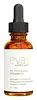
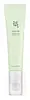
Eva Naturals Skin Clearing Serum Vitamin C+ Versus Beauty of Joseon Light On Serum : Centella + Vita C
This acne serum is formulated around Sodium Ascorbyl Phosphate and Niacinamide to clear breakouts and refine the look of pores.
This brightening serum is formulated around Centella Asiatica Extract and 3-O-Ethyl Ascorbic Acid to brighten dull-looking skin and calm redness.


What's inside
What's inside
 Key Ingredients
Benefits
Concerns
Ingredients Side-by-side
Herbal Infusion
Aloe Barbadensis Leaf
Masking


Sodium Ascorbyl Phosphate
Antioxidant






Dimethyl Sulfone
SolventCassia Angustifolia Seed Polysaccharide
Skin ConditioningNiacinamide
Smoothing




Retinol
Skin Conditioning


Olea Europaea Fruit Oil
Masking




Squalene
Emollient
Capryloyl Salicylic Acid
Exfoliating
Rosa Canina Fruit Oil
Emollient
Carbomer
Emulsion StabilisingArginine
Masking
Melaleuca Alternifolia Leaf Oil
Antioxidant
Lavandula Angustifolia Oil
Masking
Cananga Odorata Flower Oil
Masking
Phenoxyethanol
Preservative
Ethylhexylglycerin
Skin ConditioningHerbal Infusion, Aloe Barbadensis Leaf, Sodium Ascorbyl Phosphate, Dimethyl Sulfone, Cassia Angustifolia Seed Polysaccharide, Niacinamide, Retinol, Olea Europaea Fruit Oil, Squalene, Capryloyl Salicylic Acid, Rosa Canina Fruit Oil, Carbomer, Arginine, Melaleuca Alternifolia Leaf Oil, Lavandula Angustifolia Oil, Cananga Odorata Flower Oil, Phenoxyethanol, Ethylhexylglycerin
Centella Asiatica Extract
Cleansing
3-O-Ethyl Ascorbic Acid
Skin Conditioning
Glycerin
Humectant
Propanediol
Solvent
Betaine
Humectant
Dicaprylyl Carbonate
EmollientMethyl Trimethicone
Skin Conditioning
Cetyl Ethylhexanoate
EmollientPanthenol
Skin Conditioning
Laminaria Japonica Extract
Skin Protecting
Eclipta Prostrata Leaf Extract
Skin ConditioningPhellodendron Amurense Bark Extract
Skin ConditioningCitrus Unshiu Peel Extract
MaskingBrassica Oleracea Acephala Leaf Extract
HumectantHydrolyzed Gardenia Florida Extract
Antioxidant
Hydrogenated Lecithin
Emulsifying
Cetearyl Alcohol
Emollient


Water
Skin ConditioningDimethicone/Vinyl Dimethicone Crosspolymer
Skin Conditioning
Silica
Abrasive
Bisabolol
Antioxidant
Potassium Cetyl Phosphate
EmulsifyingHydrolyzed Jojoba Esters
Skin Conditioning
Cetearyl Olivate
Sorbitan Olivate
Emulsifying
Hydroxyethyl Acrylate/Sodium Acryloyldimethyl Taurate Copolymer
Emulsion StabilisingAmmonium Acryloyldimethyltaurate/Beheneth-25 Methacrylate Crosspolymer
Emulsion StabilisingXanthan Gum
EmulsifyingPolyglyceryl-10 Myristate
Skin Conditioning
Adenosine
Skin Conditioning
Fructooligosaccharides
Humectant
Beta-Glucan
Skin Conditioning
Butylene Glycol
Humectant
Sorbitan Isostearate
Emulsifying
Hydrolyzed Hyaluronic Acid
Humectant
Maltodextrin
Absorbent
Arginine
Masking
Carbomer
Emulsion StabilisingAscorbic Acid Polypeptide
Antioxidant
1,2-Hexanediol
Skin Conditioning
Hydroxyacetophenone
Antioxidant
Ethylhexylglycerin
Skin ConditioningCentella Asiatica Extract, 3-O-Ethyl Ascorbic Acid, Glycerin, Propanediol, Betaine, Dicaprylyl Carbonate, Methyl Trimethicone, Cetyl Ethylhexanoate, Panthenol, Laminaria Japonica Extract, Eclipta Prostrata Leaf Extract, Phellodendron Amurense Bark Extract, Citrus Unshiu Peel Extract, Brassica Oleracea Acephala Leaf Extract, Hydrolyzed Gardenia Florida Extract, Hydrogenated Lecithin, Cetearyl Alcohol, Water, Dimethicone/Vinyl Dimethicone Crosspolymer, Silica, Bisabolol, Potassium Cetyl Phosphate, Hydrolyzed Jojoba Esters, Cetearyl Olivate, Sorbitan Olivate, Hydroxyethyl Acrylate/Sodium Acryloyldimethyl Taurate Copolymer, Ammonium Acryloyldimethyltaurate/Beheneth-25 Methacrylate Crosspolymer, Xanthan Gum, Polyglyceryl-10 Myristate, Adenosine, Fructooligosaccharides, Beta-Glucan, Butylene Glycol, Sorbitan Isostearate, Hydrolyzed Hyaluronic Acid, Maltodextrin, Arginine, Carbomer, Ascorbic Acid Polypeptide, 1,2-Hexanediol, Hydroxyacetophenone, Ethylhexylglycerin
Reviews
Ingredients Explained
These ingredients are found in both products.
Ingredients higher up in an ingredient list are typically present in a larger amount.
Arginine is a semi-essential amino acid. This just means our bodies can product a bit on its own, but sometimes needs a little boost from food sources.
It is a part of your skin's natural moisturizing factor (NMF), or the water-loving molecules in your outermost layer of skin (stratum corneum) that keeps everything hydrated and happy.
Here's an interesting thing about Arginine: your skin converts it into urea through the Krebs-Henseleit urea cycle. Urea is one of the most effective humectants your skin naturally produces.
A clinical study showed applying 2.5% arginine hydrochloride to atopic dermatitis skin showed significant urea levels in the stratum corneum and improved moisture in just four weeks.
Arginine is also a precursor to nitric oxide; nitric oxide improves microcirculation and supports wound healing and collagen synthesis.
One study found that an amino acid complex containing Arginine reduced skin irritation, improved hydration, and accelerated skin repair in clinical / in-vivo studies.
Arginine itself is an amino acid and not a fatty acid, oil, or ester. On its own, it's not a direct food source for Malassezia, or the yeast that causes fungal acne.
Learn more about ArginineCarbomer is a synthetic thickening and gelling agent. It's basically the ingredient that gives a lot of serums, gels, creams, and sunscreens their smooth, non-sticky texture.
Although legally permitted at very high levels, carbomers are normally used at concentrations below 1%.
It also needs to be neutralized to actually thicken, and because it is a large molecule, it doesn't really penetrate the skin barrier.
Allergy-wise, the risk is very low. Clinical studies show carbomers have low potential for skin irritation/sensitization even at concentrations up to 100%.
A 2024 UK study patch-tested 1,302 patients and found true allergy to the parent group of carbomer to be rare with no confirmed relevant reactions.
Learn more about CarbomerEthylhexylglycerin is created from glycerin. It is a multitasker ingredient that:
The CIR Expert Panel found minimal skin absorption or sensitization of any kind in a safety assessment. Though this ingredient is considered well-tolerated, a small number of cases of allergic dermatitis have been published since 2002. Just be sure to patch test if you are unsure.
Industry-reported use ranges from 8% in rinse-off products and 2% in leave-on formulations.
Learn more about Ethylhexylglycerin

